15 days off for new dads: Tamil Nadu CM sanctions paternity leave for government employees
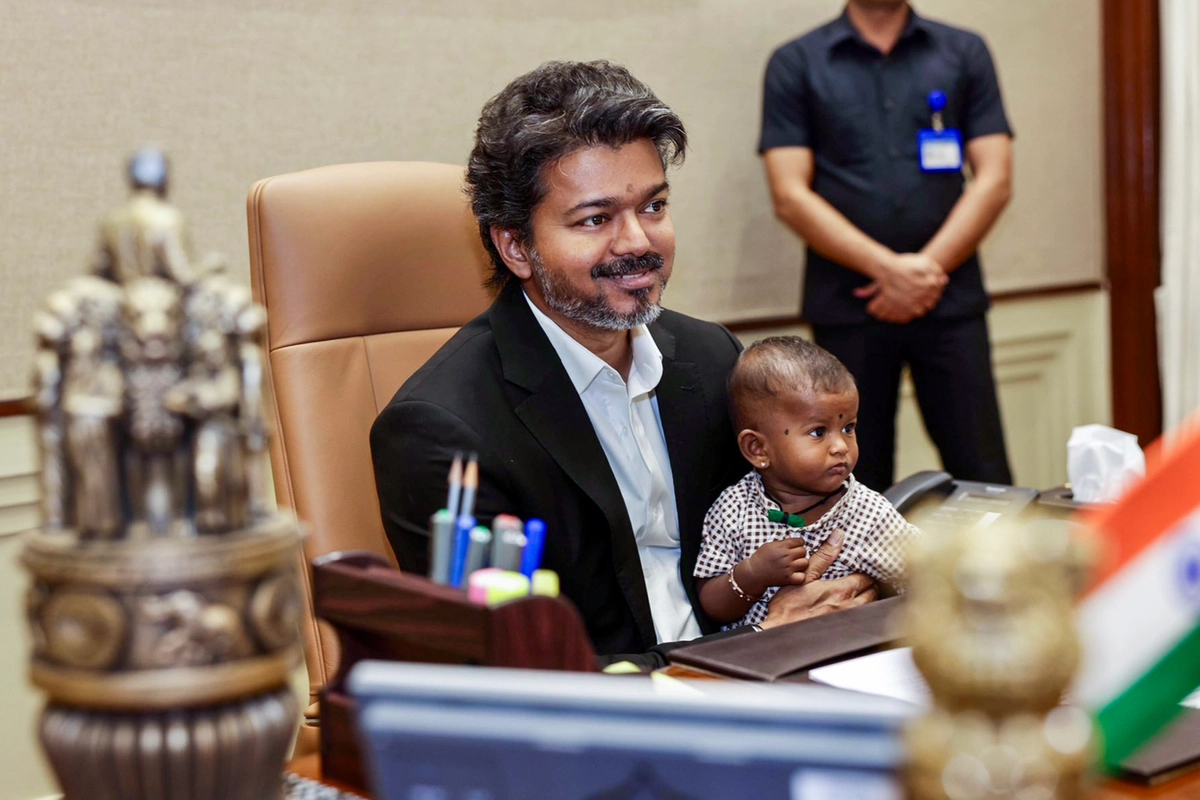
Chennai: Tamil Nadu Chief Minister C Joseph Vijay on Thursday announced 15 days of paternity leave for male state government employees, introducing a new provision to enable fathers to participate in childcare following the birth of a child.
Under the new policy, married male government employees will be entitled to 15 days of paternity leave. They can avail themselves of the leave either 15 days before the expected date of childbirth or within six months after the baby's birth, according to an official government release.
The chief minister has directed officials to implement the new leave facility.
Explaining the decision, the government said caring for a child was an important responsibility for fathers as well and that men should also have an opportunity to support their families during the initial stages of parenthood.
The announcement follows representations from government employees seeking the introduction of paternity leave. The government said the requests were considered favourably before the decision was taken.
Women government employees in Tamil Nadu are already entitled to 365 days of maternity leave.
With the latest announcement, the state has introduced a formal paternity leave provision for its male government workforce. The move is aimed at providing fathers with time to support mothers and participate in childcare around childbirth.
What the new paternity leave policy means
The announcement brings greater attention to the role of fathers in early childcare and the distribution of parenting responsibilities.
Maternity leave primarily provides women employees time to recover from childbirth and care for newborns. Paternity leave, meanwhile, allows fathers to support mothers, participate in infant care and share early parenting responsibilities.
Tamil Nadu's decision also brings the issue of parental leave into discussions around workplace welfare and gender equality. Providing leave to fathers can help recognise childcare as a shared responsibility rather than one that falls exclusively on women.
However, the new entitlement applies to male state government employees. It does not automatically extend to private-sector employees or workers employed by the Central government.
The implementation of the provision and the number of employees who eventually benefit from it will determine its reach.