Vande Mataram row: Supreme Court questions criminal action against those refusing to sing all stanzas
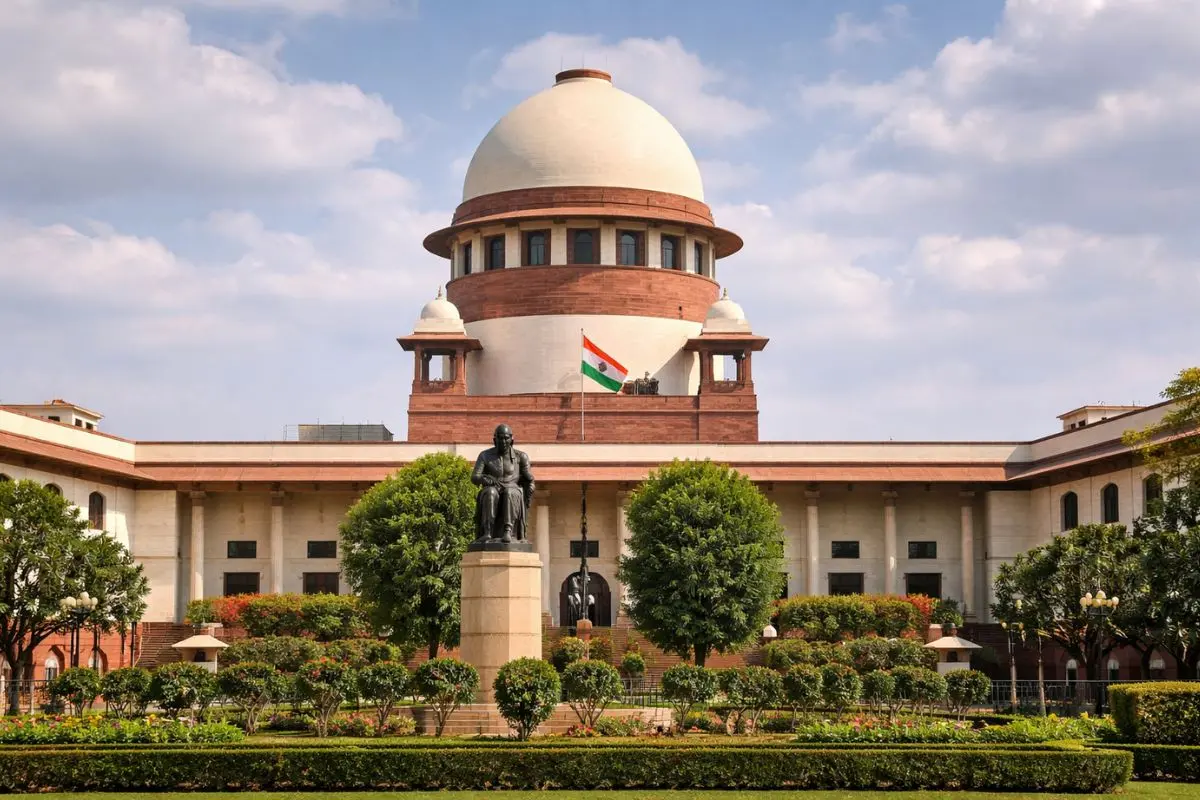
The Supreme Court has sought the Centre’s response to a plea challenging the requirement to sing all six stanzas of Vande Mataram at public gatherings, while indicating that people who conscientiously object to singing the national song should not face criminal prosecution merely for refusing to recite it.
A bench headed by Chief Justice of India Surya Kant, along with Justices Joymalya Bagchi and V Mohana, on Tuesday directed Solicitor General Tushar Mehta, appearing for the Centre, to file its response within two weeks.
The plea was filed by singer TM Krishna, challenging the mandate and the penal consequences linked to non-compliance.
Supreme Court refers to Bijoe Emmanuel judgment
During the hearing, Justice Joymalya Bagchi referred to the Supreme Court’s landmark Bijoe Emmanuel judgment, which dealt with the rights of conscientious objectors in connection with the National Anthem.
The judge said the law declared by the Supreme Court in that case would govern the application of the statute concerning Vande Mataram.
The bench also indicated that a person who, on grounds of conscience, refuses to sing one or all of the stanzas of Vande Mataram should not be subjected to criminal prosecution solely for that reason.
The observation came as the court examined the implications of the amended law and the circumstances in which refusal to sing the national song could attract penal consequences.
TM Krishna plea challenges six-stanza requirement
Senior Advocate S Muralidhar, representing Krishna, argued that because the amended law carries penal consequences, it must clearly define the conduct that can result in criminal prosecution.
The plea specifically challenges the requirement that all six stanzas of Vande Mataram be sung at public gatherings and questions the consequences attached to refusing to comply.
The Centre has now been given two weeks to respond. The Supreme Court will consider the matter further after receiving the government’s response.
With ANI inputs