'Capable of misuse': SC stays UGC’s new guidelines to address caste-based discrimination
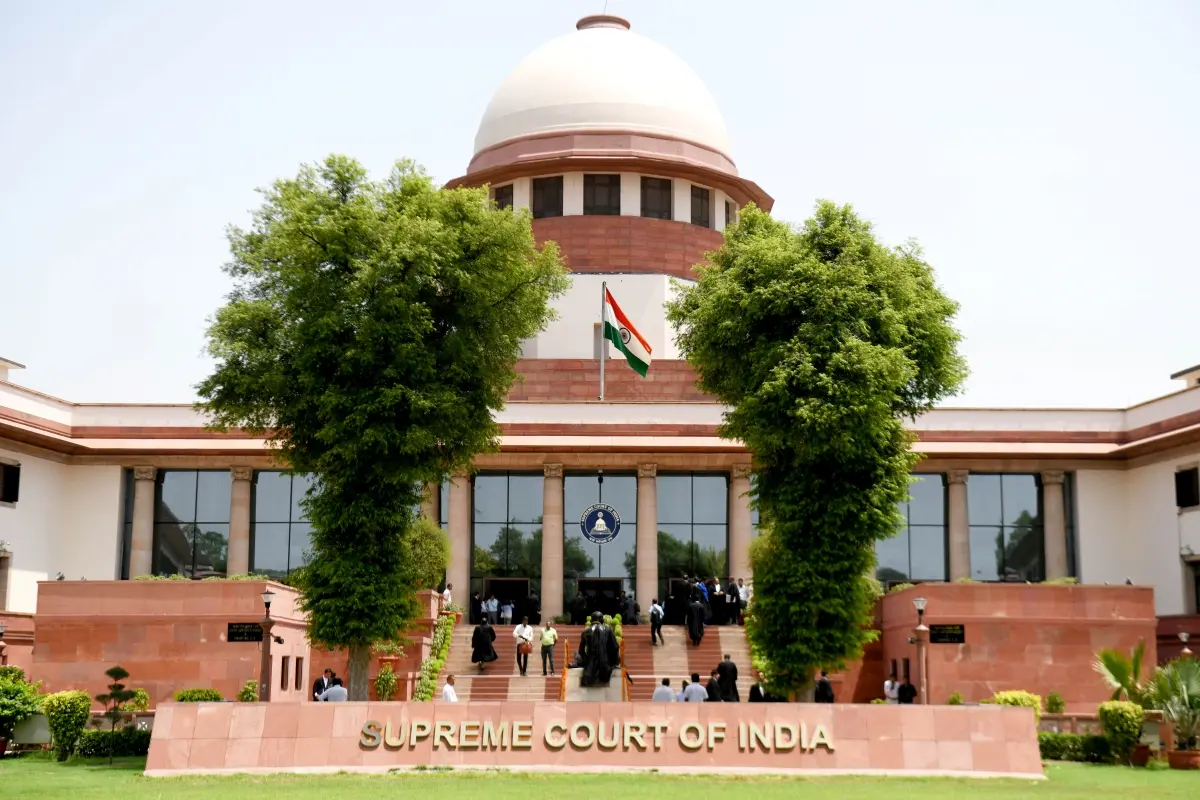
New Delhi: The Supreme Court on Thursday stayed the University Grants Commission’s (Promotion of Equity in Higher Education Institutions) Regulations, 2026, observing that the new framework raised serious questions over arbitrariness and potential discrimination.
The apex court issued notices to the Centre and the UGC on the pleas challenging the regulation.
The new regulations mandating all higher education institutions to form "equity committees" to look into discrimination complaints and promote equity were notified on January 13. It mandated that these committees must include members of the Other Backwards Classes (OBC), the Scheduled Castes (SC), the Scheduled Tribes (ST), persons with disabilities, and women.
Also read | ‘I was held hostage at the DM's residence’: Bareilly Magistrate Agnihotri resigns amid UGC row
A bench comprising CJI Surya Kant and Justice Joymalya Bagchi stated that the UGC regulations must be revisited by a committee comprising eminent jurists. The Court observed during the hearing that the regulations were prima facie “vague” and “capable of misuse”.
The regulations were challenged by multiple petitioners who argued that they were exclusionary, discriminatory and violative of the Constitution as well as the University Grants Commission Act, 1956.
The UGC had earlier notified the University Grants Commission (Promotion of Equity in Higher Education Institutions) Regulations, 2026 on January 13, replacing its 2012 anti-discrimination framework. The new rules seek to address discrimination, including caste-based bias, in higher education institutions by making equity provisions enforceable governance norms.
Also read | What are the UGC equity regulations 2026 and why are they controversial?
However, the revised framework triggered criticism from sections of general category students, who contended that it could lead to discrimination against them.
Union Education Minister Dharmendra Pradhan sought to allay concerns, assuring that the regulations would not be misused and that no discrimination would occur in their implementation.
Earlier, BJP leader Kalraj Mishra had criticised the guidelines, calling them unconstitutional and alleging that they promote separatism and caste-based discrimination instead of equal opportunity for all students.