'Vulgar does not mean obscene': Supreme Court sets aside conviction under IPC Section 294
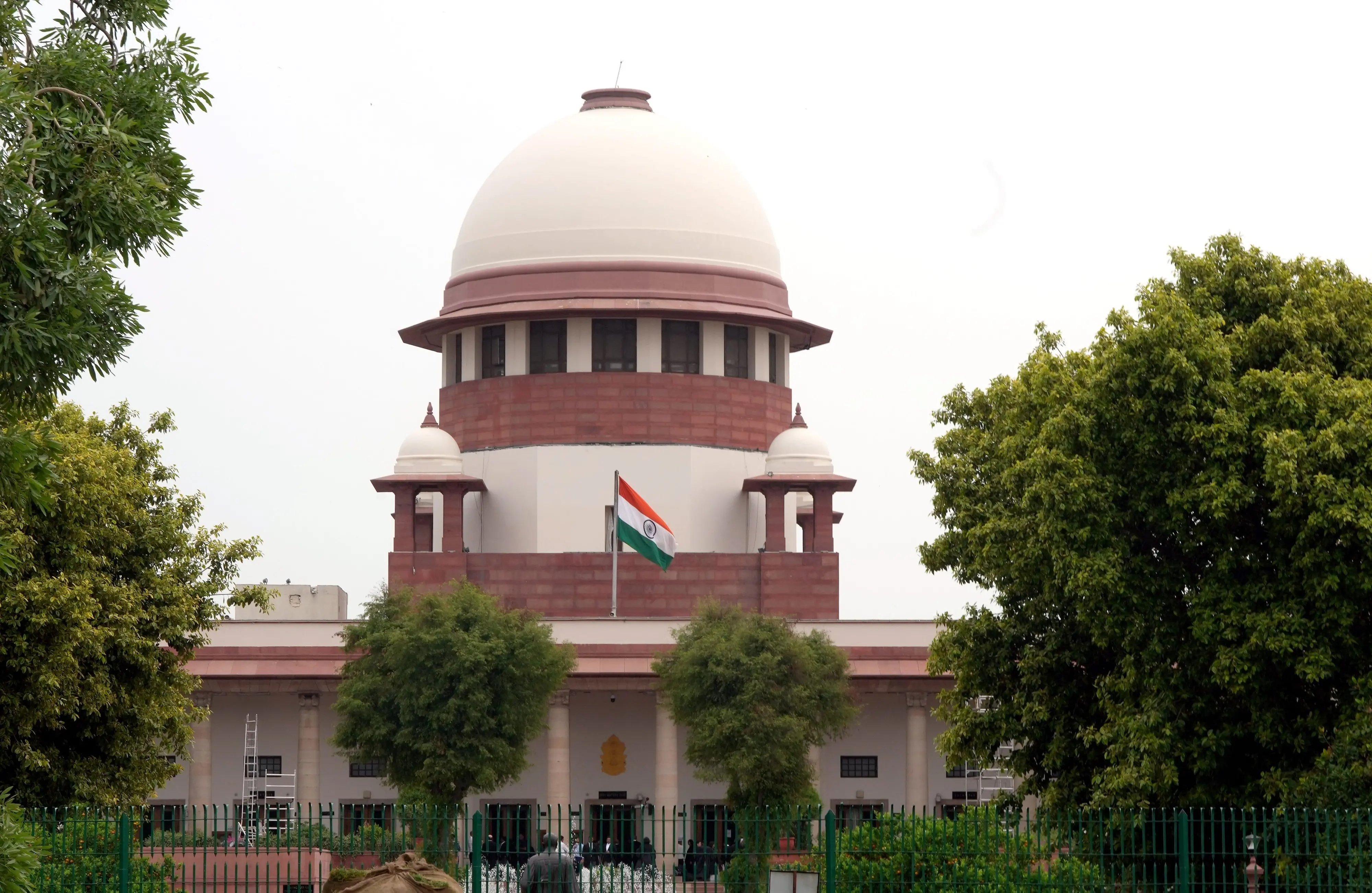
New Delhi: The Supreme Court has drawn a clear line between offensive language and legally defined obscenity, ruling that mere abuse, profanity or vulgar expressions cannot be treated as an offence under Section 294 of the Indian Penal Code (IPC).
A bench of Justices Sanjay Karol and Vipul M Pancholi observed that words may be insulting, unpleasant or offensive but that alone does not make them obscene in the eyes of law.
The court set aside the conviction of a person who was accused of using abusive slurs involving family members during an argument. It held that the language used in the incident was vulgar and abusive but did not fulfil the requirements needed to establish an obscenity offence.
Obscenity requires specific legal elements
The Supreme Court said that obscenity under Section 294 of the IPC is not the same as vulgarity, abuse or profanity.
The bench explained that for words to be considered obscene, they must have a "lascivious" nature, appeal to "prurient interests" and have the tendency to corrupt or negatively influence those who hear, read or see them.
The court noted that abusive words may create feelings of anger, disgust or discomfort, but such reactions alone are not enough to classify them as obscene.
While delivering the judgement, the Supreme Court referred to earlier decisions, including the Samaresh Bose vs Amal Mitra case, where it had held that the use of slang, unconventional expressions or vulgar language does not necessarily amount to obscenity.
The court said that language can be rude, insulting or offensive without crossing the legal threshold of obscenity.
Section 294 IPC requires public annoyance
Section 294 of the IPC deals with obscene acts or words used in public places that cause annoyance to others. The provision states that obscene acts or words in public can attract punishment of up to three months imprisonment.
The Supreme Court highlighted that proving public annoyance is also an essential requirement under the provision.
The bench said that in the case before it, there was no evidence showing that the abusive words caused public annoyance or contained any sexual or obscene element required under the law.
The ruling reinforces that not every offensive expression can be prosecuted as obscenity. The Supreme Court said that legal action under Section 294 requires proof of specific ingredients and cannot be based only on the use of harsh or disrespectful words.