Delhi kids at risk? Supreme Court wants sports postponed amid toxic air
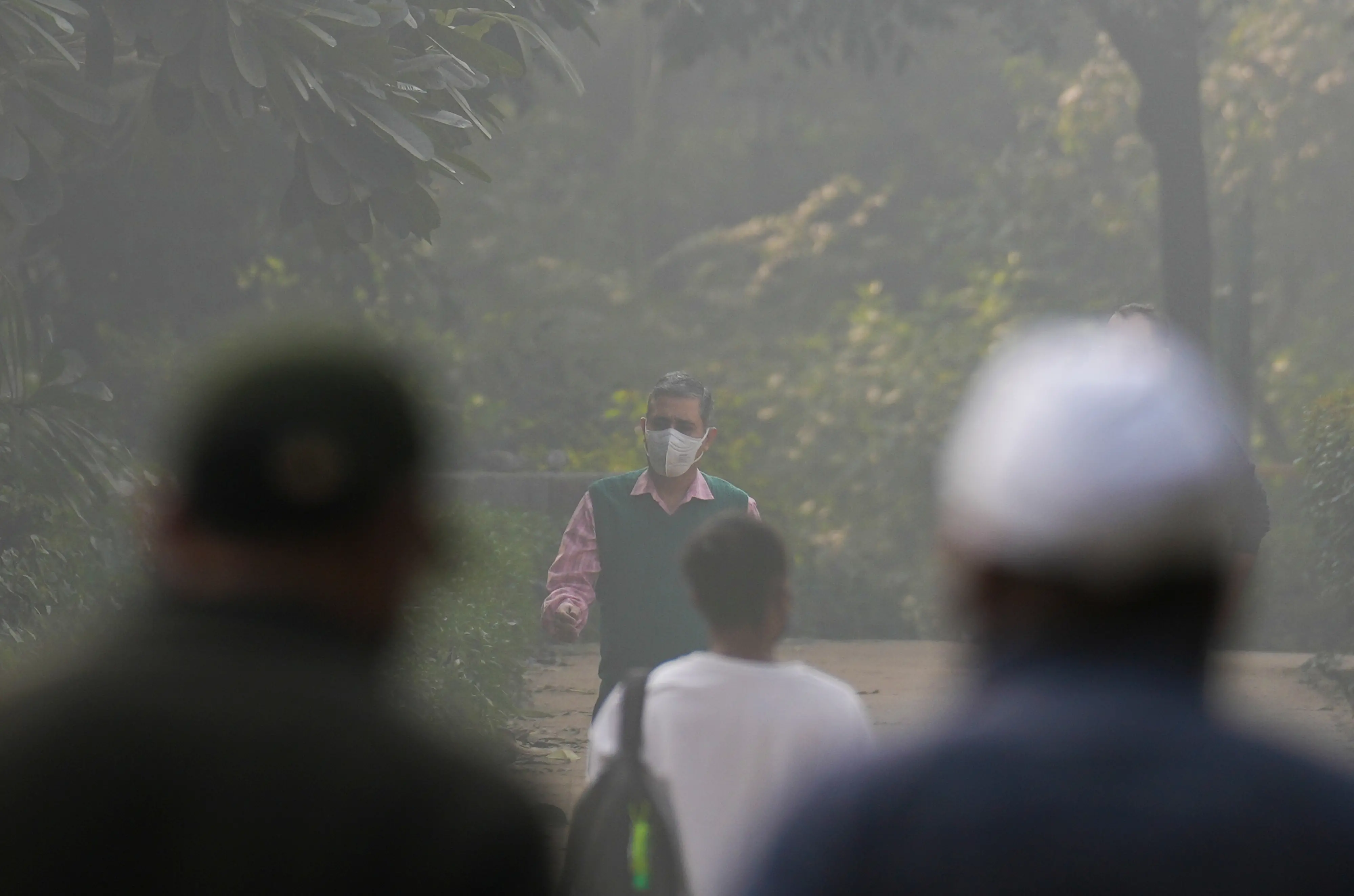
New Delhi: Amid Delhi’s air quality remaining at hazardous levels, the Supreme Court on Wednesday urged the Commission for Air Quality Management (CAQM) to consider issuing directions to postpone sports activities in the Delhi-National Capital Region. The apex court recommended rescheduling school and other competitions scheduled for November-December to months with safer air quality, noting that conducting sports during peak pollution could endanger children.
A bench comprising Chief Justice of India BR Gavai and Justice K Vinod Chandran heard the matter, with Senior Advocate Aparajita Singh, appearing as amicus curiae, emphasising that “children are most vulnerable; holding sports now is like putting them in gas chambers,” referring to planned school sports meets amid the ongoing air pollution. The directions were issued in the context of the ongoing MC Mehta case, which the Supreme Court reviews monthly to address air pollution issues in Delhi-NCR. The bench advised CAQM to consider rescheduling events to ensure children’s safety. A petition seeking similar relief was also listed for hearing in the Delhi High Court on Wednesday.
Meanwhile, Delhi’s air quality remained in the ‘very poor’ category for the sixth consecutive day, with an Air Quality Index (AQI) of 391. Data from the Central Pollution Control Board’s Sameer app showed 18 of 38 monitoring stations recording AQI levels in the ‘severe’ category, including Chandni Chowk, DTU, Bawana, Anand Vihar, Mundka, Narela, and Wazirpur, each exceeding 400. According to CPCB standards, AQI readings between 301-400 are considered ‘very poor,’ while 401-500 are ‘severe.’
The Supreme Court’s directive reflects growing concern over the health risks posed to children and vulnerable populations during periods of extreme pollution. By advising CAQM to reschedule outdoor activities, the court seeks to mitigate immediate health hazards while complementing ongoing efforts under the MC Mehta litigation to address Delhi-NCR’s chronic air pollution crisis. Authorities have consistently advised limiting outdoor activities, using masks, and employing air purifiers indoors to reduce exposure to harmful pollutants. This judicial intervention underscores the urgency of both immediate and long-term measures to safeguard public health amid recurring pollution episodes.
(With PTI inputs)