Why the Supreme Court stepped in: Sitaare Zameen Par fuels debate on disability inclusivity
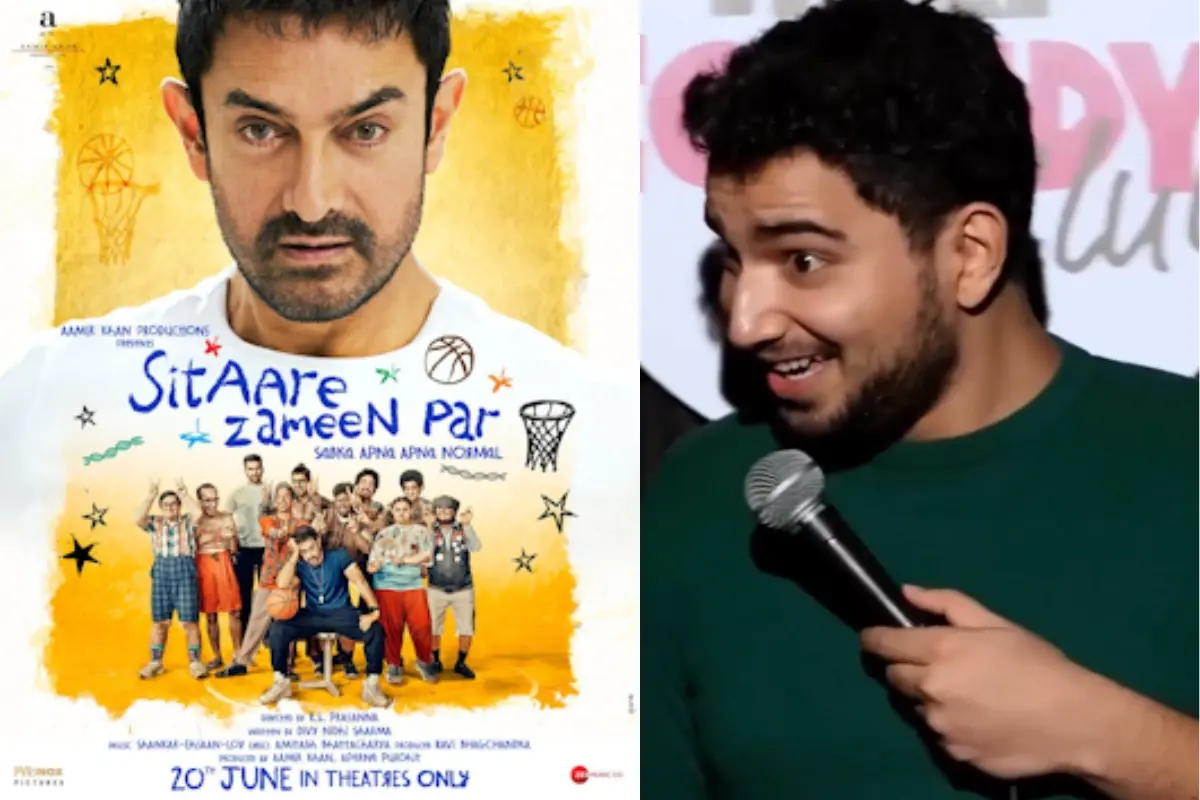
New Delhi: The Supreme Court of India has issued a decisive directive requiring stand-up comedian Samay Raina and four other social media creators to take sustained steps to improve disability representation across their platforms.
The order comes after a viral video showed comedians making remarks that were widely criticised as mocking persons with disabilities, prompting a broader conversation on accountability in digital spaces. Taking serious note of the public outrage, the Court instructed the creators to feature persons with disabilities at least twice a month in their online content and at public events. They have also been asked to use their reach to raise awareness and mobilise funds, particularly for children affected by rare and severe conditions such as Spinal Muscular Atrophy.
The timing of the directive has generated significant public interest because it coincides with the release of Aamir Khan’s Sitaare Zameen Par, a film that has revived nationwide conversation on inclusivity, sensitivity and representation. Nearly 18 years after Taare Zameen Par reshaped public understanding of dyslexia and childhood learning differences, the new film has emerged as a cultural catalyst once again. Discussions prompted by the film have resurfaced in classrooms, workplaces and homes, highlighting broader issues around dignity, empathy and the visibility of children with diverse needs. The intersection of this renewed social discourse with a judicial intervention has underscored how cinema can influence wider legal and policy considerations.
Sitaare Zameen Par, released on 20 June 2025, showcases ten young actors — Aroush Datta, Gopi Krishna Varma, Samvit Desai, Vedant Sharma, Ayush Bhansali, Ashish Pendse, Rishi Shahani, Rishabh Jain, Naman Mishra and Simran Mangeshkar — whose performances have been praised for realism and emotional nuance. Directed by R. S. Prasanna, the film stars Aamir Khan and Genelia Deshmukh and features music by Shankar–Ehsaan–Loy with lyrics by Amitabh Bhattacharya. The film is produced by Aamir Khan and Aparna Purohit under Aamir Khan Productions, with B. Shrinivas Rao and Ravi Bhagchandka serving as co-producers.
The Supreme Court’s intervention reflects an evolving expectation that public figures and digital creators use their influence to support social inclusion rather than amplify insensitive content. With the film’s messaging and the Court’s directive emerging simultaneously, Sitaare Zameen Par has become a focal point in a wider conversation about cultural responsibility, representation and the role of storytelling in shaping societal attitudes. The moment marks a rare intersection of entertainment, public sentiment and judicial action, signalling a shift toward a more constructive and inclusive approach to disability visibility across India.