'One resignation isn't enough': Shashi Tharoor demands complete overhaul of exam system
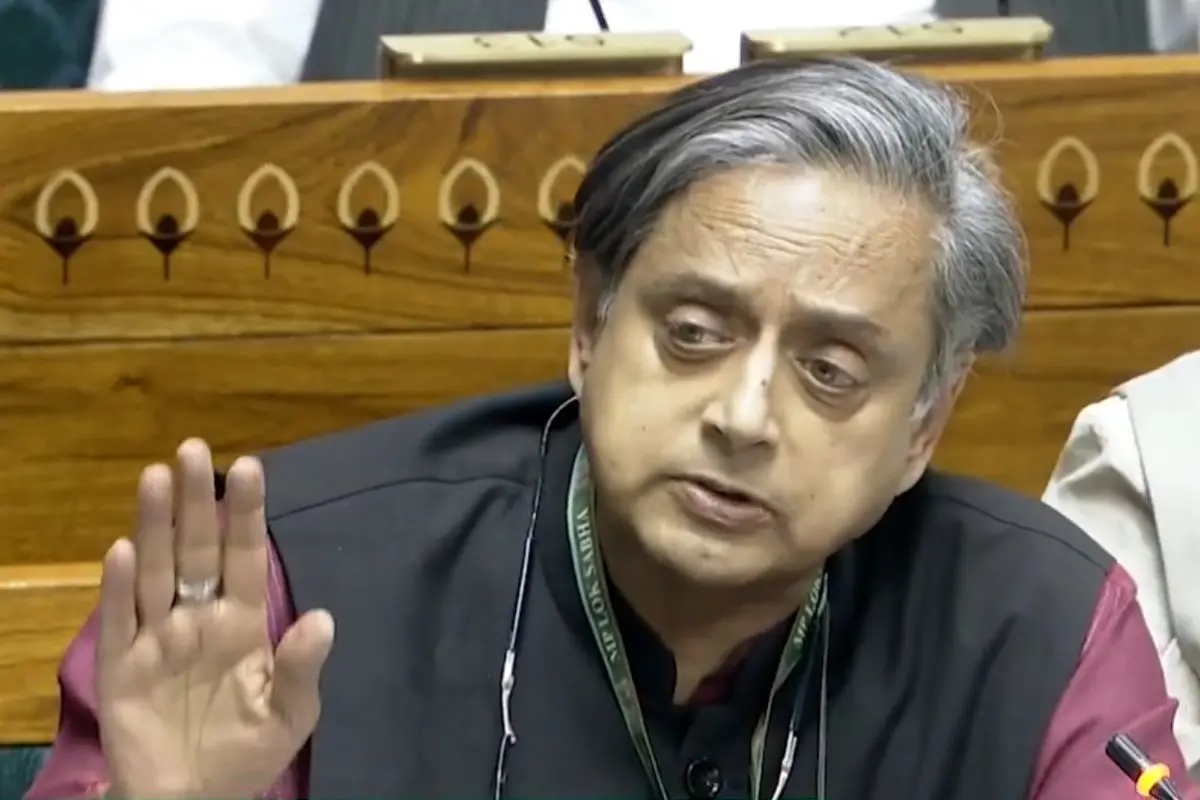
New Delhi: Congress MP Shashi Tharoor on Tuesday said Parliament should resume normal functioning to allow a meaningful discussion on the Public Examinations (Prevention of Unfair Means) Amendment Bill, 2026, arguing that the concerns of students affected by examination irregularities must be heard.
His remarks came as the Lok Sabha prepared to debate the Bill amid continued political confrontation over alleged paper leaks and demands for wider reforms to India's examination system.
Tharoor welcomes debate on exam reform Bill
Speaking to reporters after Lok Sabha Speaker Om Birla announced that the Public Examinations (Prevention of Unfair Means) Amendment Bill, 2026, would be taken up for discussion, Tharoor said the Opposition was likely to participate in the debate.
He stressed that Parliament needed to function normally so lawmakers could raise issues affecting millions of students.
"I think it's a very important debate and I think now the Opposition seems very likely to participate in this debate, which I'm very encouraged by because I think we need to get Parliament back on track. The voices of the children of India must be heard in Parliament, and many of us feel a responsibility to raise some of these issues," Tharoor said.
Opposition to question effectiveness of proposed law
Tharoor said the Opposition would scrutinise whether the proposed amendments were capable of addressing recurring examination paper leaks and restoring confidence in the system.
He questioned whether limited legal changes would be sufficient to tackle the scale of the problem.
"If the discussion addresses what the nation is waiting to hear, we will certainly ask questions. Is the bill introduced by the government sufficient? Will merely setting up fast-track courts or changing one or two provisions truly improve the future of our children? These are questions that need to be asked."
Calls for systemic reforms beyond individual accountability
The Congress leader argued that the issue extended beyond the resignation of one minister and required comprehensive reforms to the examination system.
"The government's accountability is the most important thing. Only one minister's resignation is not enough. The entire system needs to be transformed," he said.
Tharoor also criticised the reception given to former Union Education Minister Dharmendra Pradhan when he arrived at Parliament after resigning from office.
"I think it's a very disturbing development because obviously, you know, when a minister resigns taking moral responsibility for a failure, you don't greet him as a hero," he said.
He further argued that celebrating the resignation ignored the concerns of students and families affected by alleged examination irregularities.
"That suggests to me that those who did so are out of touch with the feelings of the vast majority of middle-class India, of young people, of people who want a system that works. These are all people who did the right thing, who studied, prepared for exams, and were betrayed by the system. You don't applaud that. If you're applauding it and celebrating it, then you're out of touch with the people; you will not get their support."
Background: Political row over exam irregularities
The debate on the amendment Bill comes after weeks of political protests over alleged irregularities in competitive examinations, including paper leaks and questions over the integrity of recruitment and entrance tests.
The controversy led to sustained protests by Opposition parties inside and outside Parliament, with the Congress and several other parties demanding accountability from the government. Opposition leaders had sought the resignation of Union Education Minister Dharmendra Pradhan, arguing that the examination system had failed students and required comprehensive reform.
Pradhan subsequently resigned, taking moral responsibility for the crisis. However, Opposition leaders have maintained that replacing a minister alone would not resolve structural weaknesses in the examination system and have continued to press for wider institutional reforms and stronger safeguards against future paper leaks.
Government's proposed amendment Bill
The Public Examinations (Prevention of Unfair Means) Amendment Bill, 2026, aims to strengthen the legal framework against examination malpractice by proposing stricter enforcement mechanisms, including provisions related to faster investigation and trial of offences linked to public examinations.
The government has argued that the amendments will improve deterrence and help protect the integrity of public examinations. However, Opposition parties have questioned whether the proposed changes go far enough to prevent future leaks, improve accountability and rebuild public trust in the examination process.
The Bill is expected to be debated in the Lok Sabha, where both the government and Opposition are set to present their respective positions on how best to reform India's public examination system.