‘I did NOT agree’: Tharoor dismisses Rijiju’s claim that he accepted Congress as ‘anti-women’
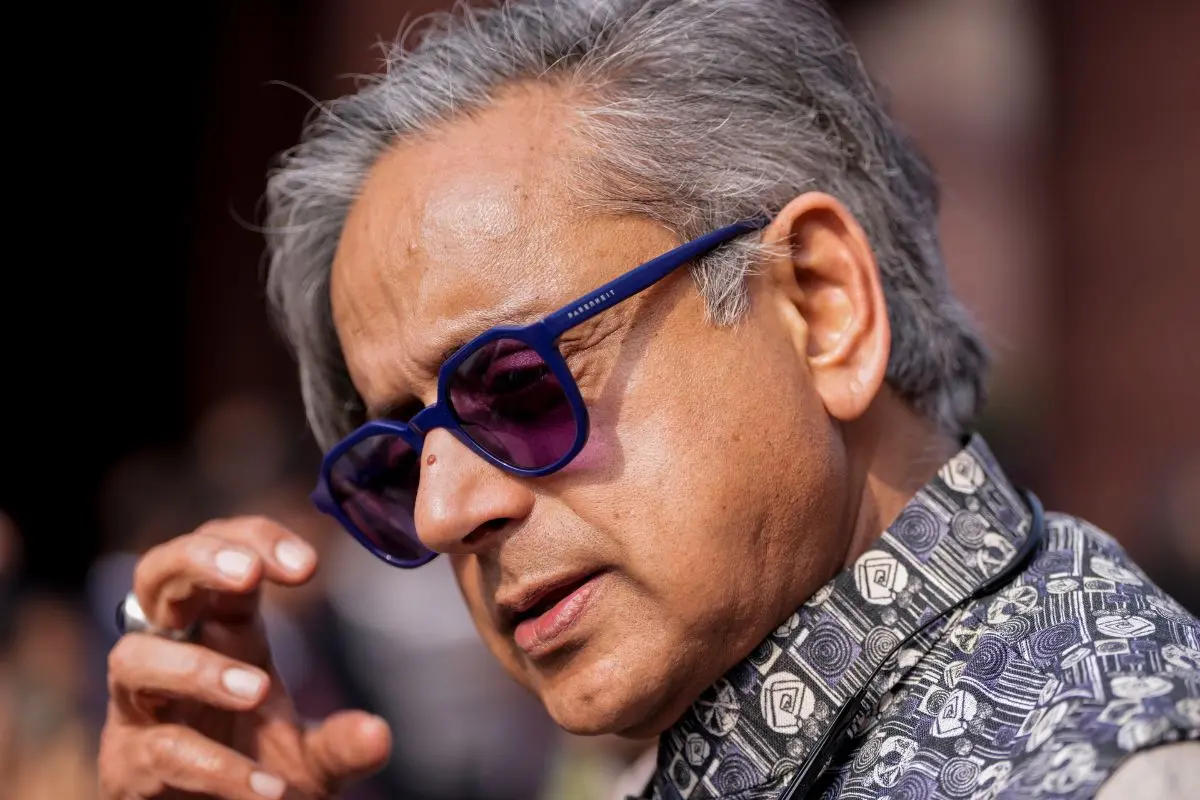
New Delhi: Congress MP Shashi Tharoor on Tuesday dismissed Union Minister Kiren Rijiju’s claim that he had, “in a way,” agreed with the suggestion that the Congress party is “anti-women,” saying his remarks were misquoted and taken out of context.
“I am sorry, but with the greatest respect for Kiren Rijiju, at no point did I say or imply any such thing -- and I have seven witnesses in the photograph who can confirm that!” Tharoor posted on X.
He further clarified, “That was what he meant”, our Minister says. No, sir, that is NOT what I meant. “That Congress can be anti-women… he agreed in a way,” he added. I am sorry but I did NOT agree in any way.”
Reaffirming his party’s stance on women’s empowerment, Tharoor said, @INCIndia has stood for women's rights and women's reservation under a strong woman President in Sonia Gandhi, initiated the Women's Reservation Bill, passed it in the Rajya Sabha during our tenure and supported it in the Lok Sabha when it was brought by GoI in 2023. We are totally in favour of women's reservation and are prepared to have it implemented right now -- without linking it to delimitation,”
Earlier, Rijiju had claimed in an interview with ANI that Tharoor had indirectly acknowledged the Congress party was “anti-women” in the context of the Women’s Reservation Bill not being passed in Parliament.
“Shashi Tharoor said to me after the Parliament session ended, that Congress may be anti-women, but no woman would consider Shashi Tharoor anti-women. I replied that yes, I agree that no one would call you anti-women, but your party is anti-women... He also accepted in a way that Congress is anti-women,” Rijiju said.
Backing Rijiju’s remarks, BJP leader C.R. Kesavan accused the Congress of inconsistency on women’s empowerment and alleged that the party had failed to advance the 33% women’s reservation despite being in power for decades. He also referred to the Shah Bano case, alleging it reflected setbacks to women’s rights under Congress rule.