Shanti Bill 2025: Govt issues explainer on nuclear energy reforms
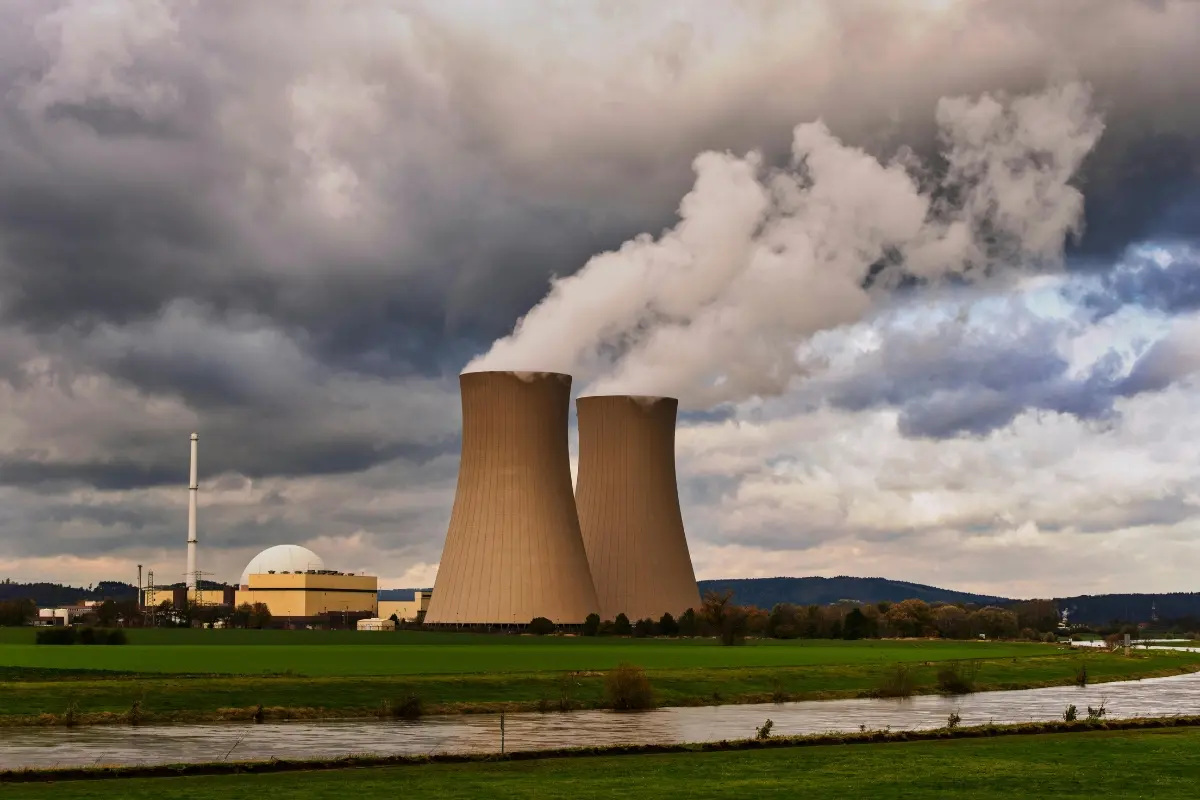
New Delhi: The Shanti Bill, passed in the Lok Sabha aims to reform India’s nuclear energy sector by allowing greater private participation under strict government oversight. Following its passage, the government has addressed several concerns and misconceptions surrounding safety, privatisation, radiation, costs, and long-term impact. Here is a clear myth-versus-fact breakdown shared by the government to explain what the reform actually means.
Myths vs Facts on the Shanti Bill
Myth: Private companies will compromise on safety.
Fact: No company can operate a nuclear facility without a government licence, safety clearance, and mandatory insurance. If rules are violated, the government has the authority to shut down or take over the plant. Safety is non-negotiable.
Myth: This is privatisation of nuclear energy.
Fact: This is not privatisation. Nuclear fuel remains under government supervision. Spent fuel, security, and safeguards continue to be controlled by the government. Private players may build, own, and operate plants while bringing in investment, technology, and jobs—but control stays with India through licensing and safety regulations.
Myth: Radiation from nuclear plants will harm people.
Fact: Nuclear plants expose the public to less radiation than coal plants and even some common medical procedures. Radiation levels are continuously monitored.
Myth: This will make electricity more expensive.
Fact: Nuclear power runs 24×7, has stable fuel costs, and operates for 60–80 years. Over time, this leads to cheaper and more stable electricity. Good for your future power bill.
Myth: There is nothing in this for young people.
Fact: The reform creates high-skill engineering jobs, roles in technology, safety, AI, and research, as well as manufacturing and construction employment. These are future-ready jobs for Indian youth.
Myth: Nuclear energy is only about power plants.
Fact: Nuclear technology is widely used in cancer treatment, food safety, clean water solutions, and agriculture. It improves daily life, not just electricity supply.
Myth: This is risky for India’s future.
Fact: Nuclear energy cuts pollution, reduces dependence on coal and oil, and supports electric vehicles, AI infrastructure, and green hydrogen.