SC's status quo order on One Goa township project: Here's what happened and what comes next
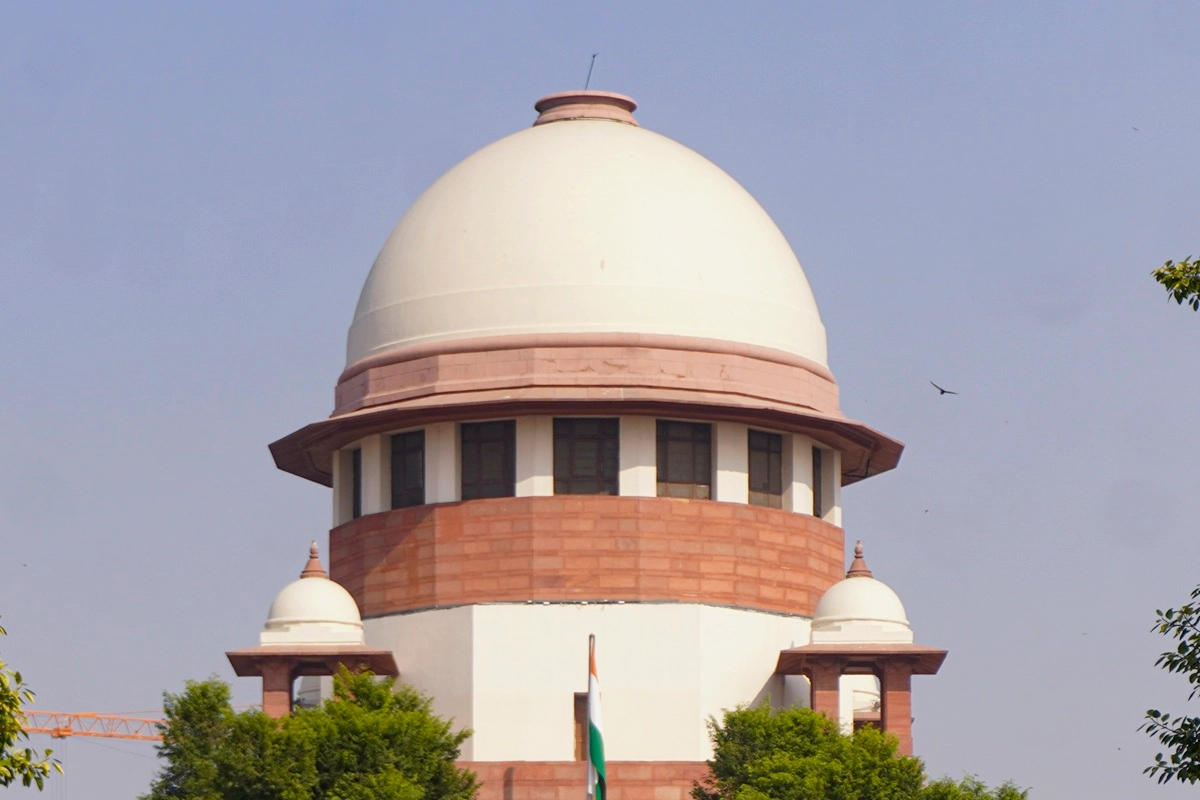
The Supreme Court has ordered an immediate status quo on all construction activities related to the 130-acre One Goa township project at Carapur village in North Goa, halting development work until the matter is heard in January.
A bench comprising Justice Vikram Nath and Justice Apresh Kumar Singh suspended the operation of technical clearances and construction licences granted by state authorities for the project. The interim order effectively stops all physical construction at the site.
The order follows a legal challenge by local resident Pravinsingh Shedgaonkar, who alleged that government authorities had issued fresh construction permissions in violation of earlier court directions.
What the Supreme Court order means for the site
The apex court decision directly freezes ongoing development work on four initial structures managed by real estate developer House of Abhinandan Lodha. Under the order, specific technical clearance orders issued between September 2025 and June 2026, alongside village panchayat construction licences from late 2025, remain stayed. Beyond halting construction, a separate contempt petition has been filed against Goa’s chief town planner, Vertika Dagur, and town planner Shivprasad Murari for issuing permissions despite existing judicial stay orders. A spokesperson for the developer indicated that the company had not yet received the court copy and would evaluate its legal options once the official document is reviewed.
Why the township project sparked local outcry
The legal challenge was taken to the Supreme Court by local resident Pravinsingh Shedgaonkar, who alleged that statutory authorities issued fresh build permissions in direct breach of earlier court directions. Campaigners from the Goa Foundation noted that the ruling brings much-needed relief to the Karapur community following a prolonged period of local distress and conflict. Villagers had previously demonstrated for over five months against the massive development, halting their protests only after the local panchayat temporarily suspended activity. Residents explained that a newly erected compound wall had blocked access to adjoining properties and tenanted farm fields, concealing ongoing building work until locals entered the plots following a court order.
Legal battle over land conversion rules
The conflict stems from a wider judicial dispute over Section 17(2) of the Goa Town and Country Planning Act, a legal mechanism previously used to modify regional land zoning. Last year, the Bombay High Court at Goa struck down the 2023 regional planning rules and read down Section 17(2), ruling that the provision was arbitrary and contrary to constitutional norms. Although state authorities appealed to the apex court, the Supreme Court refused to stay the High Court verdict and mandated that status quo be strictly maintained on all converted plots, including the Carapur land parcels. Despite those explicit judicial instructions, state planners subsequently granted fresh clearances, triggering the latest apex court intervention.