SC to hear pleas challenging Bihar voter roll revision on July 10
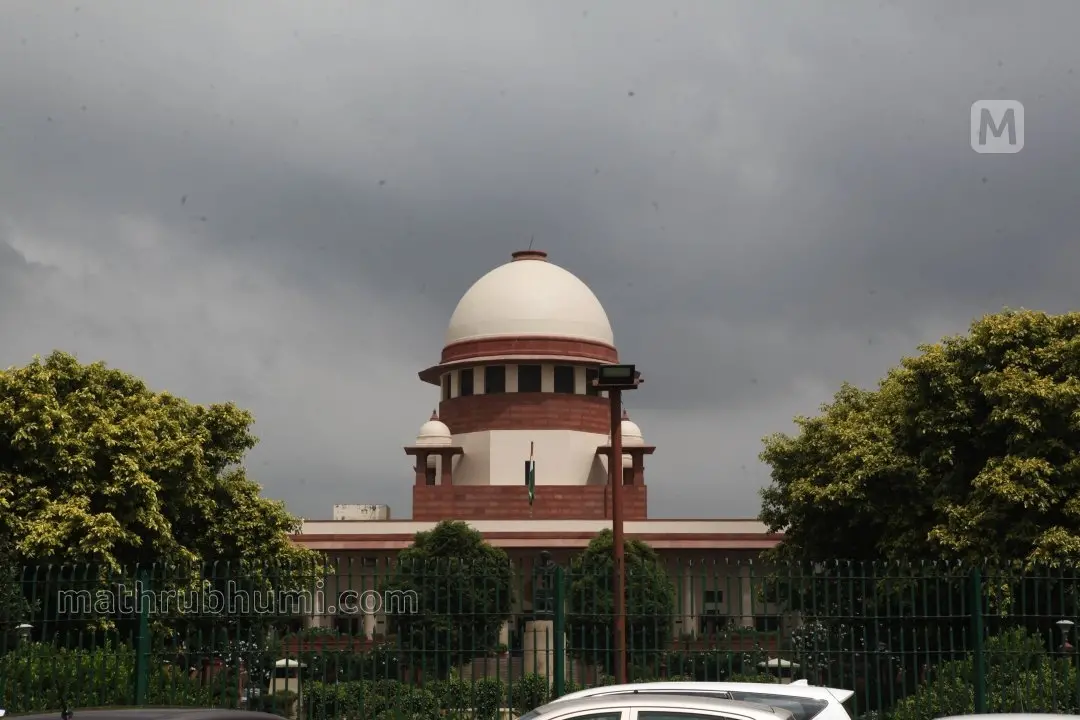
New Delhi: The Supreme Court is set to hear multiple petitions on Thursday challenging the Election Commission of India's (ECI) decision to carry out a Special Intensive Revision (SIR) of electoral rolls in Bihar ahead of the state elections.
The updated cause list shows that a bench comprising Justices Sudhanshu Dhulia and Joymalya Bagchi will hear over 10 related matters on 10 July.
On Wednesday, the bench agreed to take up a fresh plea filed by social activists Arshad Ajmal and Rupesh Kumar, who argue that the ECI’s move threatens the constitutional principles of free and fair elections. Their petition contends that the exercise imposes arbitrary, unreasonable, and disproportionate documentation requirements related to birth, residence, and citizenship, particularly affecting vulnerable groups.
Political attention
The matter has drawn significant political attention, with leaders from various opposition parties -- including RJD MP Manoj Jha, Trinamool Congress MP Mahua Moitra, Congress' KC Venugopal, Supriya Sule of the NCP (Sharad Pawar faction), D Raja of the CPI, Harinder Singh Malik of the Samajwadi Party, Arvind Sawant from Shiv Sena (Uddhav Thackeray), Sarfraz Ahmed of the JMM, and Dipankar Bhattacharya of CPI(ML) -- jointly moving the court to quash the EC’s order.
Appearing for the petitioners, senior advocates Kapil Sibal, Abhishek Manu Singhvi, and Gopal Sankaranarayanan criticised the timing and implementation of the SIR. Sibal, representing Manoj Jha, urged the court to issue notice to the ECI, calling the revision process an “impossible task” ahead of elections expected in November.
Singhvi raised concerns that four crore of Bihar’s eight crore voters would be required to submit fresh documents within an unreasonably short time frame, warning that failure to do so by 25 July could result in names being struck from the rolls.
Sankaranarayanan highlighted further complications, noting that commonly accepted identification documents like Aadhaar and voter ID cards are reportedly not being accepted for verification.
Justice Dhulia, while adjourning the matter to 10 July, remarked that the current timeline lacked legal sanctity, given that the elections had not yet been formally notified. The court directed petitioners to serve advance copies of their submissions to the ECI’s legal counsel.
In his plea, Jha argued that the ECI’s 24 June order violated constitutional provisions, including Articles 14 (right to equality), 21 (right to life and personal liberty), 325 (no exclusion from electoral rolls based on caste, religion, or gender), and 326 (universal adult suffrage).
The petition calls the SIR order discriminatory and arbitrary, especially as it requires citizens to submit enumeration forms within 30 days, followed by another 30-day window for claims and objections -- all during the monsoon season, which frequently displaces large parts of Bihar's population.
Jha also highlighted the difficulties faced by migrant workers, many of whom are unlikely to return to their home districts within the deadline, risking the deletion of their names from the voter rolls despite being listed in previous rolls.
Meanwhile, in a separate petition, advocate Ashwini Upadhyay has supported the SIR, urging the ECI to proceed with the revision to prevent “illegal foreign infiltrators” from influencing Indian elections. He argued that demographic changes in hundreds of districts have been caused by illegal immigration, religious conversions, and unchecked population growth.
Moitra, in her submission, has also sought directions from the apex court to restrain the ECI from implementing similar SIR processes in other states.