2 discharged, one critical: AIIMS updates Satya Niketan collapse victims
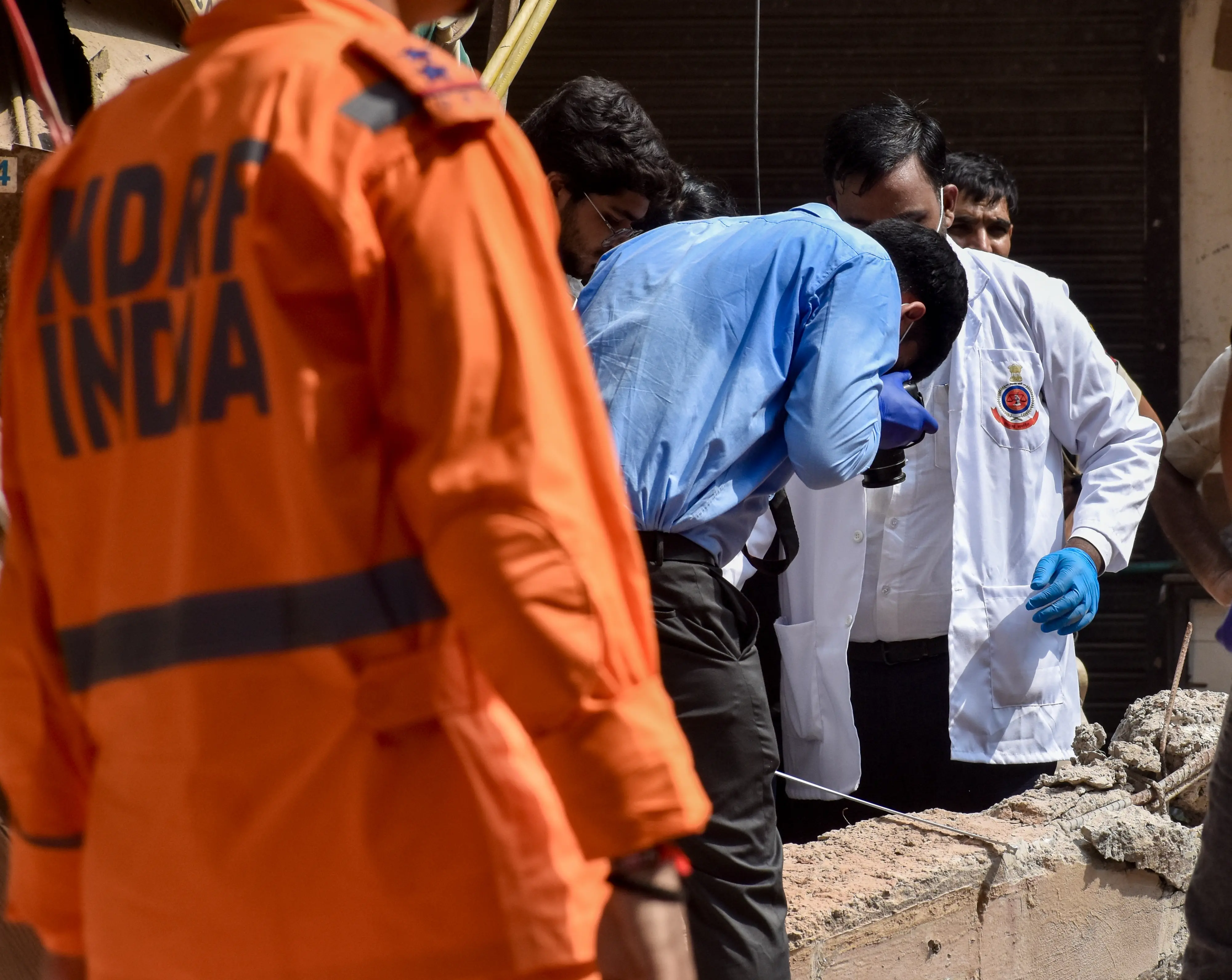
Two of the four patients admitted to AIIMS following the Satya Niketan building collapse have been discharged, while one remains in critical condition in the ICU. The Delhi government has meanwhile announced plans for a comprehensive policy to regulate PG accommodations and coaching institutes within 45 days.
The All India Institute of Medical Sciences (AIIMS), New Delhi, said on September 8 that two patients admitted to the JPN Apex Trauma Centre following the Satya Niketan building collapse have been discharged after receiving treatment.
The two discharged patients have been identified as Aditya and Nitish Chib.
Neeraj Bawa remains admitted to the intensive care unit and is in critical condition, according to the latest AIIMS update issued at 8.30 pm on September 8.
Another patient, Asgar Ali, remains admitted and is in stable condition.
The latest update provides the current status of the four patients who were admitted to the JPN Apex Trauma Centre following the building collapse.
Delhi plans new rules for PG accommodations
The patient update comes as the Delhi government moves to strengthen regulations for paying guest accommodations following the Satya Niketan tragedy.
The government plans to introduce a comprehensive policy within 45 days to regulate PG accommodations and coaching institutes in the national capital. A common web portal is also proposed to provide information about PG facilities, availability and safety standards on a single platform.
Delhi Education Minister Ashish Sood met students living in PG accommodations on Tuesday to understand the problems they face. Students raised concerns about rents, facilities, safety standards, agreements and cases where PG operators do not fulfil commitments made to tenants.
Sood said that in some cases, the owner of a building, the person operating the PG and the person collecting rent may be different individuals. The government believes this can make it difficult to enforce agreements and establish accountability.
Proposed policy to focus on safety and accountability
The proposed policy is expected to establish safety and other standards for PG accommodations. The government plans to consult PG operators, parents, student organisations and relevant departments before finalising the framework.
The proposal will subsequently be discussed with Chief Minister Rekha Gupta and the Lieutenant Governor before being placed before the Cabinet.
The government also plans to develop a common digital platform where students can obtain information about PG accommodations, including availability, facilities and safety-related details.
Student housing shortage remains a major issue
The government has also highlighted the shortage of accommodation for students coming to Delhi from other parts of the country.
According to Sood, more than two lakh students come to Delhi and require accommodation, creating a significant gap between demand and available hostel facilities.
The government is considering increasing the Floor Area Ratio for the redevelopment of Delhi University hostels and speeding up building-plan approvals.
Vacant buildings in Narela are also being examined as possible accommodation for students. A proposal to connect these locations to educational institutions through bus services is under consideration.
While the government plans to expand hostel facilities provided by public institutions, private PGs are expected to continue playing an important role in housing students.
What happens next?
The immediate priority remains the treatment of those injured in the Satya Niketan collapse, with AIIMS reporting one patient in critical condition and another stable.
At the policy level, the Delhi government's proposed 45-day timeline could lead to new safety and regulatory requirements for PG accommodations and coaching institutes. The consultation process will determine the final provisions, including how operators, owners and other parties are held accountable.
The proposed common portal could also give students a central source of information when looking for accommodation, although its exact features and implementation process are yet to be finalised.
The government is simultaneously looking at the wider shortage of student housing through hostel redevelopment, possible use of vacant government buildings and improved connectivity.