Satellite imagery exposes China’s encroachment in areas south of Doklam
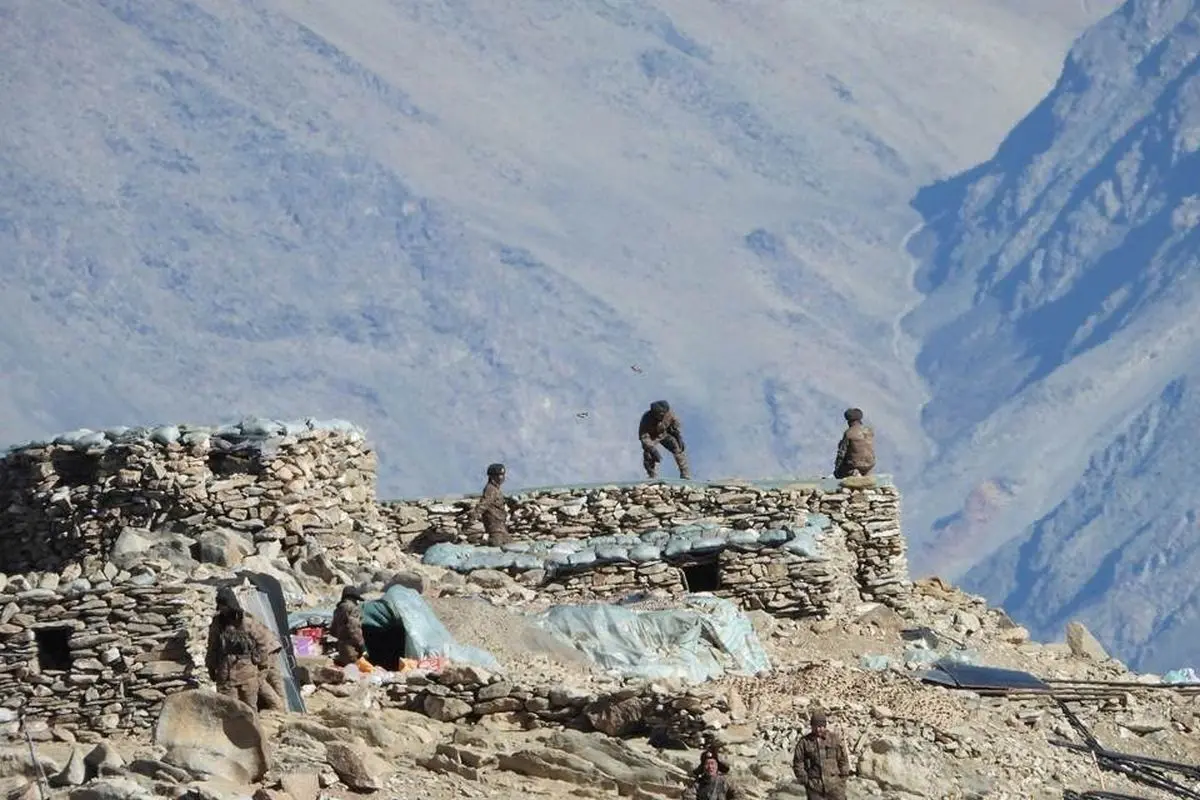
In a worrying development, satellite imagery has revealed how China's People's Liberation Army (PLA) is continuing to encroach into areas south of Doklam, with significant advancements noted east of the Amo Chu river.
These developments indicate ongoing "salami-slicing" tactics by Beijing, raising alarms about unchallenged territorial gains in strategically sensitive regions.
Col Vinayak Bhat (Retd), who operates the Rajfortyseven handle on X, posted satellite imagery to how areas east of the Amo Chu, which were previously considered a "red line" by India, have now been effectively and surreptitiously occupied by the PLA.
The expansion is reportedly being solidified by the construction of additional troop barracks, further strengthening China's hold on these contested territories.
The alleged continuous encroachment highlights persistent border tensions between India and China, particularly in areas near the Doklam plateau, which has been a flashpoint in the past.
The term "salami-slicing" refers to a strategy of gradually seizing territory through small, incremental actions that individually may not provoke a strong reaction but cumulatively result in significant gains.
Amid alarming reports of renewed Chinese encroachment south of the Doklam plateau and east of the Amo Chu river, India last week engaged in high-level defense dialogue Bhutan. This development comes years after the tense 2017 Doklam standoff, which highlighted the region's critical strategic importance for India.
The 2017 tri-junction standoff began when China attempted to extend a road into an area claimed by Bhutan. India had strongly opposed this construction, citing its significant impact on its overall security interests. The dispute, where India backed Bhutan's territorial claims, raised fears of a larger conflict before eventually being resolved through diplomatic talks.
Last week, Indian Army Chief General Upendra Dwivedi held extensive discussions with Bhutan's military chief, Lieutenant General Batoo Tshering, focusing on strengthening bilateral defense cooperation. These talks, occurring amidst an evolving regional security landscape and following India's recent Operation Sindoor, are understood to have included a review of the overall situation in the Doklam plateau and ongoing Chinese activities in the area.
Bhutan shares over a 400-kilometer border with China and both countries have been engaged in a series of boundary talks aimed at resolving their longstanding dispute. New Delhi is closely monitoring these negotiations, as a resolution between Bhutan and China could have direct implications for India's security interests, particularly concerning the Doklam tri-junction.