Upcoming disruptions on Samruddhi Expressway: What commuters need to know
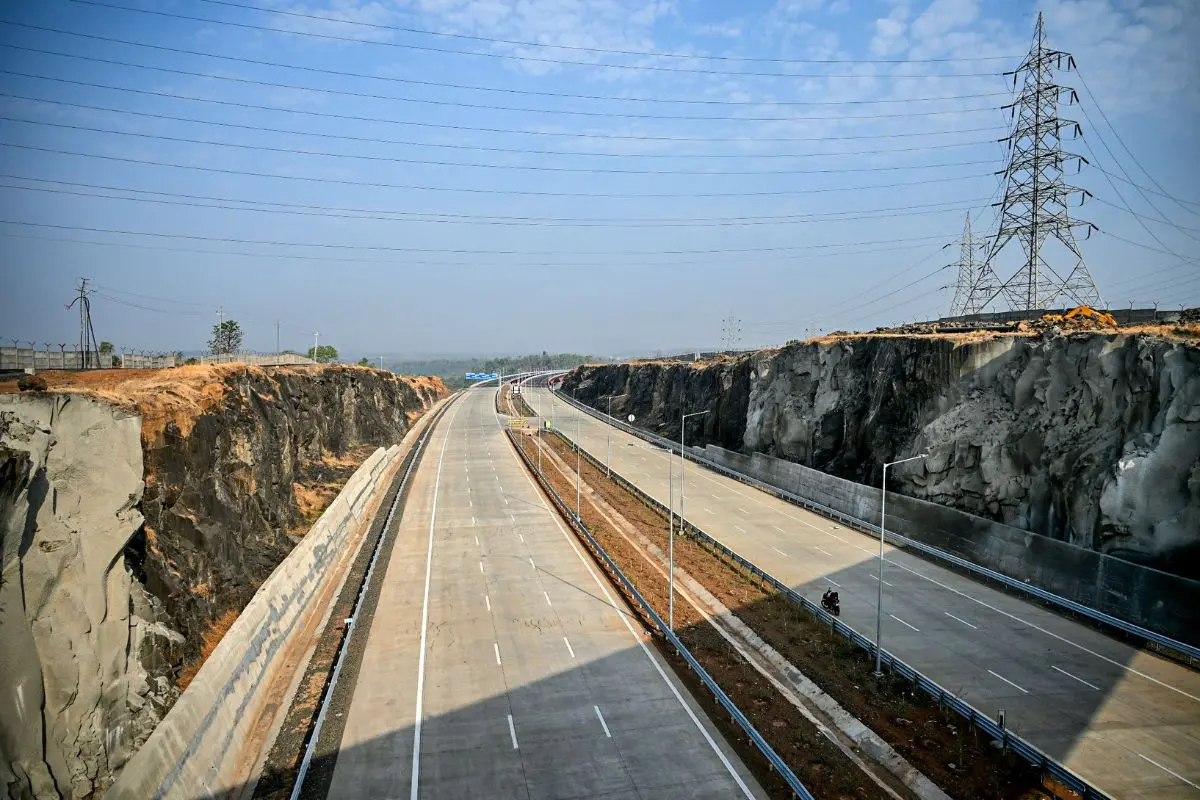
Maharashtra: Maharashtra’s largest expressway, the Samruddhi Mahamarg, will face a temporary traffic block for 10 days as authorities carry out safety and technology upgrades. The Maharashtra State Road Development Corporation (MSRDC) announced a partial closure from February 9 to February 18.
Affected stretch
The traffic block will affect the section between 300.4 km and 365.8 km in Jalna district, covering the Buldhana–Lonar, Deulgaon Raja and Sindkhed Raja routes. Commuters using this stretch should expect delays. The closure is part of the implementation of the Samruddhi Highway Traffic Management System. Gantries will be installed to enable speed monitoring, traffic rule enforcement, accident detection and faster emergency response.
Phased execution plan
The work will be carried out in 10 phases, with one side of the highway closed during each phase. Traffic towards Mumbai or Nagpur will be halted for 50 to 60 minutes at a time. A total of 21 gantries will be installed. Once operational, the upgraded system is expected to improve speed control, accident response, traffic flow and overall road safety on the expressway.
MSRDC has advised travellers to plan their journeys in advance, allow extra travel time, use alternative routes where possible and follow instructions from traffic officials.
About the Samruddhi Expressway
The 701-km Samruddhi Expressway connects Mumbai and Nagpur and is one of India’s largest greenfield infrastructure projects. It is currently a six-lane road, with provision for expansion to eight lanes. The highway passes through 10 districts: Nagpur, Wardha, Amravati, Washim, Buldhana, Jalna, Aurangabad, Nashik, Ahmednagar and Thane. The project was built at an estimated cost of Rs 55,000 crore and has been fully operational since June 2025. The expressway has reduced travel time between Mumbai and Nagpur from about 16 hours to 7–8 hours and has a maximum speed limit of 150 kmph. It includes 33 major bridges, 274 minor bridges, around 65 flyovers, six tunnels with a combined length of 21 km, helipads and roadside amenities.