Red Panda cubs born after 7-year gap at Himalayan Zoological Park
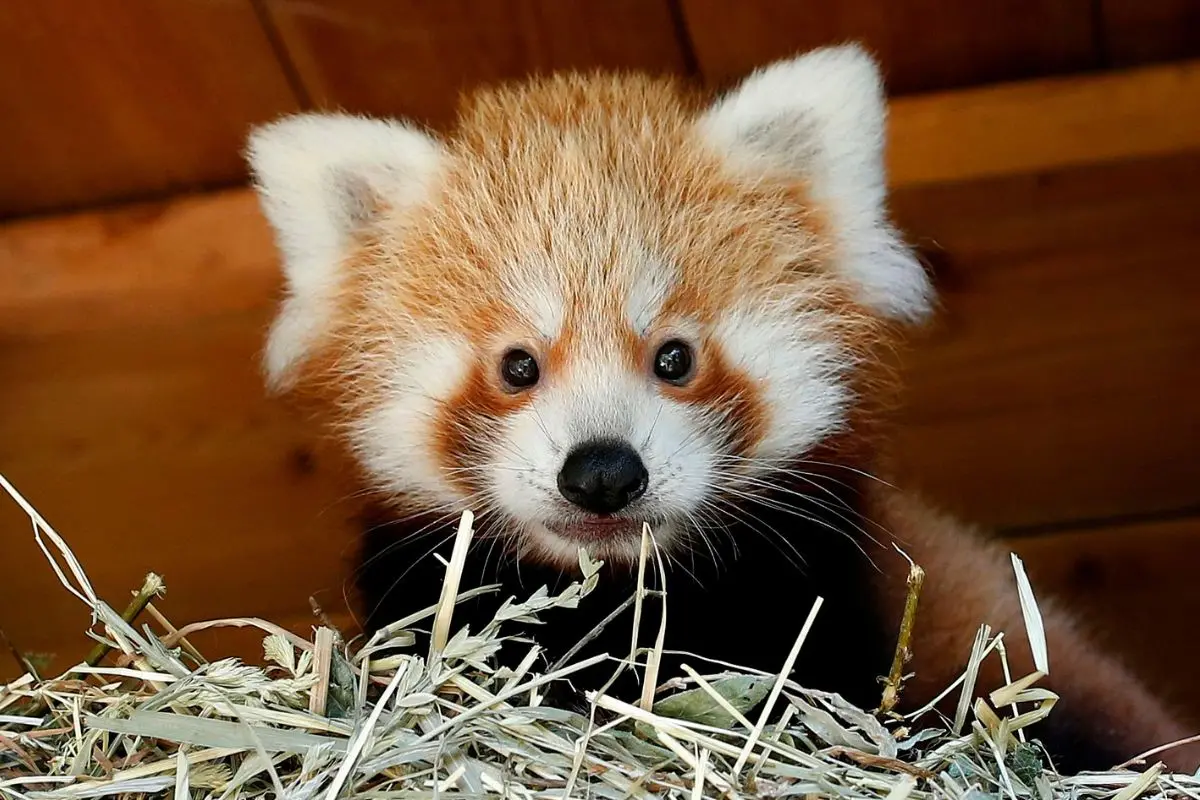
Gangtok, Sikkim: The Himalayan Zoological Park (HZP) in Bulbuley, Sikkim, has announced the birth of two red panda cubs, marking a milestone in its Red Panda Conservation Breeding Program. The cubs were born on 15 June 2025, to parents Lucky(II) and Mirak, following a long gap of seven years without successful births.
The birth of the two cubs comes after a difficult period in the park’s breeding history, which saw setbacks due to disease outbreaks and other challenges. A release from the park stated, "This birth is especially heartening as it comes after a difficult period in the program's history – a seven-year gap in successful births due to challenges like the two outbreaks of Canine Distemper that nearly decimated the captive red panda population."
Key milestone in Breeding Program
This is the first litter for Lucky(II) and Mirak, making their cubs a landmark for the Himalayan Zoological Park’s breeding efforts. The Red Panda Conservation Breeding Program, initiated in 1997, started with a pair of red pandas – Preeti from Rotterdam Zoo and Jugal from Padmaja Naidu Himalayan Zoological Park in Darjeeling. Over time, the program has been strengthened with the addition of new animals, including Lucky and Ram in 2005, which has helped expand the genetic pool of the captive red panda population.
Red pandas typically breed between November and January, with females giving birth between June and August after a five-month gestation period. Remarkably, both parents, Lucky(II) and Mirak, participated in building the nest, which is a rare occurrence in red panda behaviour. However, the responsibility for raising the cubs falls solely to the mother, who will teach them vital skills such as climbing and foraging.
During this sensitive period, the cubs will be kept out of the public eye to ensure they are not disturbed. Any disturbance, whether from predators or humans, could lead to the cubs being abandoned, especially at this vulnerable age.
The cubs will remain with their mother for over a year, reaching full size by 12 months. They will become sexually mature by 18 months, after which their health and compatibility will be assessed for potential future breeding.
With ANI inputs