RBI drafts new rules for quicker settlement of claims on deceased customers’ accounts, lockers
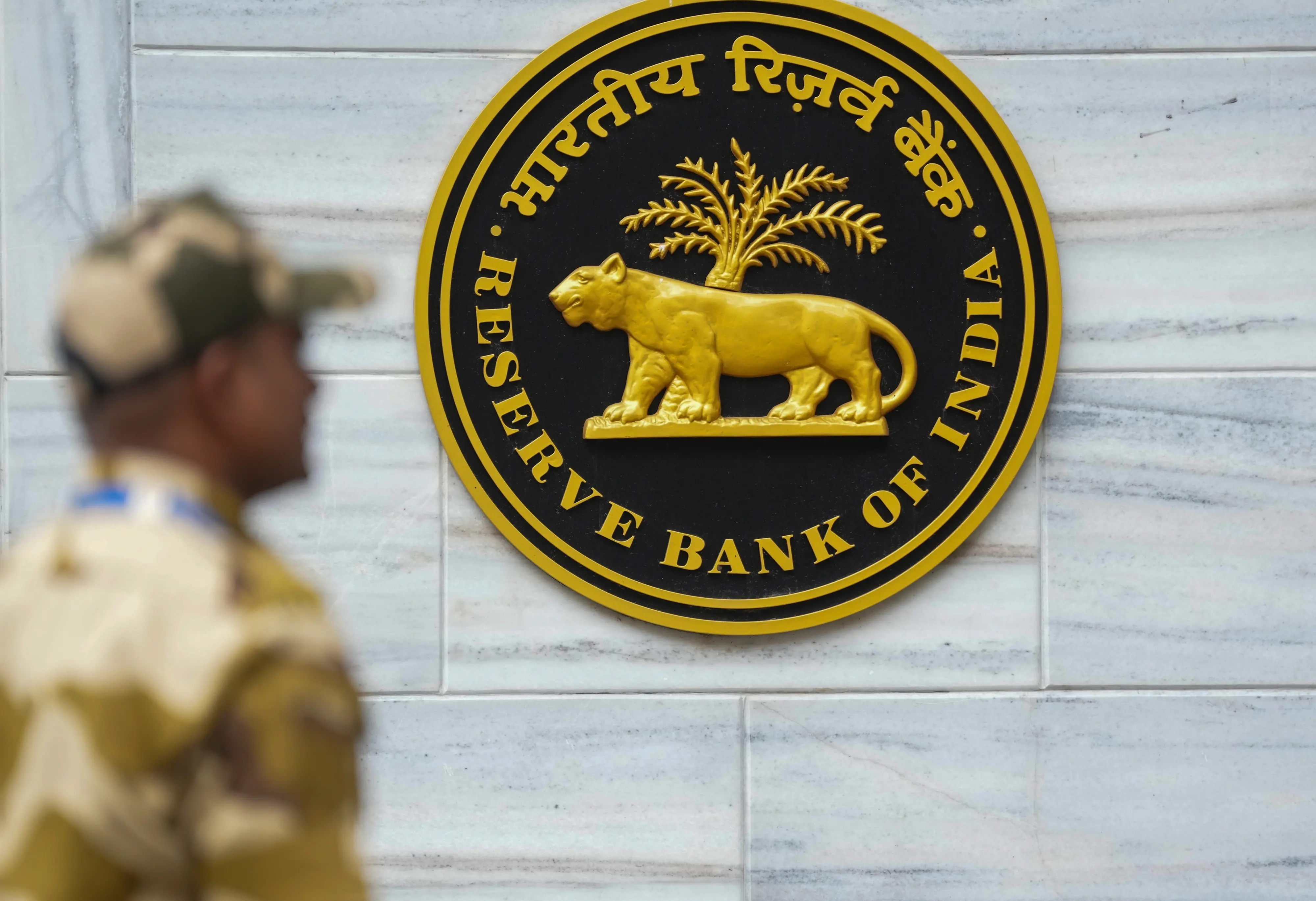
New Delhi: The Reserve Bank of India (RBI) has introduced draft rules aimed at simplifying and speeding up the settlement of claims on the bank accounts and lockers of deceased customers.
The draft circular, titled "Reserve Bank of India (Settlement of Claims in respect of Deceased Customers of Banks) Directions, 2025", has been released for public feedback, with comments invited until August 27.
As per the proposal, banks will be required to use standardised claim forms and related document formats for nominees or legal heirs. These forms, along with a list of necessary documents and step-by-step claim settlement procedures, will be made available in all bank branches and on their official websites.
The draft specifies that where a nominee is named in a deposit account or locker, they must submit a claim form, the deceased customer’s death certificate, and proof of their own identity and address.
In cases without a nomination, banks will follow a simplified process to minimise inconvenience for legal heirs.
Banks will also need to set a minimum claim threshold of ₹15 lakh. For claims up to this amount, documents such as an indemnity bond and a no-objection letter from other legal heirs will be required. For claims exceeding this limit, additional legal documents like a succession certificate or legal heir certificate will be necessary.
The RBI has set a settlement timeline, directing banks to complete the process within 15 calendar days of receiving all required documents.
For lockers or articles in safe custody, banks must issue a communication within 15 days to schedule an inventory of the contents.
If banks delay the settlement of deposit-related claims beyond the deadline due to their own fault, they will have to pay compensation in the form of interest -- at a rate not less than the prevailing Bank Rate plus 4 per cent per annum -- for the period of delay.
In the case of lockers or articles in safe custody, compensation will be ₹5,000 for each day of delay.
IANS