Ratha Yatra 2026: Date, puja timings, rituals, traditions and spiritual significance explained
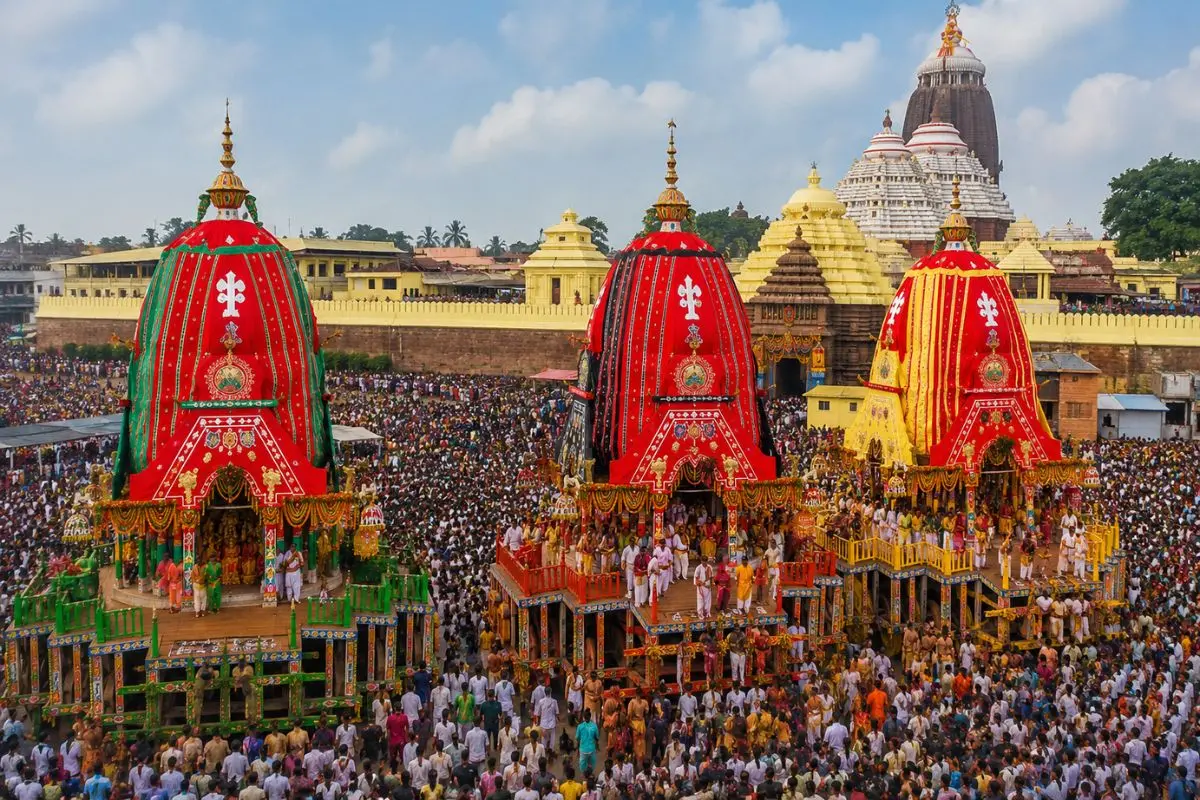
One of India's most revered Hindu festivals, Ratha Yatra, also known as Jagannath Rath Yatra, will be celebrated on Thursday, July 16, 2026.
The annual festival, centred in Puri, Odisha, commemorates the ceremonial journey of Lord Jagannath, along with his elder brother Lord Balabhadra and sister Devi Subhadra, from the Jagannath Temple to the Gundicha Temple aboard magnificent wooden chariots.
The festival is one of the rare occasions when devotees can witness the deities outside the sanctum of the Jagannath Temple.
Lakhs of devotees gather to pull the towering chariots with sacred ropes, believing that participating in the procession brings divine blessings, prosperity and spiritual liberation.
Ratha Yatra 2026: Date and auspicious timings
According to the Hindu Panchang, Ratha Yatra falls on Ashadha Shukla Dwitiya.
- Festival date: Thursday, July 16, 2026
- Dwitiya Tithi begins: 11:50 am, July 15, 2026
- Dwitiya Tithi ends: 8:52 am, July 16, 2026
Major rituals of Ratha Yatra
- The celebrations begin with the Pahandi ritual, during which the deities are ceremoniously carried from the Jagannath Temple to their respective chariots amid devotional chants, music and celebrations.
- Another important ritual is Chhera Pahanra, where the Gajapati King of Puri symbolically sweeps the chariots with a golden broom. The ceremony signifies humility and reinforces the belief that everyone is equal before the Almighty.
- The grand procession then begins as the three chariots make their way to the Gundicha Temple, where the deities stay for several days before returning to the Jagannath Temple during Bahuda Yatra.
Important dates
- Ratha Yatra: July 16, 2026
- Hera Panchami: July 20, 2026
- Bahuda Yatra (Return Journey): July 24, 2026
- Suna Besha: July 25, 2026
- Niladri Bije: July 27, 2026
Spiritual significance
Ratha Yatra symbolises Lord Jagannath stepping out of his temple to bless all devotees, regardless of caste, creed or social status.
The festival reflects the values of equality, compassion and devotion, while the act of pulling the sacred chariots is considered a path to spiritual merit and divine grace.
Although the grandest celebrations take place in Puri, Ratha Yatra is observed across India and in many countries worldwide through ISKCON temples and Hindu communities, making it one of the world's largest and most celebrated religious processions.