Andaman and Nicobar protection petition: Rahul Gandhi calls for public support
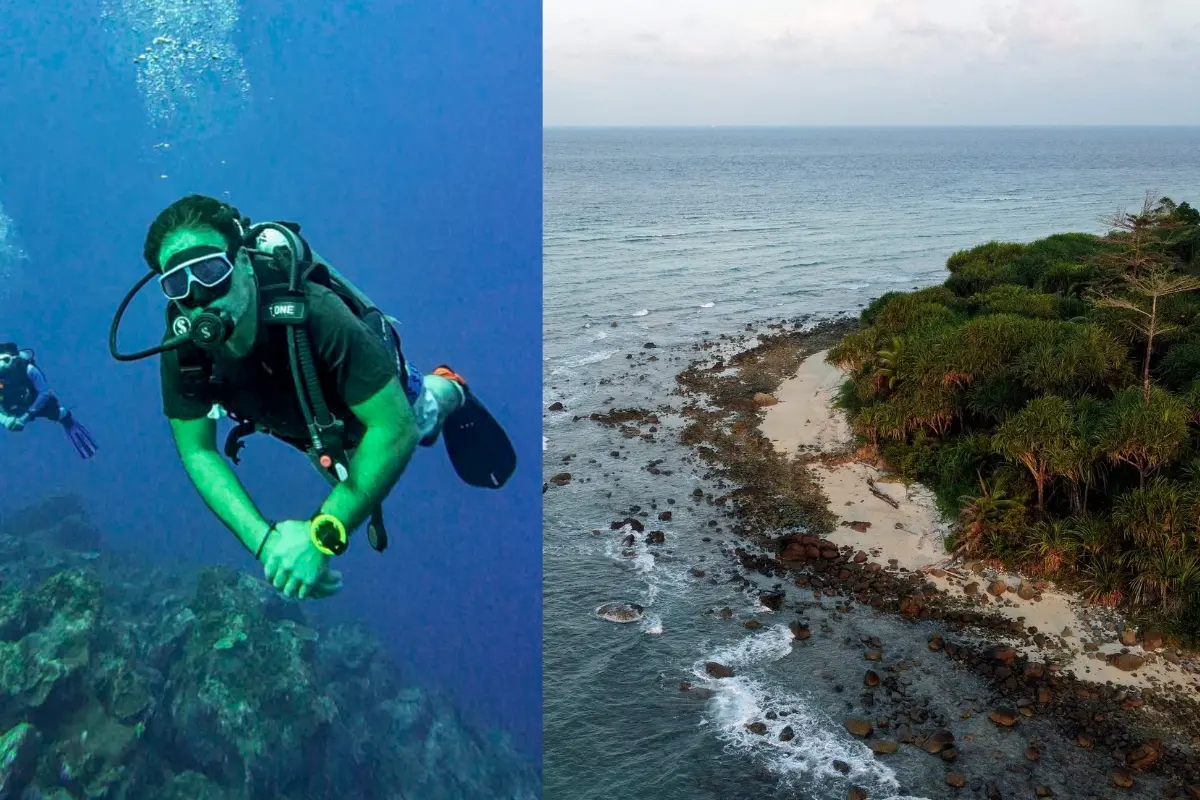
The Great Nicobar Island project has triggered a major political and environmental debate after Congress leader Rahul Gandhi raised concerns over ecological damage, even as the Centre maintains that the project is strategically important and environmentally regulated.
Congress leader and Lok Sabha Leader of Opposition Rahul Gandhi has criticised the proposed Great Nicobar Island development project, alleging that it could lead to large-scale ecological damage in one of India’s most sensitive regions.
In a social media post on World Environment Day, Gandhi said the project could result in deforestation, coral reef loss, and displacement of local communities, including tribal groups. He also shared a video of his recent visit to the Andaman and Nicobar Islands, where he highlighted environmental concerns linked to large-scale infrastructure expansion.
He has also urged citizens to sign a petition calling for stronger environmental protection in the island region.
What is the Great Nicobar project?
The Great Nicobar Island project refers to a large-scale infrastructure plan proposed for the southernmost island of India, aimed at expanding strategic and economic presence in the Indian Ocean region.
The plan includes a transshipment port, an international airport, township development, and associated infrastructure. The project is positioned as part of India’s broader maritime and strategic development efforts, given its proximity to key global shipping routes near the Strait of Malacca.
Government’s stated objectives
The Centre has consistently maintained that the project is designed to strengthen India’s strategic and economic footprint in the Indian Ocean region.
Officials argue that the development will improve maritime connectivity, boost trade efficiency, and enhance national security capabilities in a geopolitically sensitive zone.
The government has also stated that environmental clearances have been granted through established regulatory processes, including assessments by relevant authorities such as the National Green Tribunal and environmental impact review mechanisms.
Environmental and ecological considerations
Great Nicobar is known for its rich biodiversity, including tropical rainforests, coral reef ecosystems, and endemic species. Environmental experts and activists have raised concerns that large-scale construction could impact fragile ecosystems, including forest cover and marine habitats.
Issues often highlighted in public discussions include:
- Potential loss of forest land
- Impact on coral reef ecosystems
- Disturbance to indigenous tribal communities
- Changes in coastal and marine biodiversity
At the same time, project planning documents and official statements have indicated that environmental mitigation measures and phased development strategies are part of the proposed execution framework.
Tribal and local community concerns
The island is home to indigenous tribal communities, and concerns have been raised in public debates about the impact of development on their land rights, cultural identity, and traditional lifestyles.
The administration has stated that rehabilitation frameworks, legal safeguards, and consultation processes are part of the development plan, though concerns continue to be discussed in civil society and political discourse.
Political exchange over the project
The issue has also become a political flashpoint. While Rahul Gandhi has criticised the project and raised concerns about ecological impact, the ruling Bharatiya Janata Party has rejected these allegations.
BJP representatives have argued that the project is strategically important, located near key global maritime routes, and backed by necessary environmental approvals. They have also stated that India cannot avoid infrastructure expansion in strategically significant regions.
Great Nicobar lies close to the Strait of Malacca, one of the world’s busiest shipping lanes. This has made the region strategically important for maritime security and international trade.
Supporters of the project highlight its potential role in strengthening India’s naval presence and improving logistical capabilities in the Indian Ocean region.
Ongoing debate
The Great Nicobar project continues to remain under discussion, balancing two key priorities: environmental protection and strategic infrastructure development.
As public debate grows, the project is expected to remain a significant policy and political issue, with both ecological and geopolitical dimensions shaping its future trajectory.