New anti-paper leak law explained: What changes, who will be punished and can it stop exam fraud?
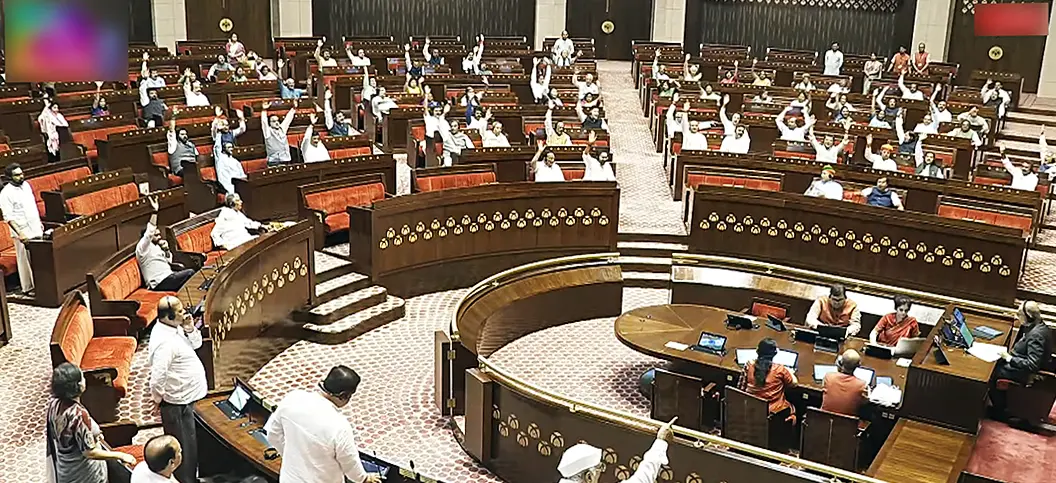
Union Minister Dr Jitendra Singh is set to introduce the Public Examinations (Prevention of Unfair Means) Amendment Bill, 2026 in the Lok Sabha on Monday, July 27.
The proposed legislation seeks to amend the Public Examinations (Prevention of Unfair Means) Act, 2024, which was introduced to tackle cheating, paper leaks and other unfair practices in major government examinations.
The move comes after weeks of student protests over alleged irregularities in competitive examinations, particularly the NEET-UG paper leak controversy. The issue gained further political attention after the resignation of Union Education Minister Dharmendra Pradhan following sustained protests led by the Cockroach Janta Party (CJP).
What changes does the new bill propose?
The amendment bill proposes significantly stricter punishments for individuals, organised groups and service providers involved in examination malpractice.
Harsher punishment for individuals
Under the proposed changes:
- Minimum imprisonment for individuals involved in paper leaks or unfair means will increase from three years to five years.
- The maximum jail term will remain up to 10 years.
- Fines can go up to ₹50 lakh.
- Tough action against organised paper leak networks
- For organised crimes involving examination malpractice:
- Minimum imprisonment proposed is seven years.
- Maximum fine can go up to ₹10 crore.
The government aims to target organised networks involved in leaking question papers, manipulating examination processes and exploiting students.
Fast-track courts for paper leak cases
One of the major changes proposed in the bill is the creation of a faster judicial process.
The bill proposes:
- Special fast-track courts in every state and Union Territory.
- Trials to be completed within three months after filing of the chargesheet.
- Day-to-day hearings for faster disposal of cases.
- Investigations to be completed within two months.
The move is aimed at ensuring that cases involving examination fraud do not remain pending for years.
Special Task Force to investigate major cases
The amendment also allows the Centre to create a Special Task Force (STF) whenever required for investigation of examination-related offences.
The STF will focus on handling complex cases involving organised cheating networks, technology misuse and large-scale paper leaks.
Action against exam service providers
The bill also increases accountability for private agencies and service providers involved in conducting examinations.
Proposed measures include:
- Fines up to ₹5 crore.
- Debarment period increased from four years to eight years.
- Greater responsibility for maintaining examination security standards.
- What offences will come under the new law?
- The proposed amendment covers several illegal activities, including:
- Leakage of question papers
- Tampering with OMR sheets
- Creating fake websites
- Issuing fake admit cards
- Manipulating examination systems
- Unauthorised access to examination materials
The government has stated that the law is aimed at protecting the fairness and transparency of public examinations.
Why was this bill brought now?
The move follows months of debate over examination security after allegations of irregularities in competitive examinations.
Student groups demanded stronger accountability, transparency and reforms in the examination system. The issue intensified after the CJP organised a prolonged protest at Jantar Mantar and Sonam Wangchuk undertook a 26-day hunger strike.
Prime Minister Narendra Modi had earlier promised stronger legal action against those involved in paper leaks and announced steps to establish fast-track courts for such cases.
What happens next?
The bill has been listed for introduction, consideration and passage in the Lok Sabha on Monday. However, its passage will depend on discussions between the government and opposition parties.
The Opposition's position on the proposed amendments remains under discussion, with Leader of Opposition Rahul Gandhi saying decisions would be taken based on consensus.
If passed, the amendment will become a major step in restructuring India's examination security system and addressing concerns raised by millions of students.
The Public Examinations Amendment Bill comes at a crucial moment when the government faces intense scrutiny over trust in India's examination system. After the student protests and political pressure that led to Dharmendra Pradhan's resignation, the Centre is under pressure to prove that stronger laws will translate into stronger accountability. The success of the new framework will depend not just on tougher punishments, but on transparent implementation and restoring students' confidence in a fair examination process.