India's rooftop solar revolution: PM Surya Ghar Scheme achieves major milestone
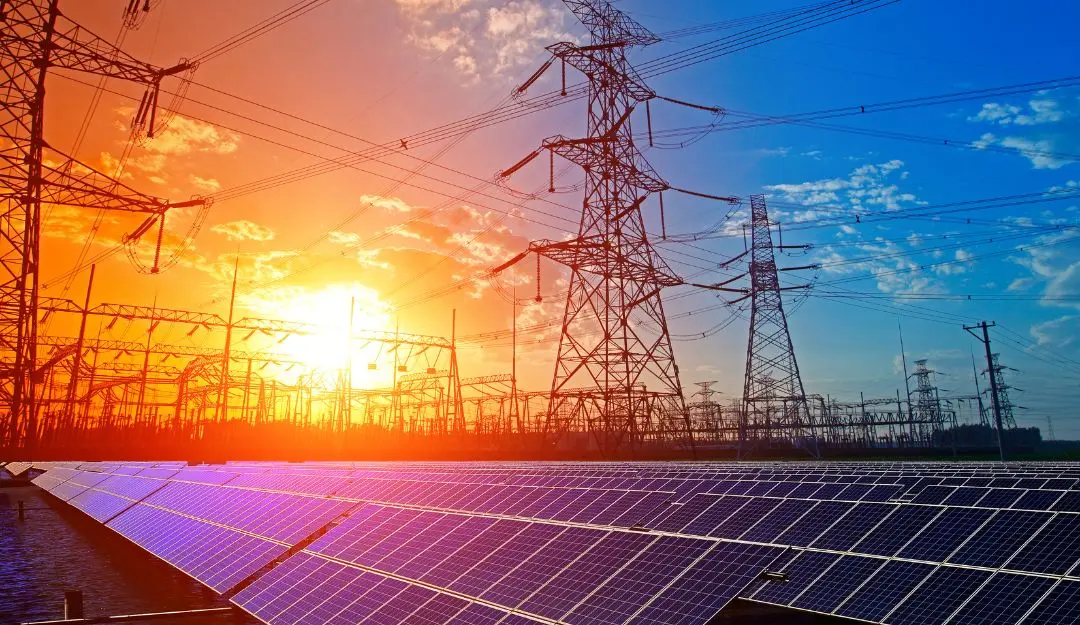
New Delhi: The PM Surya Ghar Muft Bijli Yojana is reshaping India’s residential power sector, with more than 7.7 lakh households already reporting zero electricity bills after installing rooftop solar systems, the Ministry of New and Renewable Energy said on Tuesday.
Launched in February 2024, the flagship solar rooftop scheme aims to make clean and affordable energy accessible to households while significantly reducing monthly power expenses.
In a written reply in the Rajya Sabha, Union Minister of State for New and Renewable Energy Shripad Yesso Naik said that as of December 9, a total of 19,45,758 rooftop solar systems have been installed across the country, benefitting 24,35,196 households under the scheme.
The PM Surya Ghar Muft Bijli Yojana targets the installation of rooftop solar systems in one crore households in the residential sector by 2026–27, with a total financial outlay of Rs 75,021 crore. The programme is a key pillar of India’s push towards energy self-reliance and its broader renewable energy transition.
Gujarat has emerged as the top-performing state, recording over 4.93 lakh rooftop solar installations that have benefitted more than 7.10 lakh households. Of these, over 3.62 lakh consumers are now receiving zero electricity bills, the ministry said.
States such as Andhra Pradesh, Assam and Haryana have also shown steady progress, with thousands of households adopting solar rooftop power under the scheme.
To make rooftop solar financially accessible, the government is providing Central Financial Assistance (CFA) along with collateral-free loans at a concessional interest rate of 5.75 per cent. These measures are aimed at lowering upfront installation costs and boosting participation, especially among rural households and economically weaker sections.
The ministry has also issued guidelines for rooftop solar installations under the Utility-Led Aggregation and RESCO models, designed to reduce financial and operational barriers and accelerate the adoption of clean energy solutions nationwide.
IANS