‘A direct assault on our Constitution...’; PM Modi on emergency anniversary
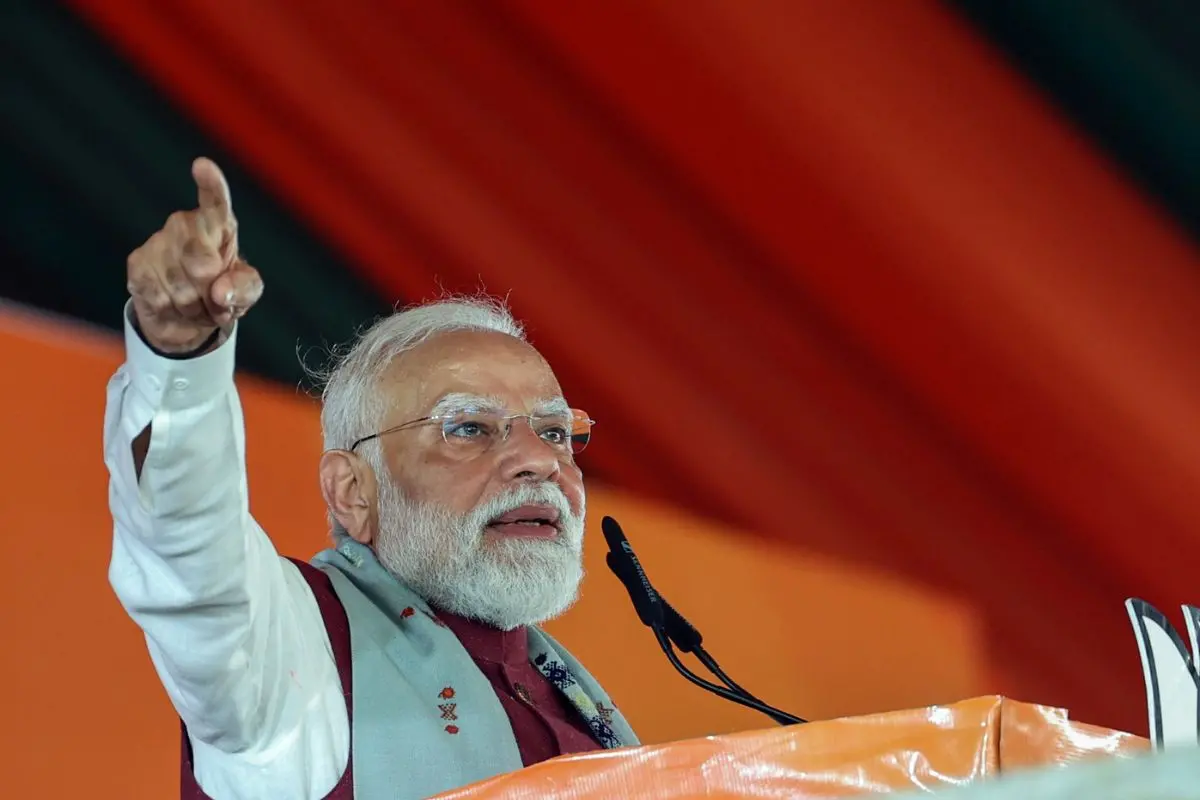
New Delhi: Prime Minister Narendra Modi on Thursday paid tribute to those who resisted the Emergency imposed in 1975, describing it as one of the darkest periods in India's democratic history and reaffirming the government's commitment to constitutional values.
Marking the 51st anniversary of the Emergency, Modi said the period witnessed a systematic assault on democratic institutions and civil liberties.
“Today, we pay homage to all those who steadfastly defended democratic values during one of the darkest chapters in India’s history, the Emergency. The Emergency was a direct assault on our Constitution. It witnessed the suspension of civil liberties, curbs on freedom of expression, arrests of political leaders, journalists, social workers and an assault on institutions that are the bedrock of our democracy,” he wrote in X.
The Prime Minister also highlighted the role played by ordinary citizens who opposed the Emergency despite the risks involved.
“At the same time, it also revealed the extraordinary courage of countless citizens who refused to remain silent and upheld the ideals enshrined in our Constitution.”
Reiterating the importance of the Constitution, Modi said it reflected the aspirations and rights of India's people and called for renewed commitment to its principles.
“For all of us, our Constitution is an embodiment of the aspirations, rights and duties of 140 crore Indians. We reaffirm our collective commitment to safeguarding constitutional values. Guided by the spirit of our Constitution, we will build an India that remains ever committed to justice, liberty, equality and fraternity,” Modi added.
Defence Minister Rajnath Singh also remembered the Emergency as a dark chapter in the country's democratic journey, saying it served as a reminder of the dangers posed by authoritarianism.
“On this day in 1975, the Emergency was imposed in India. The Emergency remains one of the darkest chapters in the history of Indian democracy. During that period, freedom of speech and expression was curtailed, attempts were made to control and undermine the judiciary, and the rights of millions of citizens were violated.”
Singh said the events of 1975 underscored the need to protect democratic institutions and citizens' rights.
“The Emergency reminds us that when those in power become authoritarian, the lives of citizens, democratic institutions, and constitutional values come under serious threat. Therefore, this day is not only an occasion to remember the past, but also an opportunity to reaffirm our commitment to democracy, the Constitution, and the rights and freedoms of citizens.”
He said the Narendra Modi-led government remained committed to strengthening democratic institutions and upholding constitutional principles.
“Our government, under the leadership of Prime Minister Narendra Modi, remains firmly committed to upholding the Constitution in both letter and spirit and to strengthening India's democratic institutions. The nation remains indebted to all those who stood against the injustices and excesses of the Emergency and courageously defended democracy and the Constitution,” Singh posted on X.
The Emergency was proclaimed on June 25, 1975, by then President Fakhruddin Ali Ahmed under Article 352, citing "internal disturbance." It remained in force until March 21, 1977. The period saw the suspension of fundamental rights, arrests of opposition leaders, press censorship and controversial policies including mass sterilisation drives, according to the Shah Commission reports.
The BJP has consistently criticised the Emergency and last year marked its 50th anniversary as "Samvidhan Hatya Diwas" (Constitution Murder Day).