OPS, Jayalalithaa’s Man Friday: Why his DMK shift could sway TN polls
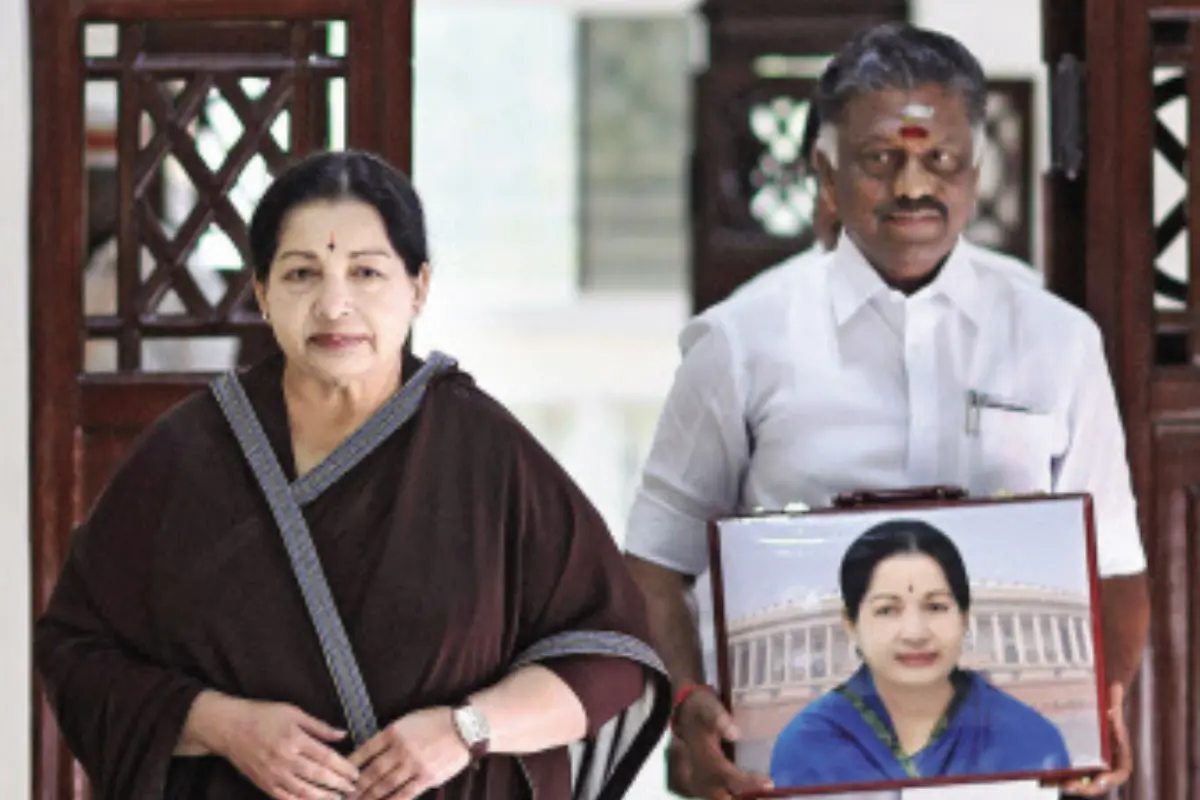
Once derided as the “permanent stand-in” who held office only in the absence of his leader and mentor Jayalalithaa, former Tamil Nadu Chief Minister O. Panneerselvam now finds himself at the centre of a potentially consequential political realignment.
The man who rose through the ranks on unwavering loyalty to late J. Jayalalithaa has now joined her party’s arch rival, the Dravida Munnetra Kazhagam (DMK), in a move that could reshape the contours of the 2026 Assembly election.
From tea stall to Chief Minister’s chair
Panneerselvam’s political story has long been framed as one of chance, circumstance and absolute loyalty. A member of the dominant Mudukulathor community, he emerged from modest beginnings in Periyakulam, where his family still runs the tea stall that once supported him.
A first-time MLA and minister in 2001, he was entrusted with the Revenue portfolio, an early sign of Jayalalithaa’s confidence. Over time, he was given key departments, including Finance and PWD, cementing his status as a dependable lieutenant.
Also read | DMK reluctant to go beyond 25 seats for Congress ahead of Tamil Nadu polls
His defining political role, however, was as the leader who stepped in when Jayalalithaa could not hold office. He became Chief Minister in 2001 and 2014 after her convictions, and again in 2016 following her death. Each time, he relinquished power without resistance when she returned, acts that built his reputation as her most loyal political soldier.
From loyalist to sidelined leader
After Jayalalithaa’s demise, that loyalty did not translate into control of the party. In the post-2016 power struggle, Panneerselvam lost ground to Edappadi K. Palaniswami, eventually being expelled from the AIADMK and pushed into political isolation.
His subsequent alliance with the Bharatiya Janata Party brought little reward. Despite contesting the 2024 Lok Sabha polls as part of the NDA, he reportedly failed to secure meetings with Prime Minister Narendra Modi or Home Minister Amit Shah during their Tamil Nadu visits, seen as a signal that the BJP was prioritising ties with Palaniswami’s AIADMK.
Also read | ‘TN must be governed from Fort St George, not Delhi’: MK Stalin pitches state vs NDA battle
Disillusioned, Panneerselvam exited the NDA and opened channels with Chief Minister MK Stalin, praising welfare schemes such as the breakfast programme and signalling a political thaw between former adversaries.
Why DMK wants OPS
For the DMK, Panneerselvam offers more than symbolism. He brings:
- A residual AIADMK vote base, particularly in the southern districts
- Caste arithmetic, with influence among sections of the Thevar/Mudukulathor community
- A Jayalalithaa legacy link, useful in blunting AIADMK’s emotional appeal
His camp has already begun echoing DMK talking points, with loyalists publicly endorsing Stalin’s leadership and predicting his return to power.
Symbolism vs substance
Many argue that Panneerselvam’s organisational strength has eroded and that his personal vote bank is limited. Yet Tamil Nadu politics has often been shaped by perception and legacy as much as by numbers.
For the DMK, absorbing Jayalalithaa’s once-trusted aide is a psychological victory, projecting the narrative that the AIADMK’s old guard is drifting toward Stalin.
For Panneerselvam, the move represents a final attempt at political relevance after years in the wilderness.
Tamil Nadu’s 234-member Assembly will go to the polls in the first half of 2026. The DMK-led alliance, which won 159 seats in 2021, is seeking a second term under the “Dravidian Model 2.0” plank.