October 2025 celestial events: From super harvest moon to meteor showers; check details, timings
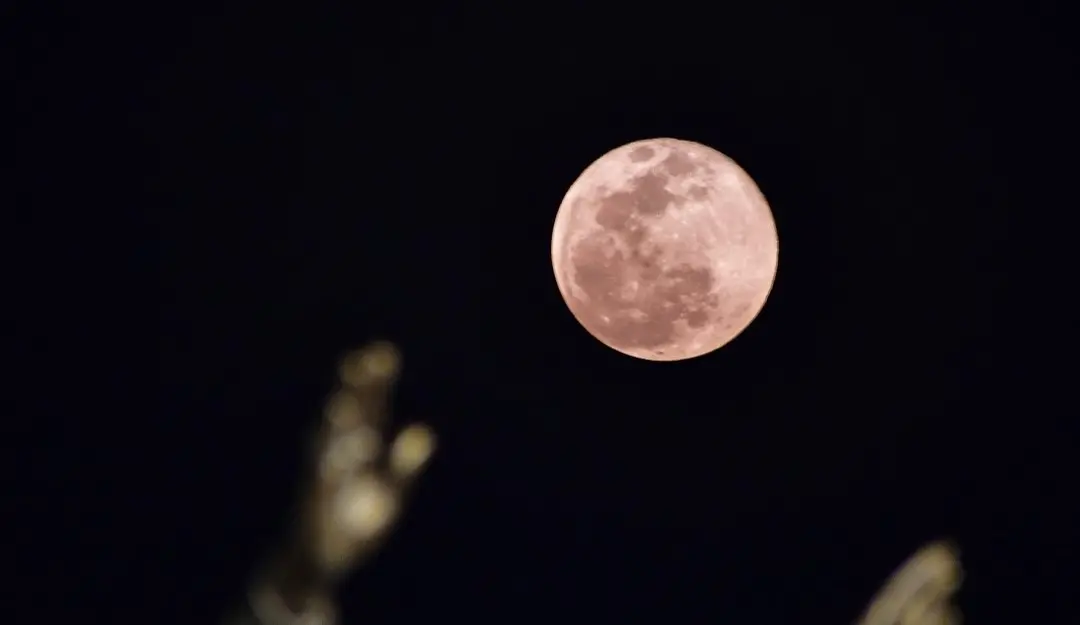
Mumbai: October, the tenth month of 2025, promises to be a treat for stargazing lovers, with the night sky offering spectacular cosmic shows. From the dazzling Super Harvest Moon to shooting stars lighting up the horizon, here’s a roundup of must-watch celestial events this month.
Key Celestial Highlights in October 2025
Andromeda Galaxy (M31) – October 2: The Andromeda Galaxy, our closest galactic neighbour, will be visible under dark skies around midnight. While telescopes are recommended for better viewing, keen eyes may spot it without aid in very dark conditions. On the same night, the dwarf planet Ceres will shine brightly in the constellation Cetus.
Moon Meets Saturn & Neptune – October 5-6: On these nights, the nearly full Moon will align with Saturn, appearing just 3.3° apart in the sky. Neptune will also be nearby, though binoculars or a telescope will be needed to view it clearly.
Super Harvest Moon – October 6-7: October’s full moon, also called the Super Harvest Moon, will appear brighter and larger as it reaches its closest point to Earth (perigee). It will hit full phase at 03:48 GMT on October 7, rising just after sunset with a golden glow.
Draconid Meteor Shower – October 6-10 (Peak: October 8): The Draconids will peak on October 8, though moonlight may interfere with visibility. The shower originates from the debris of Comet 21P/Giacobini-Zinner.
Moon & the Pleiades Cluster – October 10: The Moon will pass near the Pleiades star cluster (Messier 45), also called the "Seven Sisters," with less than a degree of separation. Though only six stars are visible unaided, the cluster contains over 1,000 stars.
Triangulum Galaxy (M33) – October 15: Best seen in very dark skies, the Triangulum Galaxy may be faintly visible to the naked eye. A telescope will reveal its beautiful spiral structure.
Moon with Venus & Mercury near Mars – October 19: Before dawn on October 19, the Moon and Venus will appear less than four degrees apart. Meanwhile, Mercury and Mars will also be visible close to each other.
Orionid Meteor Shower – October 20-21: Peaking under the dark skies of the New Moon, the Orionids promise 15–20 meteors per hour. This will be one of the best meteor showers of the month.