'Not compromising with nation's pride...' Congress invokes Indira after Trump-brokered ceasefire
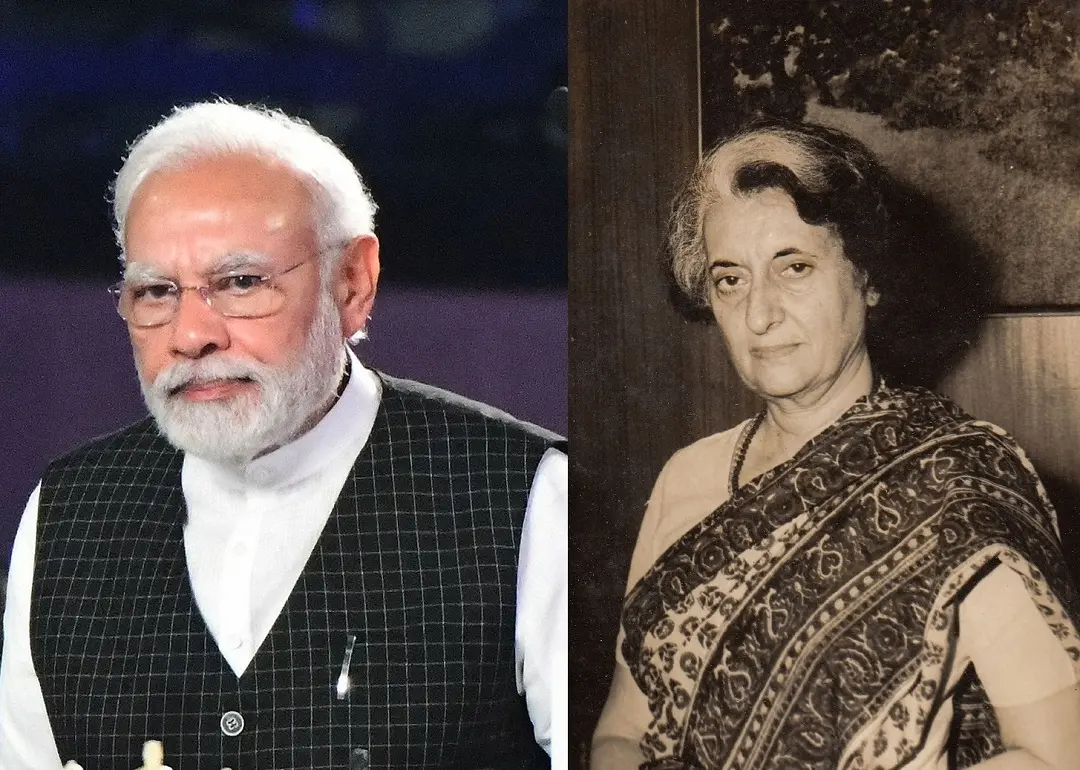
New Delhi: Amid mixed reactions over the recent ceasefire agreement between India and Pakistan, the Congress party took to social media to evoke former Prime Minister Indira Gandhi’s legacy of strength and resolve during the 1971 war with Pakistan.
In a post featuring a photograph of Indira Gandhi with then-U.S. President Richard Nixon, the Congress quoted her powerful words:
“We have our backbones straight, enough will & resources to fight all atrocities. Times have passed when any nation sitting 3 or 4 thousand miles away could give orders to Indians on the basis of colour superiority to do as they wished.”
"PM Indira Gandhi to US President Richard Nixon...That was courage, that was standing up for India, that was not compromising with the nation’s pride," the post read.
The Congress post came shortly after India agreed to a U.S.-brokered ceasefire with Pakistan, a decision that has drawn mixed reactions online.
In 1971, when Gandhi visited Washington, Nixon showed little empathy for India’s concerns over the humanitarian crisis in East Pakistan, where the Pakistani military's actions had driven millions of refugees into Indian territory. Nixon's private remarks, as recorded by then-Secretary of State Henry Kissinger, were described as unprintable.
Foreseeing limited support from the West, India had already secured strategic backing from the Soviet Union. In August 1971, the two countries signed the Indo-Soviet Treaty of Peace, Friendship and Cooperation. Later that September, Soviet leaders Brezhnev and Kosygin assured Gandhi of military assistance if conflict became inevitable.
When Pakistan launched airstrikes on nine Indian airbases on December 3, Gandhi, who was addressing a rally in Kolkata at the time, called an emergency cabinet meeting. That night, she addressed the nation, declaring: “This is a war forced on us.”
On December 4, India responded with a full-fledged offensive. Two days later, Gandhi formally recognised Bangladesh as an independent nation. In reaction, the U.S. deployed its Seventh Fleet to the Bay of Bengal, while China issued warnings. However, a Soviet naval task force countered the American presence, helping to prevent further escalation.
Finally, on December 16, 1971, India secured a historic victory. Army Chief General Sam Manekshaw called Indira Gandhi to report the liberation of Dhaka and the unconditional surrender of Pakistani forces, cementing her place in history as a leader who stood firm under pressure.
The Congress’s reminder of this legacy serves as both a critique of the present and a nostalgic nod to an era when India refused to compromise its strategic goals under foreign influence.