A flight every two minutes? When will Noida airport begin operations and how busy will it be?
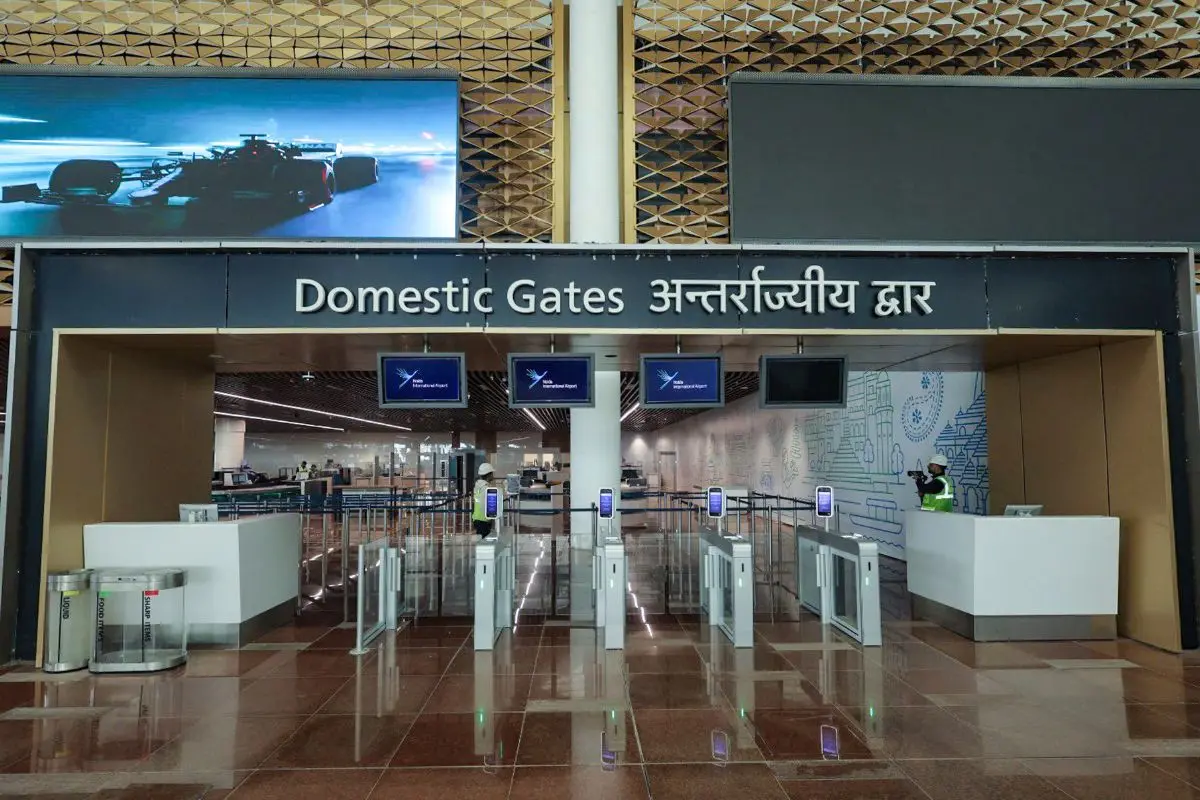
Positioned as a major new aviation hub for northern India, Noida International Airport at Jewar is preparing to begin commercial operations in the coming weeks, combining infrastructure built for all-weather reliability with a strong focus on rapid passenger processing. As flight services draw closer, the airport is expected to play a crucial role in easing congestion in the Delhi-NCR region while improving connectivity across domestic and international routes.
PM Narendra Modi on Saturday inaugurated the first phase of the Noida International Airport, marking a significant milestone in India’s aviation infrastructure development.
The Prime Minister was accompanied by Yogi Adityanath, Union Civil Aviation Minister Kinjarapu Ram Mohan Naidu, and other dignitaries during the ceremony. Extensive security arrangements were put in place ahead of the high-profile visit.
PM Modi said that Noida International Airport will connect north India to the entire world and it will become an airport from where a flight will take off every two minutes.
How is the airport designed to handle fog and low visibility?
A defining feature of Noida International Airport is its readiness for operations in challenging weather conditions, particularly the dense winter fog that frequently disrupts flights across north India. The airport’s 3,900-metre runway (10/28) is equipped with Instrument Landing System (ILS) technology at both ends, allowing aircraft to land from either direction based on wind conditions.
The ILS offers both lateral guidance — keeping aircraft aligned with the runway centreline — and vertical guidance through glide slope signals, ensuring a controlled descent even when visibility is poor. This enables pilots to rely on cockpit instruments rather than external visual cues during landing.
The system has been rigorously tested through calibration flights and validation checks to ensure precision and seamless integration with air traffic control. Complementing this is an advanced aeronautical ground lighting system, including approach and runway lighting, which supports safe operations at night and in reduced visibility. While the airport has been cleared for “all-weather operations”, the specific ILS category determining minimum landing visibility has not been disclosed.
When will commercial flight operations begin?
The airport received its aerodrome licence from the Directorate General of Civil Aviation (DGCA) on 6 March 2026, marking a key milestone ahead of launch. Based on the project timeline, domestic and cargo operations are expected to commence within 45 days of this approval.
This places the likely start of commercial services between mid-April and May 2026. International operations are expected to follow later, with earlier indications pointing to a rollout around September.
Ticket sales are also expected to open in phases — domestic bookings approximately six weeks before launch, and international tickets around 90 days ahead of the start of overseas operations.
Which routes are likely in the first phase?
Although final flight schedules have not yet been confirmed, initial services are expected to prioritise domestic connectivity to major metro cities. Routes to destinations such as Mumbai, Bengaluru and Hyderabad are likely to feature in the early phase, alongside other key domestic sectors.
Earlier plans had outlined a mix of domestic, international and cargo flights at launch, including proposed international connections to cities such as Zurich, Singapore and Dubai. However, international routes are now expected to be introduced after domestic services stabilise.
The total number of flights in the first phase remains unconfirmed, though operations are expected to scale up gradually.
How will passenger processing be streamlined?
Efficiency inside the terminal is a central element of the airport’s design. The operator has outlined a system aimed at reducing passenger dwell time, with a target of completing check-in and baggage drop within 10 minutes.
This will be facilitated through self-service kiosks, digital processing tools and a layout designed to minimise congestion. The approach is intended to support high passenger volumes while maintaining a smooth and predictable travel experience.
What role will it play in the region’s aviation network?
Noida International Airport is expected to emerge as a key secondary gateway for the Delhi-NCR region, addressing both capacity constraints and weather-related disruptions at existing airports. With demand for air travel continuing to rise, the new facility is designed to complement current infrastructure while enhancing operational resilience.
As services ramp up, the airport is set to expand connectivity for north India, linking the region more efficiently to major domestic destinations and, eventually, to global routes.