How to pay your toll without a FASTag: A guide to new UPI alternative, but here’s the catch
New Delhi:
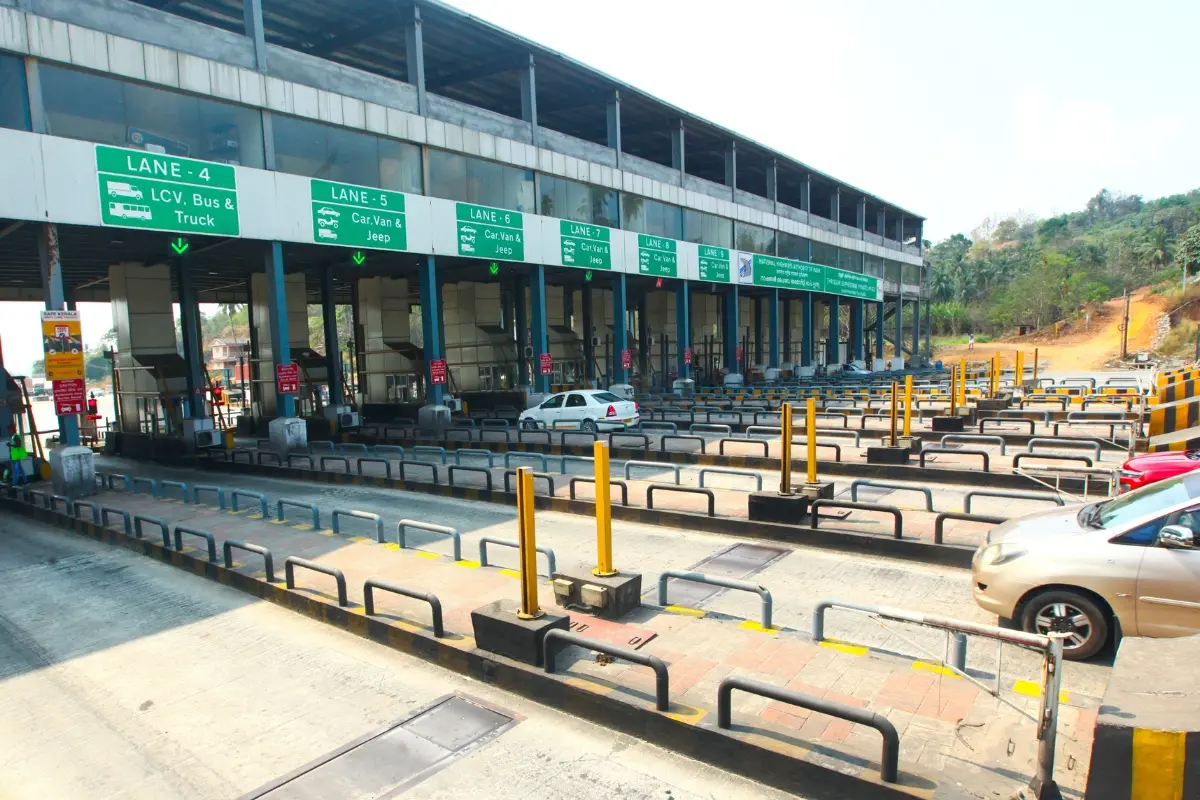
The National Highways Authority of India (NHAI) has proposed a definitive transition to a cashless tolling ecosystem, mandating that all transit fees across the country's 1,150-plaza network be settled exclusively through digital channels starting April 1, 2026.
The move marks the final phase of India’s highway modernisation project, removing the physical currency option entirely to resolve chronic congestion and transparency issues. For commuters accustomed to cash, the NHAI has outlined a multi-tiered digital framework designed to maintain seamless movement.
FASTag: The Primary RFID Gateway
The cornerstone of the new mandate remains the FASTag, an RFID-enabled sticker that has already achieved a 98 per cent penetration rate among Indian motorists.
- Contactless Transit: FASTag allows vehicles to bypass traditional barriers without stopping, as sensors at the plaza automatically debit the toll amount from a linked prepaid account or bank.
- Cost Efficiency: Under the new regulations, FASTag remains the most economical way to travel. While other digital methods may carry surcharges, FASTag users will continue to pay the standard baseline user fee.
UPI as the Universal Alternative
Recognising the need for a fallback for motorists with deactivated tags or insufficient balances, the NHAI has integrated Unified Payments Interface (UPI) options at every toll lane nationwide.
- QR-Based Clearance: Commuters can settle their toll by scanning dynamic QR codes displayed at the booth or handheld by plaza attendants.
- Premium Pricing: While UPI provides a vital digital alternative to cash, it comes with a convenience surcharge. Currently, users opting for UPI are charged 1.25 times the standard fee, a measure intended to incentivise the adoption of the more efficient, non-stop FASTag system.
Operational Impact and Penalties
The NHAI stated that the elimination of cash is primarily a tool for "lane throughput" optimisation. Internal assessments confirmed that manual currency handling remains the leading cause of bottlenecks and transaction disputes.
- The "Double Fee" Penalty: Previously, motorists without functional tags were permitted to pay double the fee in cash. Beginning April 1, that physical payment window will close. Vehicles arriving at a plaza without a digital payment method will be required to resolve their balance via UPI or immediate tag recharge before being permitted to pass.
- Enhanced Transparency: By digitising the remaining 2 per cent of transactions, the NHAI expects to eliminate the accounting leaks and safety concerns associated with storing physical currency at isolated highway locations.
Preparing for the Shift
The mandate applies to all National Highways and Expressways. The NHAI has advised commuters to check the status of their FASTags via the "My FASTag" app or their respective banking portals well ahead of the April deadline to avoid transit delays. "A complete transition to digital-only mode will strengthen operational efficiency and enhance the overall user experience," the authority said in a statement.
With inputs from PTI