New ISIS playbook pushes cheap drones for lone-wolf terror ops
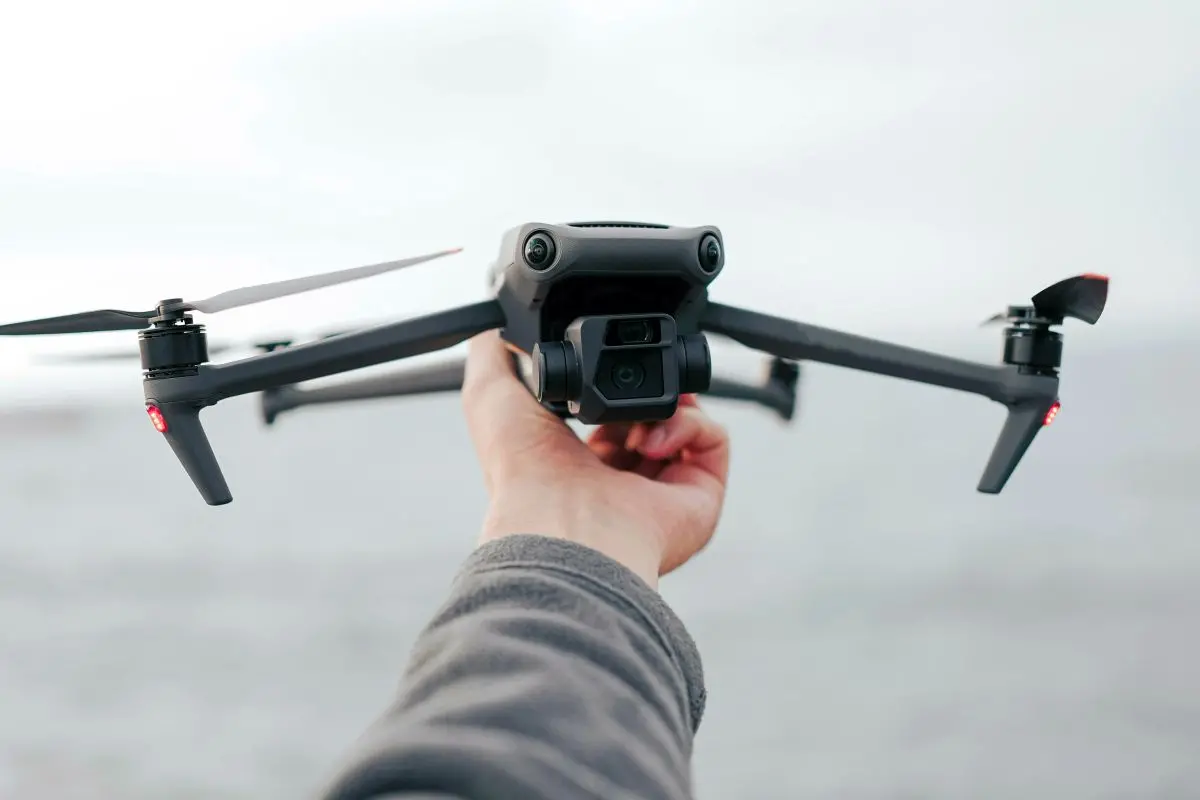
Terror groups like the Islamic State (ISIS) are ramping up calls for lone-wolf attackers to weaponize everyday commercial drones, turning backyard toys into tools of reconnaissance, bombings, and chemical attacks. Their propaganda machine highlights cheap, off-the-shelf (COTS) drones -- mass-produced unmanned aerial vehicles available to anyone -- for their stealthy operation and psychological punch, according to counterterrorism experts and intelligence officials.
ISIS media wings have flooded online channels with guides urging solo terrorists to deploy COTS drones, which are ready-to-fly models typically used in construction, real estate, and agriculture. Unlike custom military-grade UAVs, these are inexpensive, user-friendly, and emit a whisper-quiet hum that evades human ears and basic acoustic sensors.
"The low noise signature is a game-changer," said a senior counterterrorism expert who tracks ISIS propaganda. "It lets operators hover undetected over targets for reconnaissance, mapping security blind spots without raising alarms."
Experts note ISIS operatives have easily modified these drones to carry payloads of 2-5 kg, including improvised explosive devices (IEDs). While the blasts may lack the devastation of larger weapons, their randomness sows widespread fear—much like ISIS's notorious vehicle-ramming tactics.
Chemical panic and psychological warfare
ISIS doesn't stop at surveillance or IED drops. To amplify terror, it instructs lone actors to spray chemicals over crowds, triggering mass panic without needing sophisticated tech. "The psychological impact is immense," the expert added. "A drone buzzing overhead, unseen until it's too late, turns public spaces into zones of dread."
An Intelligence Bureau (IB) official echoed the alarm: "COTS drones represent a major threat, especially for lone actors. Their simplicity makes them ideal for ISIS-inspired plots in India."
Fabricating IEDs remains the main hurdle, but ISIS provides ample online tutorials. "The drone itself is plug-and-play," the official noted. "Pair it with their bomb-making guides, and you've got a stealthy delivery system."
India's swift counter: The 2022 drone ban
India acted decisively in 2022, imposing a total ban on COTS drone imports via the Directorate General of Foreign Trade (DGFT). The move prioritized national security, curbed potential spycraft -- foreign drones beaming data overseas -- and boosted the 'Make in India' initiative for homegrown UAVs by local startups.
The ban also targeted smuggling rings. Agencies have busted attempts to ferry drones across borders, including from Pakistan, often laced with drugs.
"Pakistan-based handlers are pushing these into India," another official warned. "Lone actors could grab them and follow ISIS scripts, turning our cities into test beds."
This isn't hypothetical: Global reports show ISIS affiliates in Syria and Iraq already using modified COTS drones for strikes, proving the playbook's viability.
As drone tech democratizes, agencies worldwide are scrambling. Acoustic upgrades, AI-driven detection, and no-fly zones over crowds are emerging fixes, but experts stress vigilance. In India, with its dense urban hubs and mass gatherings, the lone-wolf drone threat demands layered defenses—from border patrols to public awareness.
The IB official concluded: "We've plugged the import gap, but smuggling persists. Disrupting propaganda and lone-actor radicalization is key to staying ahead."