National Press Day 2025: Why India celebrates guardians of democracy
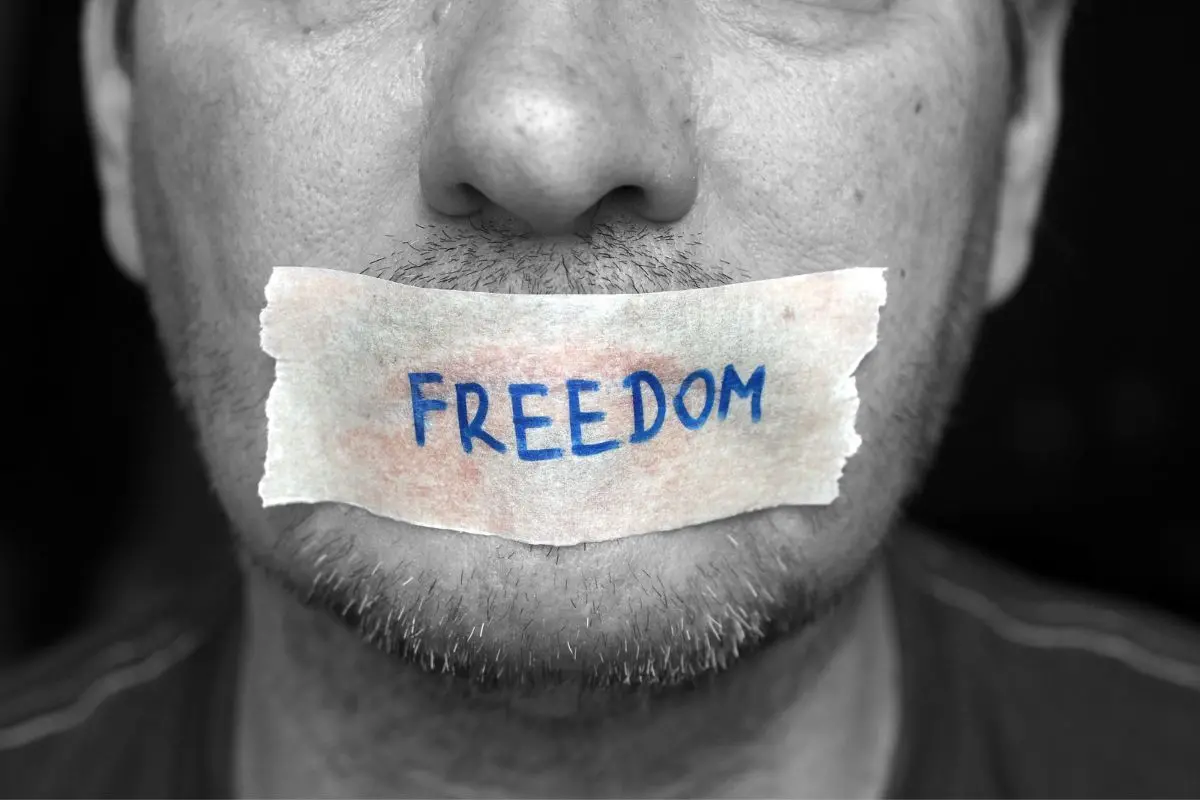
Every year on November 16, India observes National Press Day, a moment dedicated to acknowledging the vital role the media plays in shaping the nation’s democratic framework. Often called the Fourth Pillar of Democracy, the press serves as both a chronicler of truth and a watchdog that keeps those in power accountable. The day encourages journalists, media institutions and citizens to reflect on the importance of press freedom and the obstacles that continue to threaten it.
National Press Day underscores a simple but powerful message: a democracy thrives only when its media remains free, fair and fearless. The day invites public attention to the need for independent journalism that can question authority, highlight social issues and protect the citizen’s right to be informed.
A brief journey through India’s press history
India’s journalism roots stretch back to the colonial period, when pioneers like Raja Ram Mohan Roy championed freedom of expression and fought against British-imposed censorship. Newspapers such as The Hindu, Amrita Bazar Patrika and Kesari became instruments of resistance during the independence movement.
After Independence, Indian journalism continued to evolve—shaped by political transitions, technological advancements, media reforms and periods of censorship such as the Emergency. As the digital age unfolds, new challenges like misinformation and targeted online campaigns have made conversations around press responsibility more critical than ever.
Why National Press Day matters
National Press Day commemorates the establishment of the Press Council of India (PCI) on November 16, 1966. The PCI serves as an independent body responsible for protecting press freedom and ensuring ethical standards across the industry. India is among the few countries with such an institution dedicated to media accountability.
The day also honours journalists who put their careers—and in many cases, their lives—at risk to bring truth to the public. It is an opportunity to reflect on the pressures faced by the media today: political influence, censorship attempts, economic dependency and the overwhelming spread of fake news in an algorithm-driven digital world.