National Daughter’s Day 2025: 10 lines parents should never say to their girl child
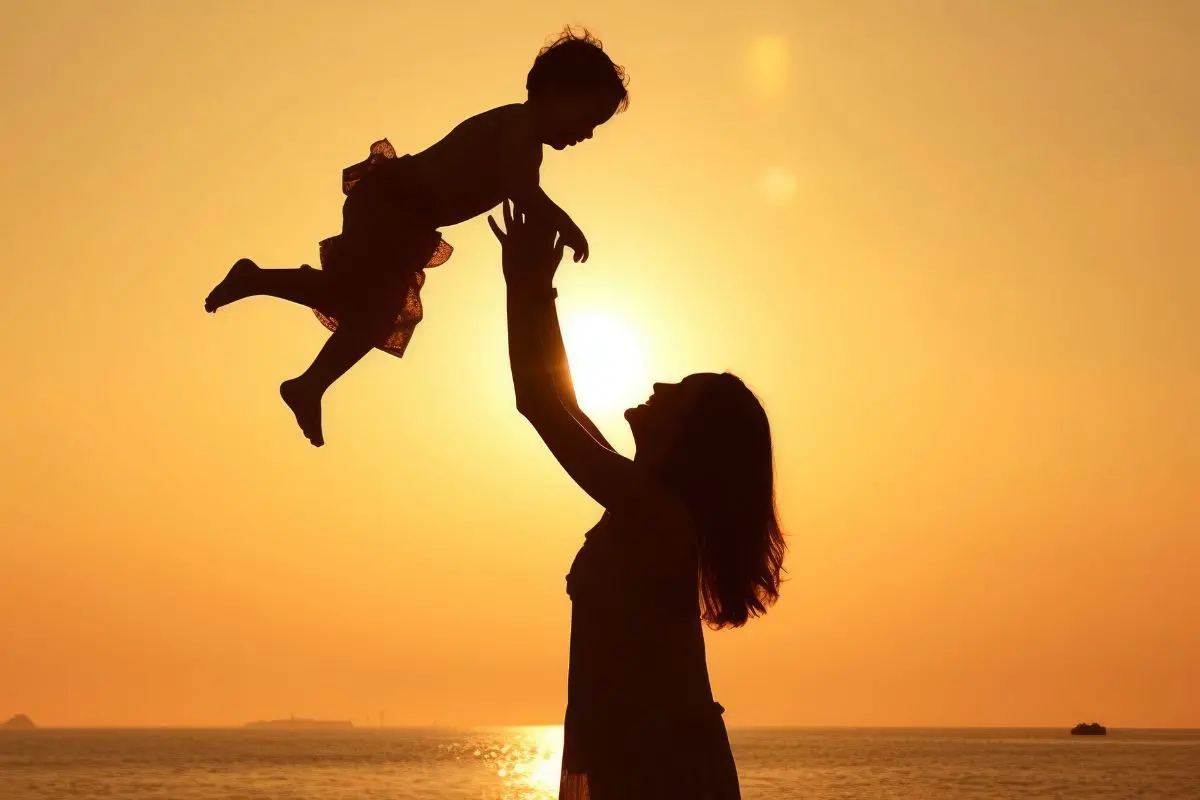
New Delhi: National Daughter’s Day, observed every year on September 28, is a celebration dedicated to cherishing daughters and highlighting the role they play in strengthening families and society.
While the day originated in the United States in the early 2000s to counter the perception of sons being culturally favoured over daughters, it has since found resonance across the globe, including India, where it is often marked with messages of love, encouragement, and reflection on gender equality.
The significance of this day lies not just in pampering daughters with gifts or affection, but also in recognising the subtle ways in which words shape their self-worth.
Psychologists and child experts often caution that casual remarks, especially when repeated, can have long-lasting effects on a child’s confidence and mental health.
Here are ten phrases parents should avoid telling their children — not just on Daughter’s Day, but every day:
- “Why can’t you be more like…?” – Comparisons can make children feel inadequate.
- “You’re too sensitive.” – This dismisses emotions instead of teaching healthy expression.
- “Because I said so.” – It shuts down curiosity rather than encouraging dialogue.
- “You’ll never understand.” – Such statements erode a child’s sense of competence.
- “That’s not for girls.” – Reinforces limiting gender stereotypes.
- “You’re being dramatic.” – Belittles valid feelings and experiences.
- “You should know better.” – Assumes knowledge without guidance.
- “Stop crying or I’ll give you a reason to cry.” – Threats tied to emotions cause fear.
- “You’re always…” or “You never…” – Absolute terms can damage identity and trust.
- “You’ll understand when you’re older.” – Postpones explanation instead of fostering learning.
On this National Daughter’s Day, experts suggest parents replace criticism with encouragement, and instead of dismissing feelings, nurture resilience and empathy. After all, the true celebration of daughters begins with creating a safe environment where their voices are heard, respected, and valued.