Nashik TCS row: SC petition demands strict action against forced religious conversion
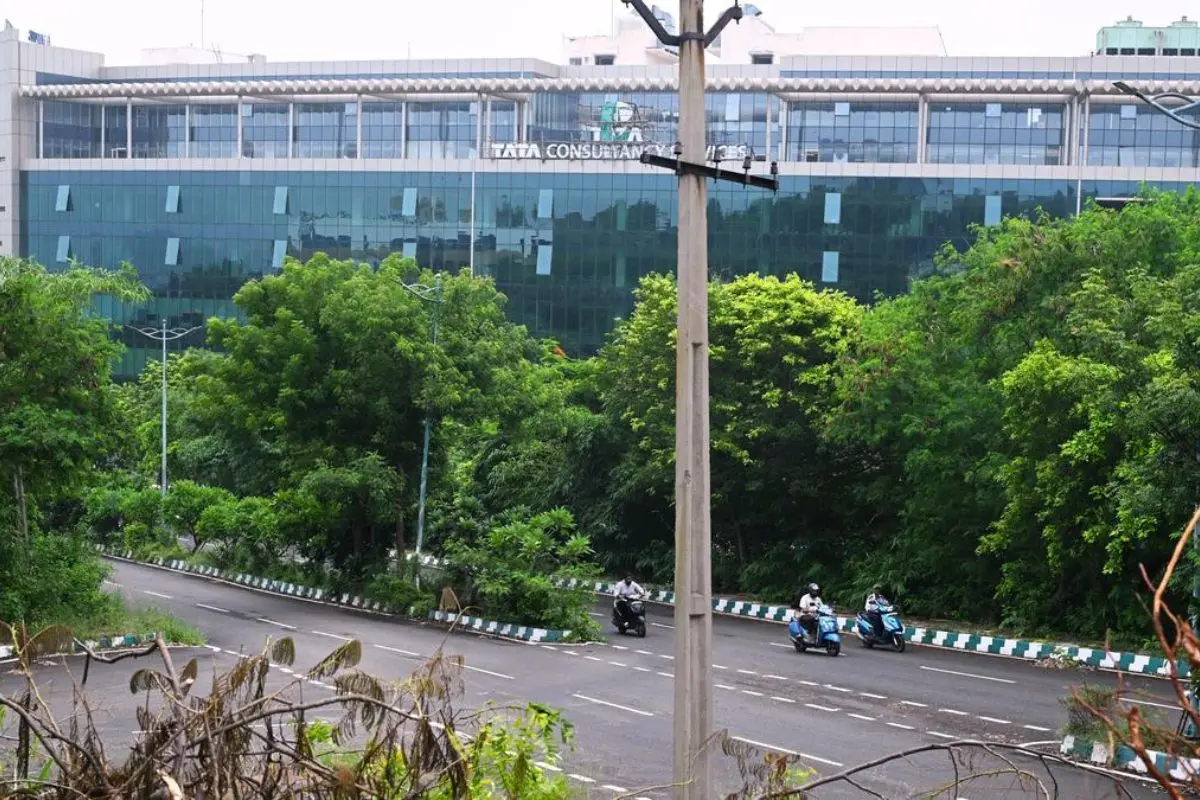
New Delhi: A fresh plea has been submitted before the Supreme Court on Thursday following allegations of religious conversion and sexual harassment at a multinational company in Nashik. The petition seeks judicial directions to curb what it describes as deceitful religious conversions.
The application was moved in the wake of complaints made by eight female employees at the Nashik office of Tata Consultancy Services, who have alleged instances of sexual harassment along with claims of forced religious conversion.
Advocate Ashwini Kumar Upadhyay filed the plea, arguing that fraudulent religious conversion poses a serious threat to key constitutional values. The petition was submitted through advocate Ashwani Dubey.
Concerns over constitutional impact
The plea contends that such conversions undermine sovereignty, secularism, democracy and liberty. It further describes them as a danger to fraternity, dignity, unity and national integration.
According to the petitioner, there is a pressing need for stricter measures to address the issue at both central and state levels.
Demands for stronger legal action
The petition calls for directions to the Centre and state governments to implement stringent steps to control religious conversions carried out through deceit.
It also seeks the establishment of special courts dedicated to handling cases related to religious conversion. In addition, the plea requests that punishments in such cases be imposed consecutively rather than concurrently.
Interpretation of religious freedom
The plea highlights that the Right to Freedom of Religion does not extend to converting others through fraud, coercion, force or deceit.
Referring to Article 25 of the Constitution, it states that while individuals are granted freedom of conscience and the right to profess, practise and propagate religion, these rights are subject to conditions such as public order, health and morality.
The petition clarifies that the provision does not grant unrestricted freedom. It notes that while every individual has the right to practise and propagate religion, this right is not absolute and must operate within reasonable limitations.
“The expression does not mean that every person is free to do whatever they wish in the name of religion. Rather, it means that everyone has the right freely to profess, practise and propagate, but this freedom itself is subject to reasonable restrictions,” the plea stated.
Background of ongoing petition
The current plea has been filed as part of an ongoing petition by Upadhyay seeking directions to authorities to take firm action against fraudulent religious conversions.
In 2023, the Supreme Court had observed that the issue of religious conversion is significant and should not be politicised. At the time, it had sought assistance from Attorney General R Venkataramani in relation to the matter.
Agency inputs