Mumbai, Pune to get woman Mayors; Sena-UBT claims lottery process ‘rigged’
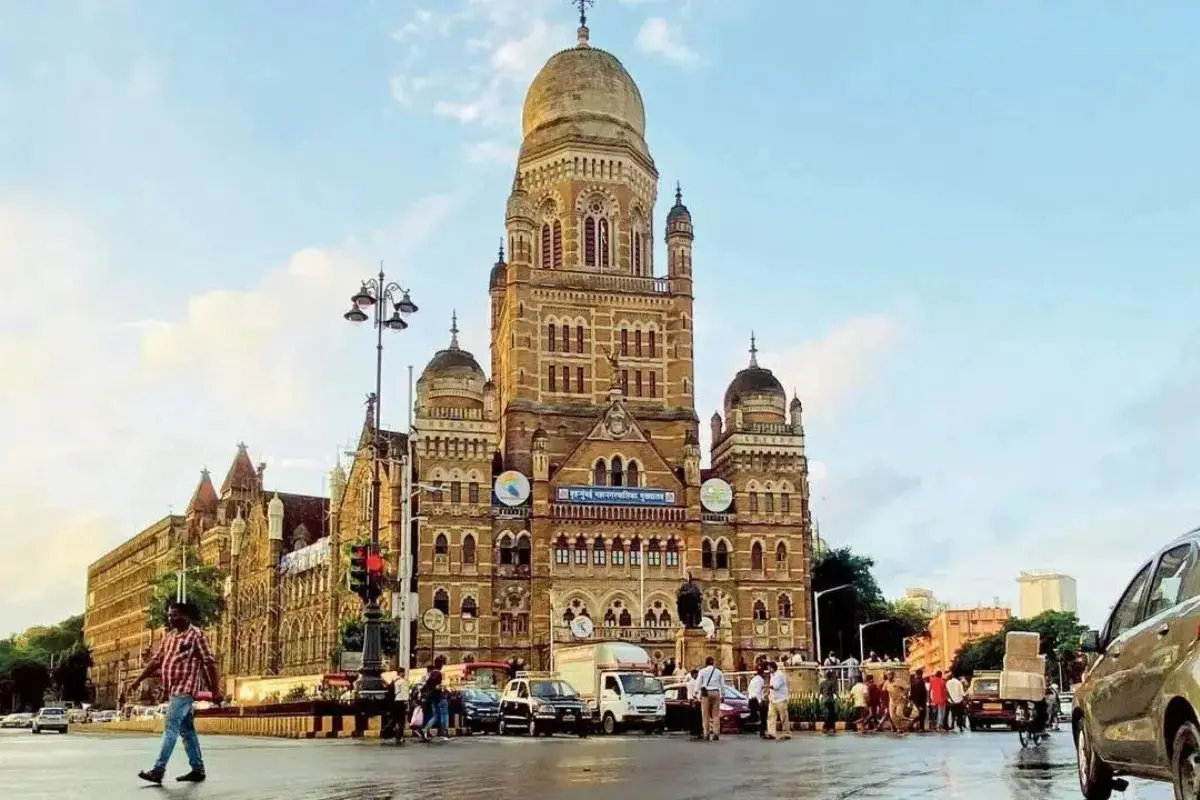
In a significant development in civic politics across Maharashtra, both Mumbai and Pune — two of the state’s largest municipal corporations — are set to be headed by women mayors in the latest round of mayoral selections, following the reservation lottery conducted by the Maharashtra Urban Development Department.
On Thursday, the reservation draw for mayoral posts in 29 municipal corporations across the state was completed. The lottery determined that the mayoral posts in Mumbai’s Brihanmumbai Municipal Corporation (BMC) and Pune Municipal Corporation (PMC) are reserved for women under the open (general) category, paving the way for women leaders to assume the chief civic offices in these major cities.
The reservation exercise, designed to rotate leadership opportunities among different social categories, including general, women, SC/ST and OBC candidates, is mandated under municipal governance laws.
However, the process has drawn sharp criticism from opposition groups, particularly the Shiv Sena (UBT), which alleged that the lottery mechanism was manipulated to favour certain outcomes. Sena-UBT leaders claimed the draw was “fixed,” though no evidence has been presented to substantiate the charge.
Political Context and Backdrop
The mayoral reservation draw comes amid heightened political sensitivity following the 2025–26 municipal corporation elections in Maharashtra. In Mumbai, the BJP–Shiv Sena (Shinde) alliance emerged as the single largest bloc after December municipal polls, but the precise mayoral leadership had remained unresolved until the lottery established the reserved category.
Similarly, in Pune — where the BJP secured a decisive victory in the Pune Municipal Corporation election — the reservation for women mayors reflects both rotational policy requirements and the rising political visibility of women candidates in urban governance structures.
Reactions From Political Circles
The Sena-UBT’s allegation of a “fixed” lottery underscores ongoing tensions in civic political circles, particularly in Mumbai. Critics argue that the timing and methodology of the draw were orchestrated to favour the ruling alliance’s strategic interests, while proponents of the lottery say it adheres to statutory provisions designed to ensure inclusive representation.
State officials maintain that the reservation lottery is conducted impartially as per legal procedures, aiming to broaden participation of women and various social groups in municipal leadership. The final election of mayors — now that reservation categories have been set — will follow standard electoral procedures within each corporation.
As the political camp continues to contest the process, civic administrators prepare for the transition to new leadership in Mumbai and Pune, where women are poised to take the helm in two of Maharashtra’s most influential civic bodies.