Preventive arrests, passport notice, now LOCs: CJP's Saurav Das, Dipke and Ranka face fresh action
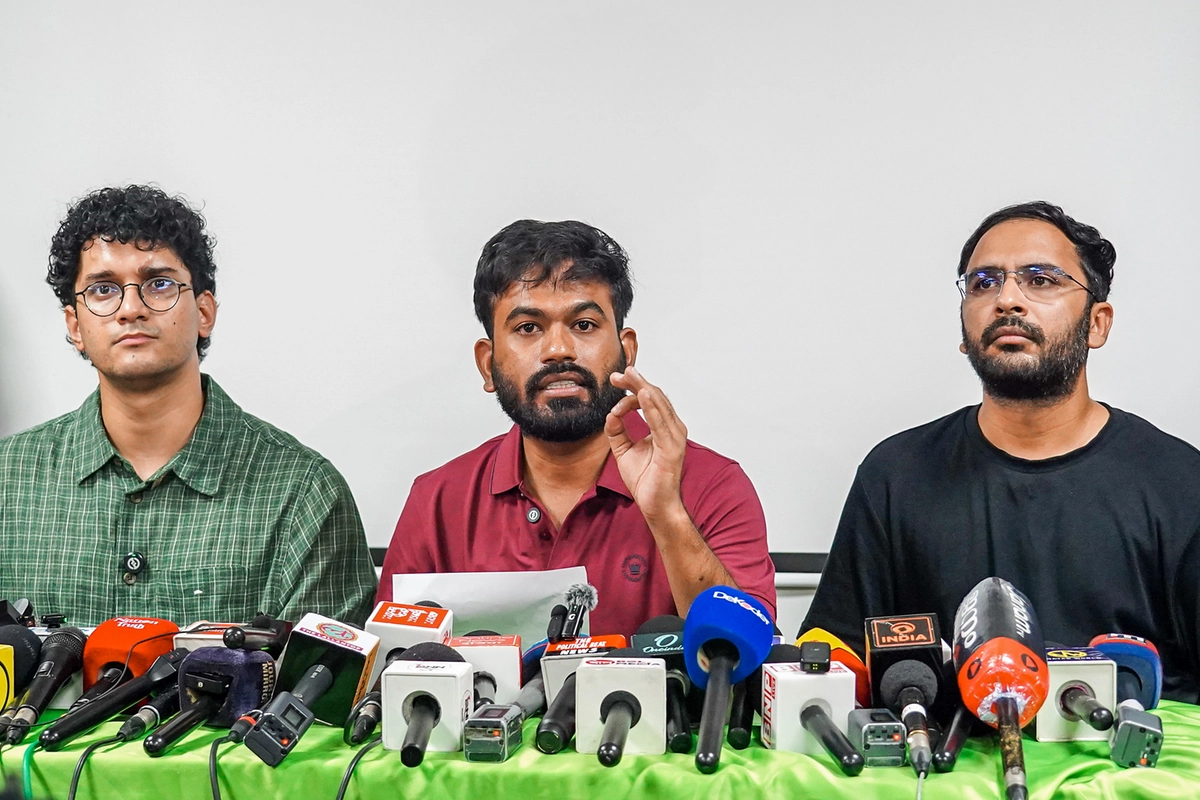
Mumbai: Mumbai Police has issued lookout circulars (LOCs) against Cockroach Janta Party (CJP) founder Abhijeet Dipke and co-convener Ashutosh Ranka, in addition to co-convener Saurav Das, over an FIR registered following the party's protest at Shivaji Park on Gandhi Jayanti, a senior police officer said on Thursday.
The development brings two more CJP leaders under the travel alert mechanism that prevented Das from boarding a flight to the United Kingdom at Delhi's Indira Gandhi International Airport on November 23.
The FIR relates to the party's October 2 protest, called 'Chalo Mumbai', which was organised despite Mumbai Police refusing permission for the gathering. The police cited restrictions on assemblies at Shivaji Park and concerns raised by local residents over traffic and noise.
According to the officer, the LOCs were issued because police apprehended that the three leaders might leave the country.
The FIR was registered on October 3 and names 10 CJP leaders, including Dipke, Pranav Ahire, Ranka, Ajinkya Shinde, Das, Afreen Nawaz, Saumya Korde, Ankit Bharadwaj, Vijay Malangi and Yogesh Ingle. More than 400 supporters have also been named.
The case invokes Sections 189 and 223 of the Bharatiya Nyaya Sanhita, 2023, relating to unlawful assembly and disobedience of a public servant's lawful order. It also includes Sections 37 and 135 of the Maharashtra Police Act, concerning restrictions imposed to prevent disorder and violations of police orders.
The FIR names CJP leaders over allegations linked to the gathering and slogans raised during the protest. Police said the case is separate from the cases connected to the NEET paper leak, which the Supreme Court had asked authorities to withdraw.
Why was Saurav Das stopped at Delhi airport?
The lookout circular against Das came to light during proceedings in the Delhi High Court on Thursday, where he is challenging the restrictions preventing him from travelling to the UK.
The Union Home Ministry informed the court that the circular had been issued on the intervening night of November 22 and 23, at the request of Maharashtra Police. Das was stopped at Delhi airport on November 23.
His counsel, senior advocate Akhil Sibal, told the court that Das had not been informed about the LOC when immigration authorities stopped him. He sought disclosure of the circular's contents, but the court did not grant the request.
The Ministry of External Affairs separately referred to a show-cause notice issued by the Chennai regional passport office, asking Das to clarify his place of birth, as a reason he was not allowed to travel. The court is scheduled to hear the matter again on December 9.
The two issues should be distinguished: the police LOC is linked to the Shivaji Park FIR, while the passport notice concerns questions raised by the passport authorities.
What happened at the October 2 protest?
The CJP's 'Chalo Mumbai' demonstration was part of a wider campaign seeking the resignation of Chief Election Commissioner Gyanesh Kumar over alleged irregularities in the Special Intensive Revision (SIR) of electoral rolls.
More than 4,000 people gathered at Shivaji Park despite the police refusal to grant permission. Actors Naseeruddin Shah and Shabana Azmi, along with filmmaker Anand Patwardhan, were among those present.
Dipke addressed the gathering, while Das and Ranka were also present. Mumbai Police deployed around 300 personnel and additional forces, closed roads leading to the ground and allowed the demonstration to conclude without any detention, according to the report.
Dipke had thanked the police from the stage, saying: "We love the Mumbai police as it's not like Delhi police as they were not brutal."
Why the three LOCs matter
The latest development extends the police action beyond Saurav Das to two other prominent CJP figures. All three circulars are linked to the same FIR over the October 2 gathering, rather than the separate NEET paper leak cases.
A lookout circular is an immigration alert used to prevent a person from leaving the country or to notify authorities about their movement, depending on the instructions issued. Under the Union Home Ministry's guidelines, investigating agencies can seek LOCs in specified circumstances, including cases involving cognisable offences where an accused is evading arrest or failing to appear before a court despite non-bailable warrants and is believed likely to leave the country.
The use of LOCs can raise questions when travel restrictions are imposed without an apparent attempt to arrest the individuals concerned. Courts have previously been approached to examine the circumstances and legality of such orders.
The Delhi High Court proceedings will be significant in determining the legal issues surrounding Das's travel restrictions. However, the immediate police action against all three CJP leaders is rooted in the Shivaji Park FIR. The separate passport-related notice adds another dimension to Das's case.
The development also places the October 2 protest, organised against alleged irregularities in electoral roll revision, back in focus. Whether the LOCs meet the applicable legal requirements and whether the leaders challenge them in court remain key questions.