MEA clarifies: India-US trade deal based on Joint Statement, not revised US factsheets
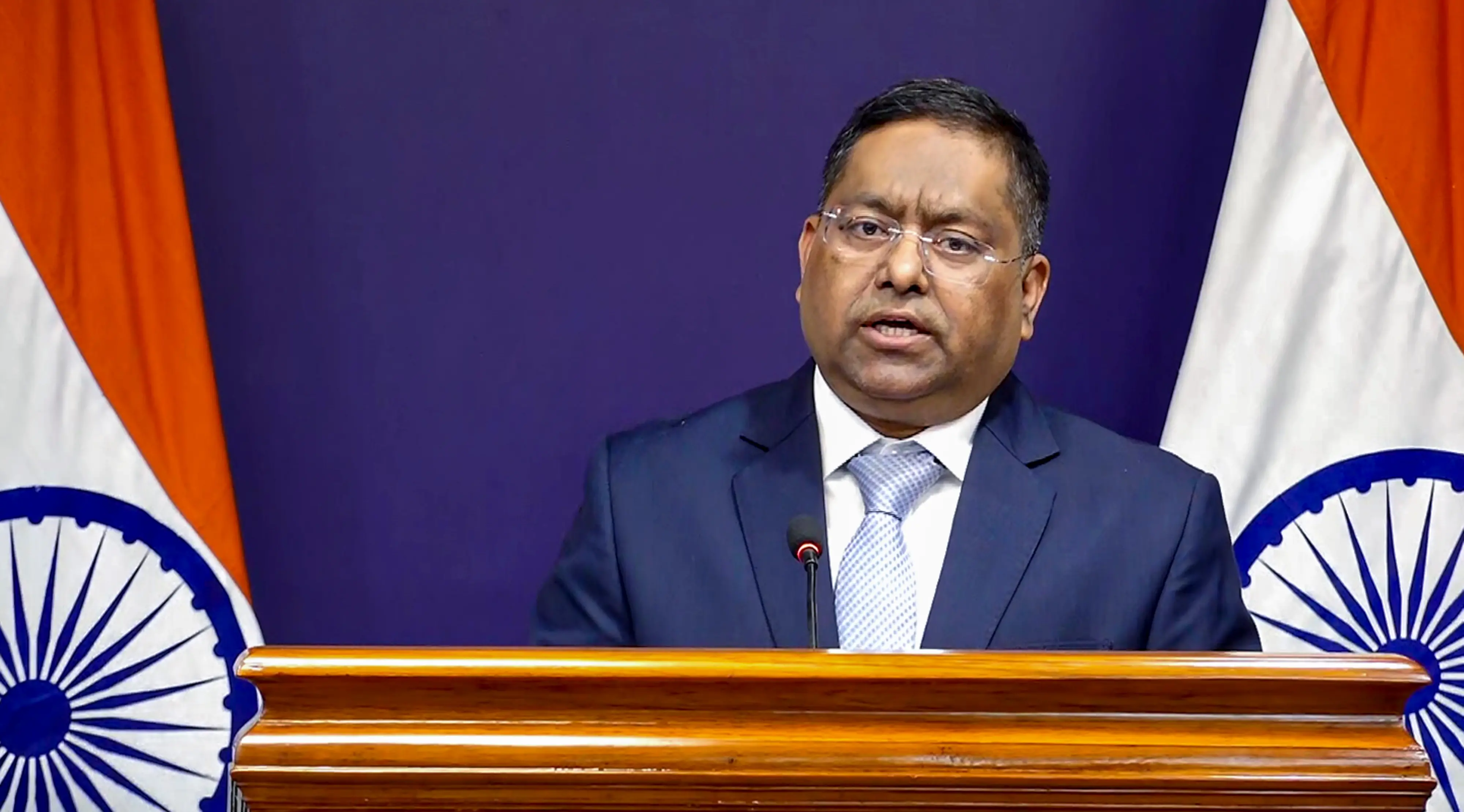
New Delhi: The Ministry of External Affairs (MEA) clarified Thursday that recent revisions to a US factsheet regarding the India-US interim trade agreement were intended to align the document with "shared understandings" between the two nations.
During a weekly media briefing, MEA spokesperson Randhir Jaiswal stated that the joint statement issued on Feb. 7 remains the definitive framework for the deal. The clarification follows a quiet update by the White House that walked back several bold assertions concerning India's trade and purchase obligations.
"As you are aware, the India-US Joint Statement on the framework for an Interim Agreement on reciprocal and mutually beneficial trade was issued on 7 February 2026," Jaiswal said. "The Joint Statement is the framework and remains the basis of our mutual understanding in the matter. Both sides will now work towards implementing this framework and finalising the Interim Agreement."
Key Revisions in the US Document
The White House’s updated factsheet reflects a softening of tone and the removal of specific sensitive items that had initially triggered concerns in New Delhi.
- Purchase Intent vs Commitment: The original US document stated India "committed to buy" over $500 billion in American goods, including agricultural products. The revised text now states India "intends" to buy these goods and has removed "agricultural" from that specific list.
- Agricultural Protections: References to "certain pulses" were deleted from the list of items for which India would reduce tariffs. This change aligns with India’s stance on protecting its highly sensitive domestic pulse market.
- Digital Trade: The updated version removed an earlier claim that "India will remove its digital services taxes," replacing it with a broader commitment to "negotiate a robust set of bilateral digital trade rules."
The 18% Reciprocal Tariff
The interim agreement, a precursor to the broader Bilateral Trade Agreement (BTA) launched in 2025, centres on the concept of "reciprocal trade."
Under the framework:
- India’s Role: New Delhi will eliminate or lower duties on all US industrial goods and various food products, such as tree nuts, soybean oil, and wine.
- US Role: Washington will apply a standardized 18% reciprocal tariff on Indian imports, including textiles, leather, apparel, and organic chemicals. This rate is a substantial reduction from the nearly 50% cumulative duties earlier faced by Indian exporters under the Trump administration's previous trade measures.
"The amendments in the US fact sheet reflect the shared understandings contained in the Joint Statement," Jaiswal added, emphasising that both sides are now focused on finalising the legal text of the interim deal.
With inputs from ANI