Telugu is a ‘living civilisation,’ says Mauritius President Dharam Gokhool
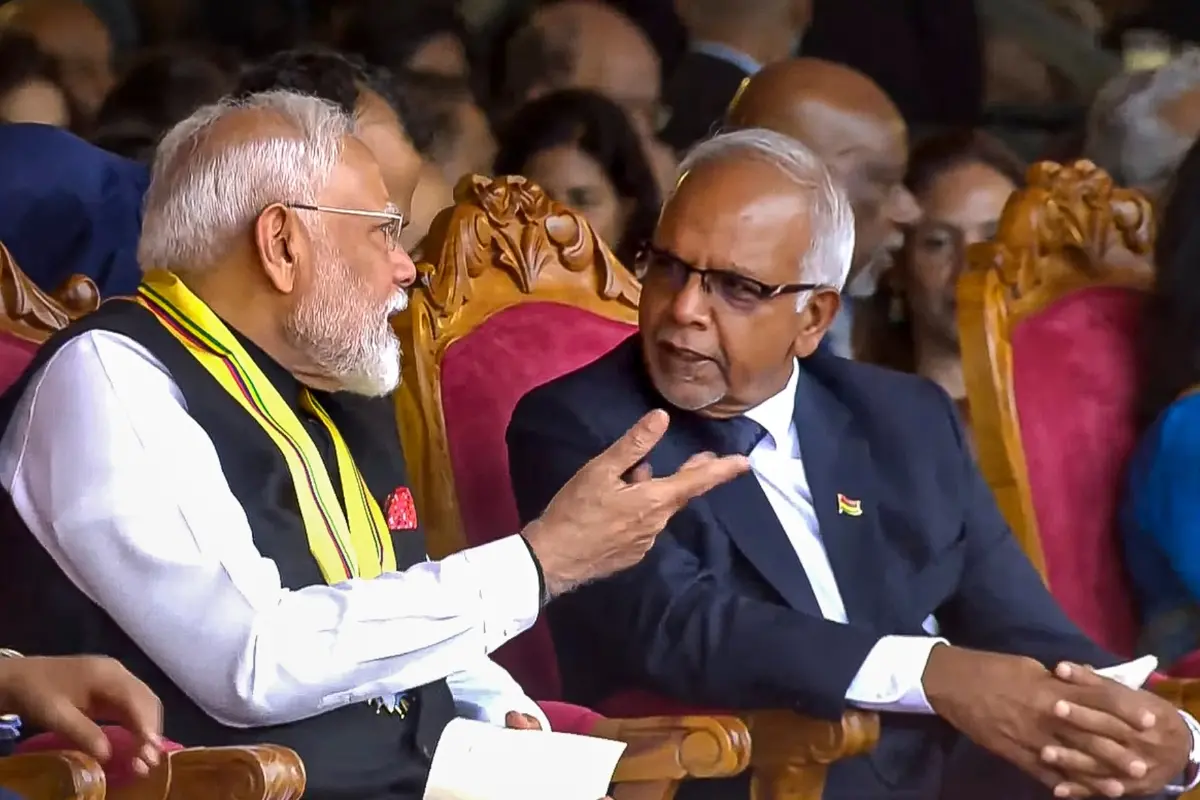
Guntur: Mauritius President Dharam Gokhool told a global gathering of the Telugu diaspora on Sunday that the language represents more than a means of communication, calling it a "living civilisation" with a profound spiritual legacy.
Speaking as the chief guest at the Third World Telugu Conference in Andhra Pradesh, Gokhool described the event as a historic milestone for millions of Telugu speakers worldwide. The conference arrives as the world enters 2026, a year Gokhool noted is traditionally associated with reflection and renewal, a theme mirrored in the Telugu New Year festival, Ugadi, which is a national holiday in Mauritius.
"While calendars may differ, the promise of new beginnings and our collective responsibility to preserve heritage with wisdom and foresight remain universal," Gokhool said.
The President highlighted the language’s evolution from a regional tongue to a global one, now spoken in over 50 countries. He welcomed delegates from nearly 50 nations and emphasised that Telugu culture is an essential part of Mauritius’ multicultural fabric.
During the session, a memorandum of understanding (MoU) was signed to formalise Mauritius as the host of the next World Telugu Conference. The agreement also aims to deepen academic, cultural, and technological cooperation between the island nation and the state of Andhra Pradesh.
Gokhool praised the deep-rooted ties between India and Mauritius, which he said were further bolstered by high-level diplomatic exchanges in 2025. He credited the Telugu community in Mauritius for its role in nation-building, noting that the language is integrated into the formal education system from primary to university levels.
The President lauded several Mauritian organisations, including the Mauritius Telugu Mahasabha and the Andhra Telangana Telugu Association, for safeguarding the community's cultural identity. He noted that Mauritius celebrates Andhra Pradesh Day on Nov. 1 and is home to a 108-foot statue of Sri Venkateswara Swami at Harihara Devasthan, recognised as the tallest of its kind.
Addressing modern challenges, Gokhool warned that globalisation and the dominance of English among the youth pose a significant threat to ancestral languages. Citing research that predicts more than half of the world's languages could disappear by the end of the century, he urged the use of artificial intelligence and digital platforms to protect linguistic heritage.
He specifically commended Andhra Pradesh Chief Minister N. Chandrababu Naidu for implementing AI and quantum technology courses as tools to preserve the language for future generations.
Gokhool arrived in Andhra Pradesh on Saturday as part of a six-day official tour of India that concludes Jan. 8.
With inputs from PTI