State pressure, national expansion: Mamata Banerjee skips KMC meet, heads to INDIA bloc talks Delhi
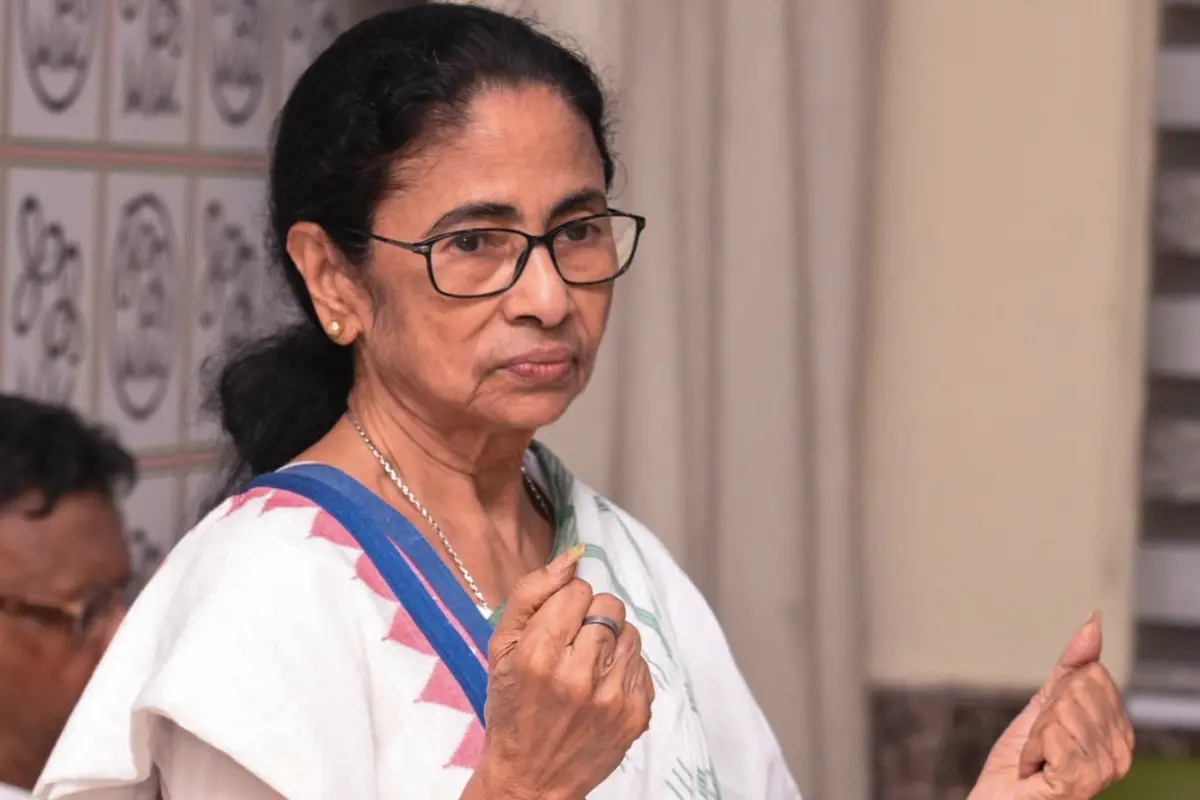
Kolkata: Former Chief Minister of West Bengal Mamata Banerjee’s cancellation of a scheduled meeting with Kolkata Municipal Corporation (KMC) councillors has drawn attention at a time when the civic body is facing administrative and legal pressure.
The meeting, which was expected to address internal organisational concerns, was called off without an official reason being disclosed.
Soon after the cancellation, it was indicated that Mamata Banerjee would travel to New Delhi to participate in a meeting of the opposition INDIA bloc, scheduled for Monday. This shift in schedule has brought into focus the dual responsibilities she is currently navigating between state governance and national-level political coordination.
KMC governance pressure and internal instability
The Kolkata Municipal Corporation has been experiencing a period of political and administrative strain following multiple resignations within its governing structure, including changes in leadership positions such as the mayoral office and other key municipal roles.
Alongside resignations, reports of arrests of several councillors over allegations including corruption and related charges have added further pressure to the civic body’s functioning. These developments have raised concerns about continuity and stability within the municipal administration.
Additionally, a formal notice issued by the state municipal affairs department seeking clarification on the continuation of the KMC board has added a legal dimension to the ongoing situation. The notice references provisions under the KMC Act and questions whether the current board structure remains valid following recent resignations.
National opposition coordination in Delhi
At the same time, Mamata Banerjee’s visit to Delhi is linked to the INDIA bloc, a coalition of opposition parties working on coordination ahead of national political developments. Her nephew and Trinamool Congress general secretary Abhishek Banerjee had already travelled to the capital ahead of the meeting.
The Delhi engagement reflects the Trinamool Congress’ continued involvement in national opposition strategy discussions, even as state-level issues in West Bengal demand attention.
This simultaneous engagement at both state and national levels highlights the broader political balancing act faced by regional leaders who play a significant role in national alliances.
Governance vs political strategy: competing priorities
The overlapping timing of a civic crisis in Kolkata and a national political meeting in Delhi has brought attention to the competing demands on political leadership. On one hand, the KMC situation requires immediate administrative attention due to resignations, legal scrutiny, and governance uncertainty.
On the other hand, participation in opposition alliance discussions is seen as strategically important for shaping broader national political narratives.
This dual engagement reflects a wider pattern in Indian politics where regional leaders often balance state governance responsibilities with national-level coalition politics.
Mamata Banerjee’s decision to prioritise a Delhi visit amid ongoing civic issues in Kolkata underscores a dual-track political strategy—managing state-level administrative challenges while remaining actively involved in national opposition coordination.
The situation also highlights how contemporary political leadership increasingly operates across overlapping centres of power, where local governance and national politics intersect continuously.