Maharashtra to impose 10% water cut from October 16: What the state is preparing for
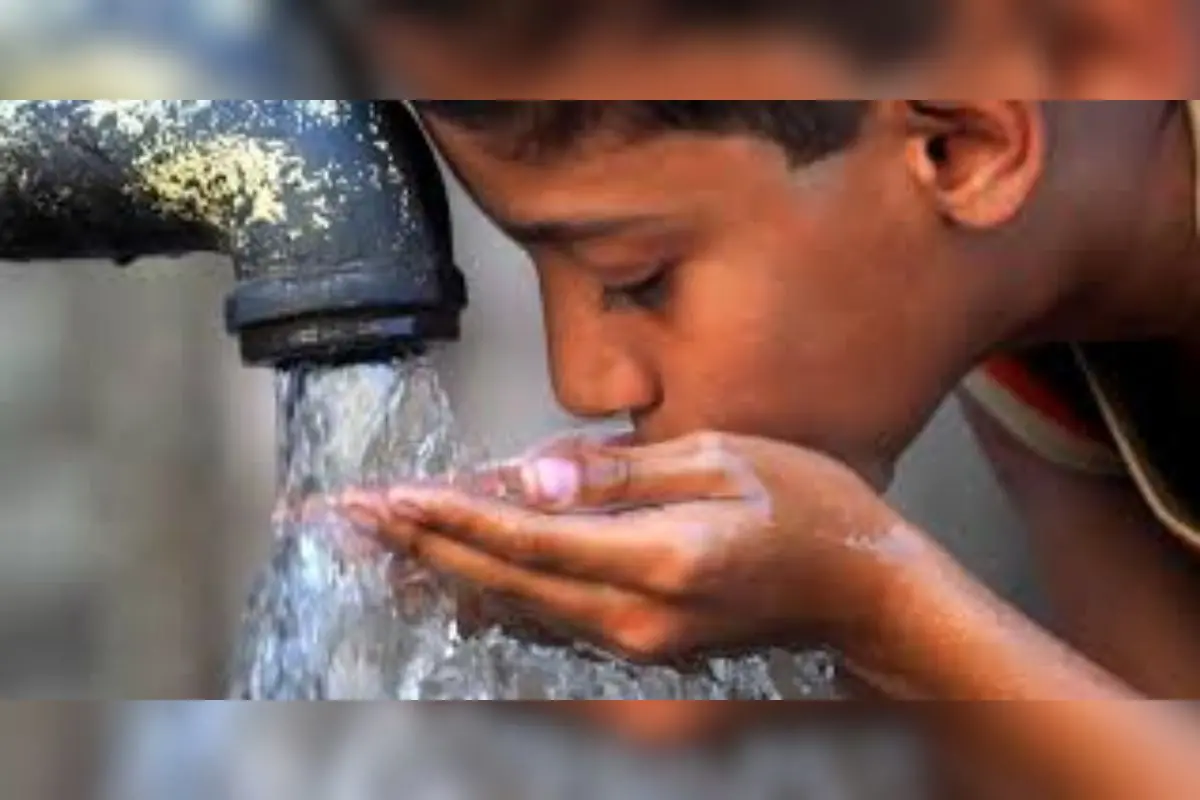
Maharashtra will impose a minimum 10 per cent water cut across urban and rural local bodies from October 16 as the state prepares for possible water shortages following a deficient monsoon.
The state government has begun planning water availability through August 31, 2027, with officials factoring in the possible impact of El Nino and the risk of a drought-like situation.
State Water Resources Minister Girish Mahajan said the department has assessed available water stocks on a dam-wise and usage-wise basis. Drinking water has been placed at the top of the priority list as the government prepares to manage supplies over the coming months.
Water cuts to begin October 16
All municipal corporations, municipalities and gram panchayats have been instructed to implement the minimum 10 per cent water cut from October 16, Mahajan said in a statement.
The government has also asked local bodies to step up efforts to prevent water leakage and ensure sewage treatment plants operate at full capacity. Treated wastewater is to be diverted for non-drinking uses such as gardening, construction and washing.
Industries, meanwhile, have been directed to reuse or recycle at least 30 per cent of the water they consume.
Maharashtra to keep emergency water buffer
The state plans to maintain an additional emergency reserve of 10 per cent in every dam. Water for drinking purposes will be protected up to August 31, 2027, after taking into account evaporation, silt and unauthorised water extraction.
Irrigation releases will be considered only after drinking water needs, along with requirements for livestock and fodder, have been met, according to the government.
Mahajan appealed to citizens and government agencies to use water carefully. The Water Resources, Revenue, Agriculture, Industries and Urban Development departments are coordinating measures to manage the situation.
Rabi crops to get priority
The government has also laid out a priority order for agricultural water use. Rabi foodgrains and fodder will be given preference, followed by other Rabi crops.
Perennial crops will be allowed water only if supplies remain available after the higher-priority requirements are met.
The water resources department will also coordinate with revenue and police authorities to stop unauthorised extraction from dams, rivers and canals. Joint teams will patrol vulnerable areas, while illegal pumps and other equipment used for unauthorised extraction will be seized.
With PTI inputs