Madhya Pradesh farmers seek 100% moong procurement at MSP: Here's why the protest erupted
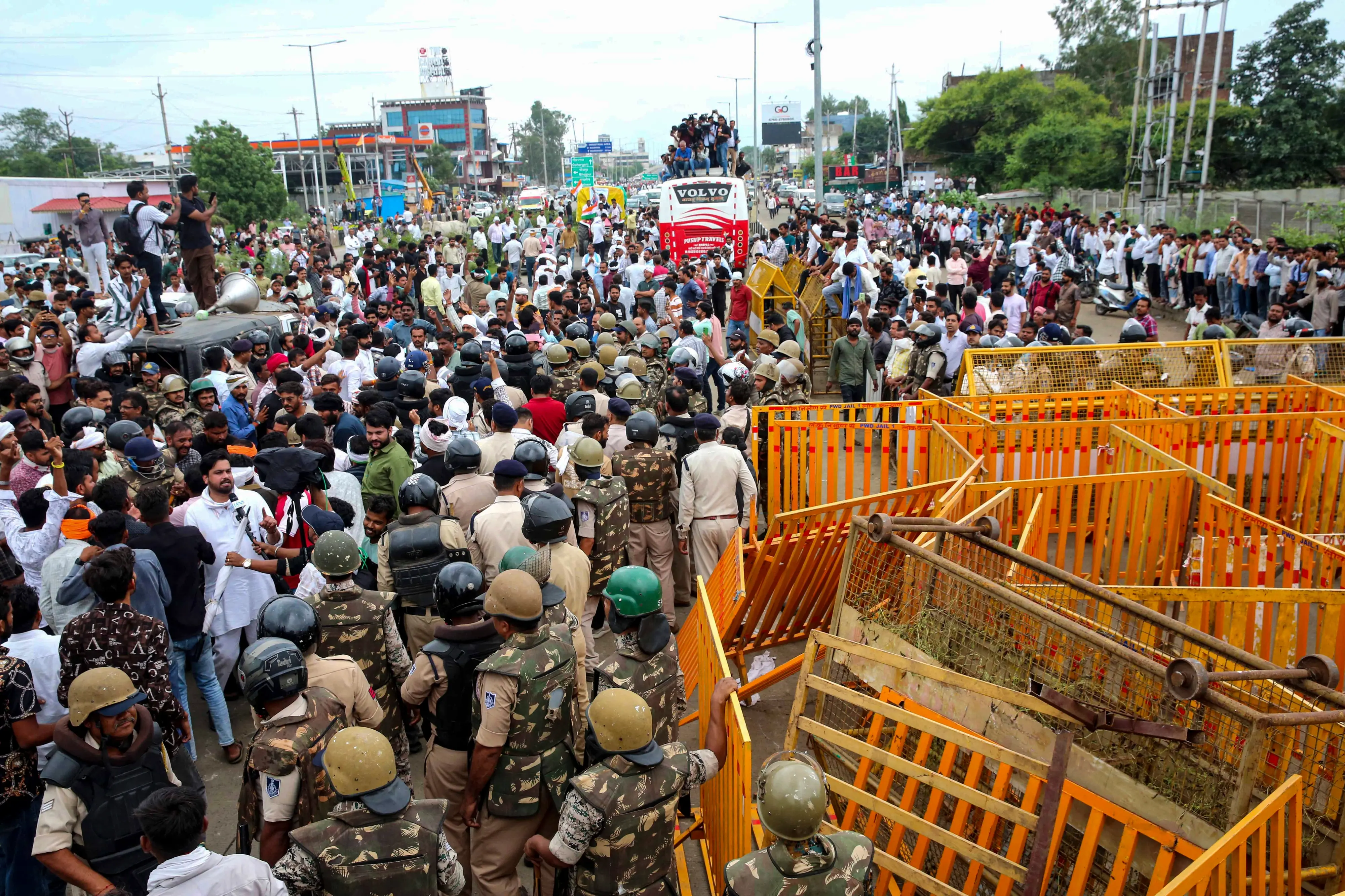
Thousands of farmers have gathered in Madhya Pradesh's capital, Bhopal, demanding that the state government ensure full procurement of moong (green gram) at the Minimum Support Price (MSP). The protest, led by the Samyukta Kisan Morcha and supported by several farmer groups, has disrupted traffic, prompted heightened security and forced the administration to declare a holiday for schools in parts of the city.
Although the state government has opened talks with farmer representatives, negotiations have so far failed to produce a breakthrough, with protesters continuing their sit-in.
Why are farmers protesting?
At the heart of the agitation is the demand for 100% procurement of moong at the MSP. Farmers say the current procurement system and limits are preventing many growers from selling their produce to government agencies at the guaranteed support price.
They argue that unless the entire eligible crop is procured, many cultivators are forced to sell their harvest in the open market at significantly lower prices, reducing their earnings despite a good crop.
The issue is particularly significant because Madhya Pradesh is India's largest producer of moong.
What are the farmers' main demands?
The protesting farmers have raised a few demands:
- Complete procurement of moong at MSP, instead of restricting purchases through a fixed procurement target.
- Resolution of problems with the e-token system, which farmers say has delayed or limited procurement.
- Timely availability of fertilisers at reasonable prices to support agricultural operations.
Farmer organisations say these issues have directly affected their income and are seeking immediate policy intervention.
Why has moong procurement become a major issue?
The dispute centres on procurement limits.
For the 2025-26 marketing season, the Centre fixed a procurement target of 4.54 lakh metric tonnes of summer moong for Madhya Pradesh.
However, critics, including former Chief Minister Kamal Nath, have alleged that only a small fraction of the approved quantity had been procured by mid-July, leaving many farmers unable to sell their produce under the MSP mechanism.
Farmer groups argue that procurement should not stop after the target is reached and that every eligible farmer should be able to sell moong at the MSP.
Recognising these concerns, Madhya Pradesh Agriculture Minister Aidal Singh Kansana has written to Union Agriculture Minister Shivraj Singh Chouhan seeking an increase in the state's procurement target. He argued that raising the limit would help ensure farmers receive the full benefit of MSP and encourage continued pulses cultivation.
How has the Madhya Pradesh government responded?
Chief Minister Mohan Yadav has said the government is committed to resolving the issue through dialogue.
On Wednesday, he announced that a committee of ministers had been formed to continue negotiations with farmer organisations. Besides Agriculture Minister Aidal Singh Kansana, ministers Krishna Gaur, Vishvas Sarang and Rakesh Singh have been tasked with engaging with protesters.
According to the chief minister, the government remains open to positive discussions but also wants to minimise inconvenience to the public caused by the ongoing demonstrations.
Kansana has assured farmers that the government is sensitive to their concerns and has directed officials to prioritise issues related to moong procurement and other agricultural grievances.
What has happened during the protest?
The protest escalated after thousands of farmers marched from Sehore district towards Bhopal carrying the national flag and raising slogans in support of farmers' rights.
Many intended to march towards the chief minister's residence but were stopped by police near the Veer Savarkar Bridge on Narmadapuram Road.
The overnight protest led to severe traffic congestion on one of Bhopal's busiest highways, prompting authorities to issue traffic diversions and advise commuters to use alternative routes.
As a precaution, schools in nearby areas remained closed, while additional police personnel were deployed across the protest site to maintain law and order.
Where do talks stand now?
The first round of discussions between the government and farmer representatives ended without an agreement.
While ministers have assured protesters that their concerns will be addressed, farmer organisations have continued their agitation, insisting on concrete decisions rather than assurances.
The newly formed ministerial committee is expected to hold further negotiations in an effort to reach a consensus.
With PTI inputs