Lok Sabha clears Transgender Amendment Bill: What changes now for recognition rules
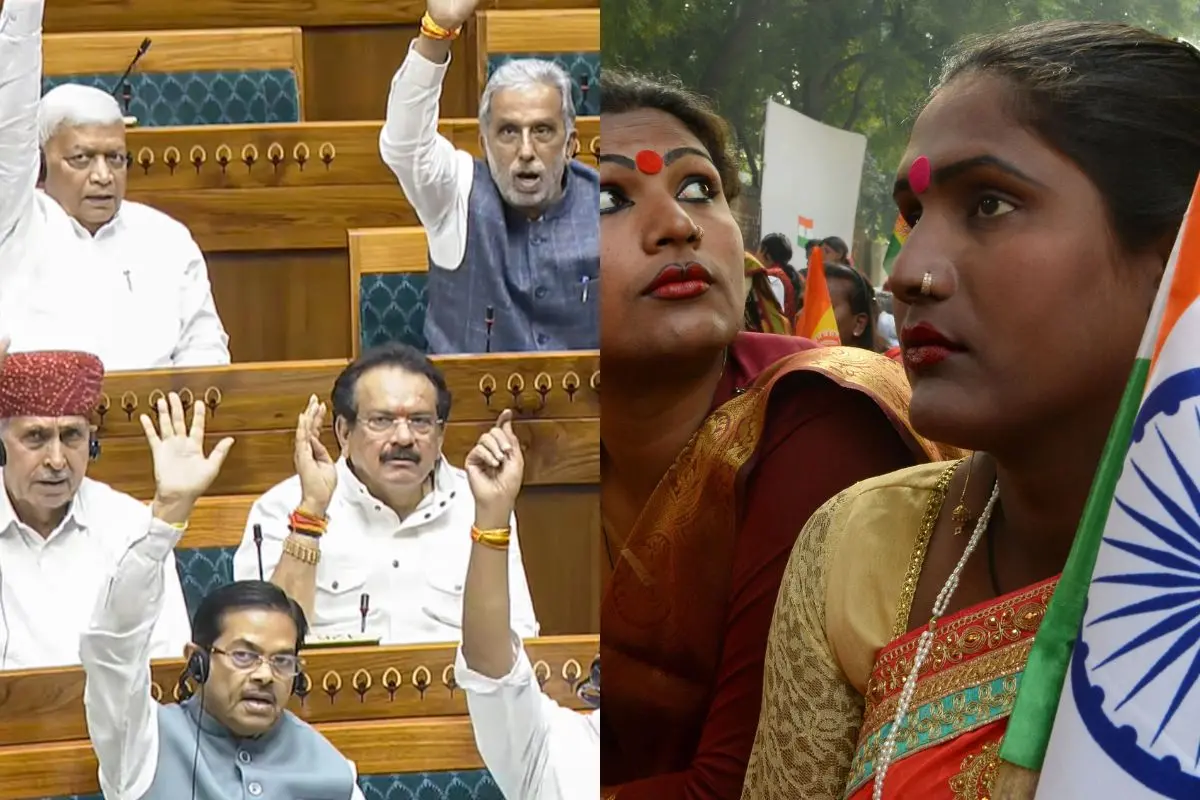
In a major shift in India’s transgender rights framework, the Lok Sabha on Tuesday passed the Transgender Persons (Protection of Rights) Amendment Bill, 2026 by voice vote, setting off sharp political reactions and protests from sections of the transgender community.
The legislation introduces key changes to how transgender identity is defined and officially recognised, replacing provisions in the 2019 law.
The Bill was passed amid an Opposition walkout, with several parties including the Congress, Trinamool Congress, DMK, Samajwadi Party and others opposing the removal of self-identification rights.
Critics have termed the move “regressive”, arguing that it goes against the Supreme Court’s 2014 NALSA judgment, which recognised the right of individuals to determine their own gender identity.
The government, however, defended the amendments, saying they are aimed at protecting vulnerable individuals and preventing misuse of benefits meant for the transgender community.
Union Minister for Social Justice and Empowerment Virendra Kumar said the law introduces a more “structured and scientific” approach while strengthening safeguards against coercion and exploitation.
BJP MP Hemang Joshi says the transgender amendment Bill was passed in Lok Sabha after being discussed for as much time as Opposition parties had requested.
What changes now
With the new law, transgender persons will no longer be able to self-identify their gender without official approval.
Instead, anyone seeking recognition as transgender must apply for a certificate of identity, which the District Magistrate will issue after verification and possible consultation with medical experts.
The law also narrows the definition by focusing more on biological and congenital conditions, while still including socio-cultural identities like hijra, kinner and aravani.
Also read: Why activists are opposing the Transgender Amendment Bill 2026 | Explained
Additionally, the amendments introduce provisions to prevent people from being forced into identifying as transgender, and tighten penalties for crimes against the community.
The Bill also expands the definition to include people with intersex variations and congenital differences in sexual characteristics, chromosomes or hormones. However, the exclusion of self-perceived identity has emerged as the most debated change.
Opposition leaders raised concerns over the Bill not being sent to a parliamentary committee for detailed scrutiny. Congress MP Priyanka Gandhi Vadra called for wider consultation, while Rahul Gandhi described the legislation as an attack on the dignity and constitutional rights of transgender persons.
During the debate, a majority of Opposition MPs argued that requiring medical or administrative verification undermines personal autonomy and could create barriers for genuine individuals seeking recognition.
On the other hand, members of the BJP-led NDA supported the Bill, saying self-identification could be misused, especially if reservation or welfare benefits are introduced in the future.
They argued that the amendments would ensure that benefits reach those who genuinely need them.
The Bill had already sparked protests across the country since its introduction earlier this month, with transgender groups and civil society organisations demanding its withdrawal.
MP Mallu Ravi calls the transgender amendment Bill “against” the community, alleging it worsens existing issues and confirms Opposition parties opposed it while seeking its referral to a JPC.
He also suggested the government nominate transgender representatives in legislatures, proposing one MLA per Assembly and two MPs in Parliament, similar to the former Anglo-Indian quota system.
Also read: CPM opposes Transgender Persons (Amendment) Bill; demands menstrual leave for women
With its passage in the Lok Sabha, the Bill will now be taken up in the Rajya Sabha, where another round of intense debate is expected.