'Little did I know': MP CM flags high cost of Ladli Behna scheme; remark comes as beneficiary count falls
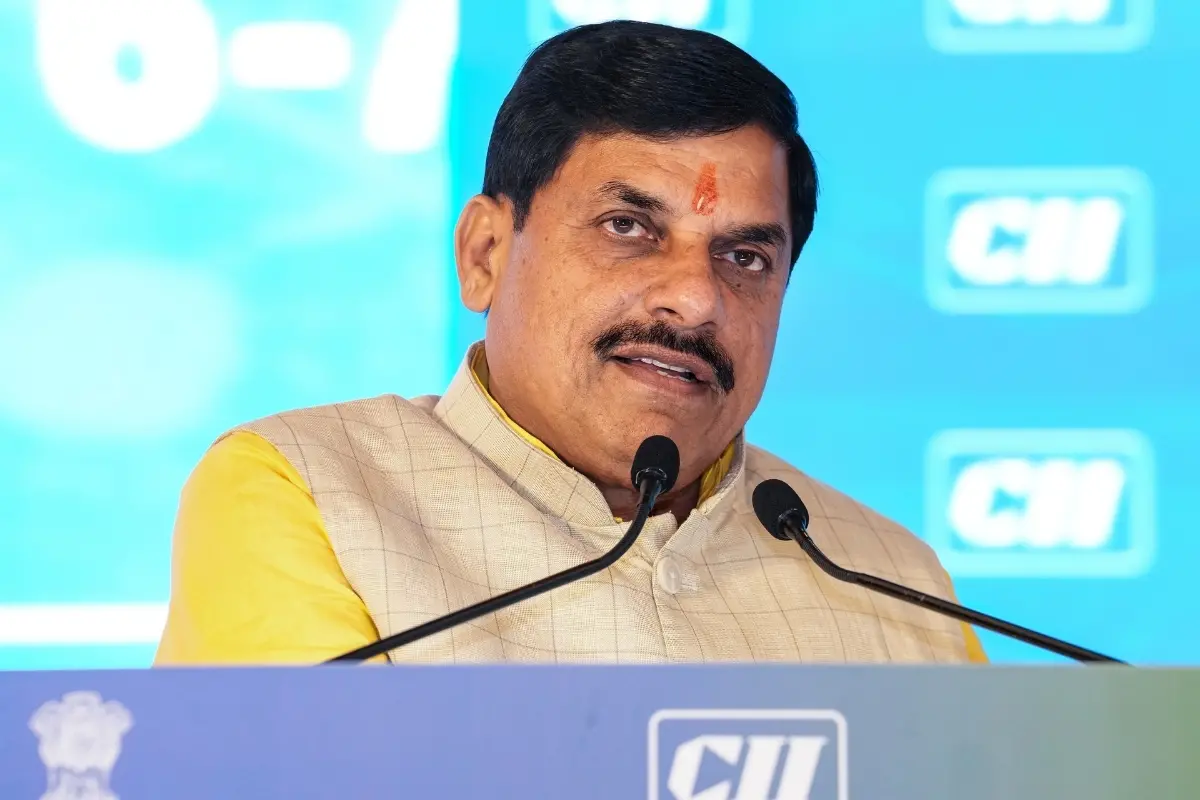
Questions are mounting over whether the Bharatiya Janata Party government in Madhya Pradesh is having second thoughts about its flagship Ladli Behna scheme, after Chief Minister Mohan Yadav publicly described the welfare programme as a "very costly affair".
Speaking at an event in Bhopal, Yadav admitted he had not realised how heavy the financial hit would be when taking office. "Little did I know that becoming Chief Minister would bring such a heavy financial burden," he said during a light-hearted exchange with a local content creator. Though Yadav insisted there is "no trouble when it comes to our sisters," his candid remarks come as the state's annual outlay for the programme reaches nearly ₹23,883 crore.
Heavy outlay and rising payouts
The scheme was launched in June 2023 under former Chief Minister Shivraj Singh Chouhan, offering eligible women ₹1,000 a month. Payouts were later raised to ₹1,250 and reached ₹1,500 in November 2025, with a promise to eventually provide ₹3,000 monthly over five years. On September 13, the government transferred ₹1,835 crore for its 40th instalment, pushing total transfers since launch past ₹65,395 crore.
Yet despite rising monthly payments, state data reveals that the total number of women receiving aid is falling.
Declining numbers and closed registrations
Over 6.25 lakh women have dropped out of the scheme since its rollout due to turning 60, passing away, or failing eligibility rules. This has reduced the beneficiary pool from more than 1.31 crore in October 2023 to around 1.25 crore.
Crucially, fresh registrations remain closed, leaving newly eligible women unable to apply. Questioned in the state Assembly by Opposition Congress MLA Mahesh Parmar about when sign-ups would reopen, Women and Child Development Minister Nirmala Bhuria stated that no timeframe could be given.
While Chief Minister Yadav maintains that the government will continue making decisions in the interests of women, the combination of frozen enrolments, falling recipient numbers, and high fiscal strain has raised doubts over the programme's long-term expansion.