No worker should labour for 5 straight hours without rest, says Labour Ministry
The Labour Ministry of India has issued a notification reminding employers and workers that no employee should work continuously for more than five hours without receiving a rest break of at least 30 minutes.
The notification reinforces earlier workplace regulations that already required structured rest intervals during working hours. The ministry’s latest communication comes amid discussions around implementation of the new labour codes and concerns over employee welfare protections.
Underground mine workers cannot work beyond 8-hour shifts
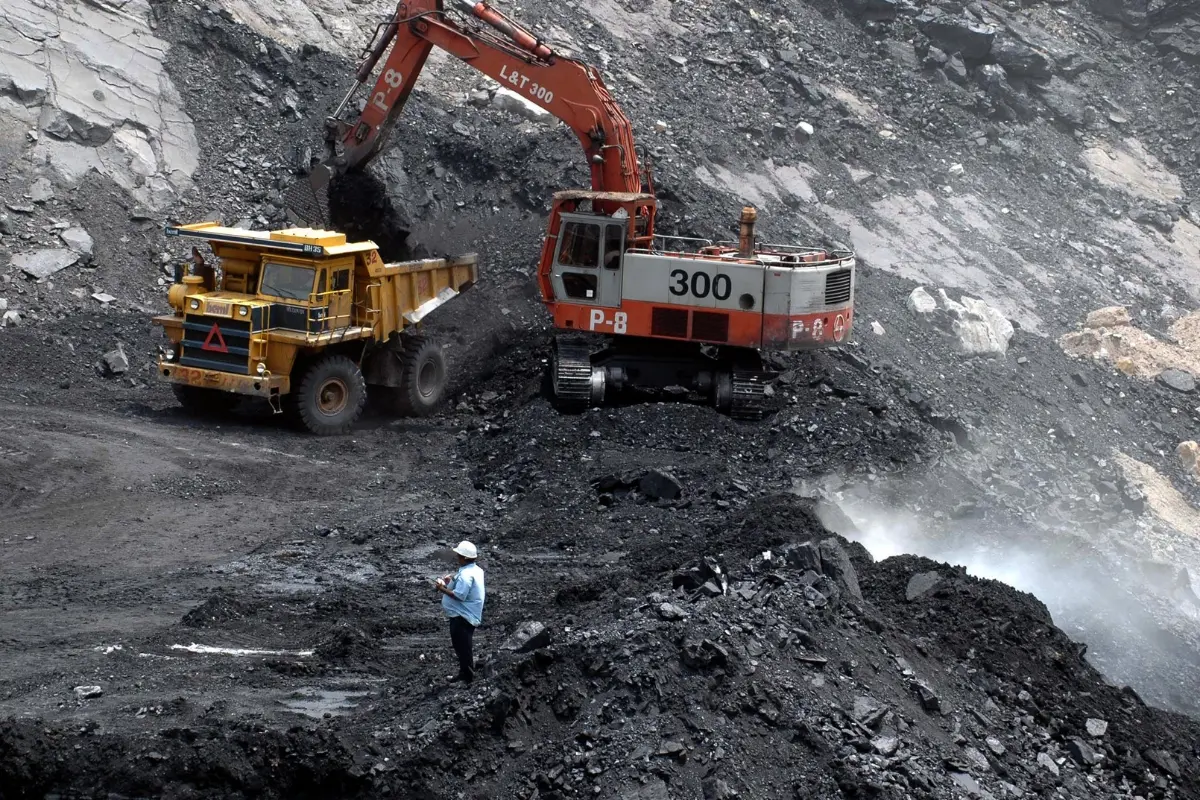
The ministry has also clarified rules relating to underground mine workers, stating that their work shifts should not exceed eight hours.
Mining remains one of the most physically demanding and hazardous sectors, and labour safety regulations have traditionally imposed stricter controls on work duration, fatigue management and rest intervals for underground workers.
Previous labour regulations and factory-related laws had clearly defined the need for breaks during shifts, particularly to reduce exhaustion, workplace accidents and health risks linked to prolonged continuous work.
The standard principle under earlier laws was that employees must receive periodic rest after a defined duration of uninterrupted labour. These provisions applied across multiple sectors including factories, industrial establishments and mines.
Concerns over omission in new labour codes
The issue has gained attention because the recently introduced labour codes did not explicitly mention some of the detailed rest-and-break structures that existed in earlier notifications and regulations.
This has led to concerns among labour groups and workers’ representatives that protections related to mandatory breaks and working conditions could become less clearly enforceable unless separately notified by the government.
The latest notification is therefore being seen as an attempt to reaffirm existing worker welfare safeguards amid the transition towards the new labour framework.
Why rest breaks are considered important
Labour experts and occupational safety authorities have long argued that continuous work without adequate breaks can reduce productivity, increase fatigue and raise the risk of workplace accidents.
Mandatory rest periods are particularly important in physically intensive industries such as mining, manufacturing and construction, where worker alertness directly impacts safety.
Break systems are also linked to broader employee welfare concerns including mental stress, hydration, heat exposure and long-term health outcomes.
The notification may renew discussions around how labour protections will be implemented under India’s new labour codes. Industry bodies, worker unions and policymakers are expected to continue debating the balance between labour flexibility and worker welfare protections.
For now, the ministry has reiterated that employers are expected to comply with mandatory rest and shift-related provisions already laid down through existing rules and notifications.