Nearly 99.32 lakh names deleted from Karnataka voter list; final electorate falls to 4.55 crore
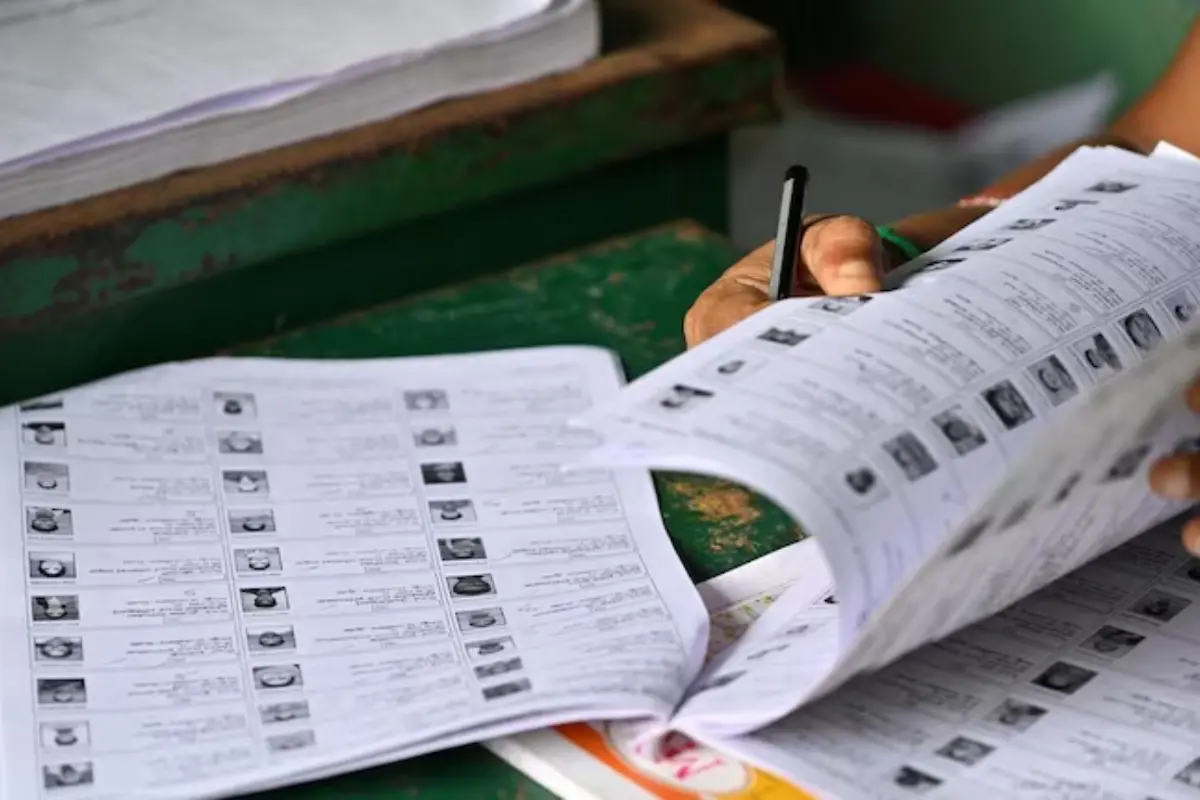
Bengaluru: Nearly one crore names have disappeared from Karnataka's electoral rolls following the Special Intensive Revision (SIR), with the final voter list published on Tuesday showing a sharp decline in the state's electorate from 5.54 crore to 4.55 crore.
The final electoral roll, released by the office of the Chief Electoral Officer (CEO) of Karnataka, lists 4,55,00,011 electors, down from 5,54,32,314 before the revision exercise began. The exercise removed 99.32 lakh names from the rolls.
The publication of the final list brings the revision process to a crucial stage, even as questions remain over the scale of the deletions and the number of voters who may need to seek re-enrolment.
The final electorate comprises over 2.25 crore male voters, 2.29 crore female voters and 2,841 third-gender electors.
The list also includes more than 6.83 lakh voters in the 18-19 age group and over 3.92 lakh electors aged above 85.
The CEO's website has made constituency-wise electoral rolls available. Voters can check the final list through the Election Commission's electoral roll portal.
Final roll adds 8.64 lakh names to draft list
The scale of the reduction becomes clearer when the final list is compared with the draft electoral roll. At the draft stage, the electorate fell from 5.54 crore to 4.46 crore after deleting more than 1.07 crore names.
The final list, however, records a net increase of 8.64 lakh electors over the draft roll. Despite this recovery, the state's final electorate remains almost one crore smaller than it was before the SIR exercise.
The revision aimed to ensure all eligible citizens were included in the electoral rolls and ineligible entries were removed.
However, the figures also highlight the challenges faced by voters whose names were struck off because enumerators could not locate them during the enumeration process.
Missing voters account for the largest share of deletions
During the draft-stage revision, officials removed 16.39 lakh names on the grounds that the electors were dead, while identifying more than seven lakh entries as duplicates. Another 3.83 lakh names were placed under the 'Others' category.
The CEO's office has not provided a detailed explanation of what the 'Others' category encompasses, beyond indicating that it includes individuals who refused to sign.
The largest group comprised 80.62 lakh electors whose names were deleted because they had shifted residence or could not be found at their registered addresses during enumeration.
Unlike deceased electors and duplicate entries, however, people who have moved or were unavailable during the enumeration process are not necessarily ineligible to vote.
Their absence from the rolls could therefore require further action to restore their electoral status.
Those seeking inclusion had to submit Form 6. The authorities received 7,87,534 applications for inclusion, including those from first-time and other new voters.
This number is substantially lower than the 80.62 lakh names removed under the shifted or untraceable category.
Questions over Form-7 deletion requests
The revision process has also drawn scrutiny over how objections to voter entries were submitted.
Election officials filed at least 61,059 Form-7 applications seeking to delete names from Karnataka's electoral rolls.
None of these applications reportedly specified a reason for the proposed deletion, despite the Registration of Electors Rules, 1960 requiring one.
Electoral Registration Officers (EROs) and Assistant Electoral Registration Officers (AEROs), named as objectors in the applications, said the forms were automatically generated with their digital signatures when officials could not contact voters during hearings linked to notices over mapping issues or logical discrepancies.
Election officials subsequently marked these voters as ineligible.
The process has raised concerns that election officials can initiate objections against electors while also determining their eligibility. Under the applicable rules, objections that do not follow the prescribed procedure, including the requirement to state a reason, may be rejected.
Supplementary lists to include eligible applicants
Publishing the final roll does not close the door on further additions. Applications submitted through Form 6 after September 23, the end of the claims and objections period, will be considered for supplementary lists. These lists are scheduled to be published quarterly following the SIR exercise.
Applications for inclusion submitted within the prescribed claims and objections window will be reflected in the final roll.
The Karnataka CEO's office has also announced plans for a fresh enrolment drive to bring genuine voters back onto the electoral rolls if their names were deleted during the revision.
With the final list now available, the next challenge is ensuring that eligible electors left out can complete the necessary formalities and regain their place on the voter list.