‘Tired of going to Supreme Court’: What Kapil Sibal said on voter roll row
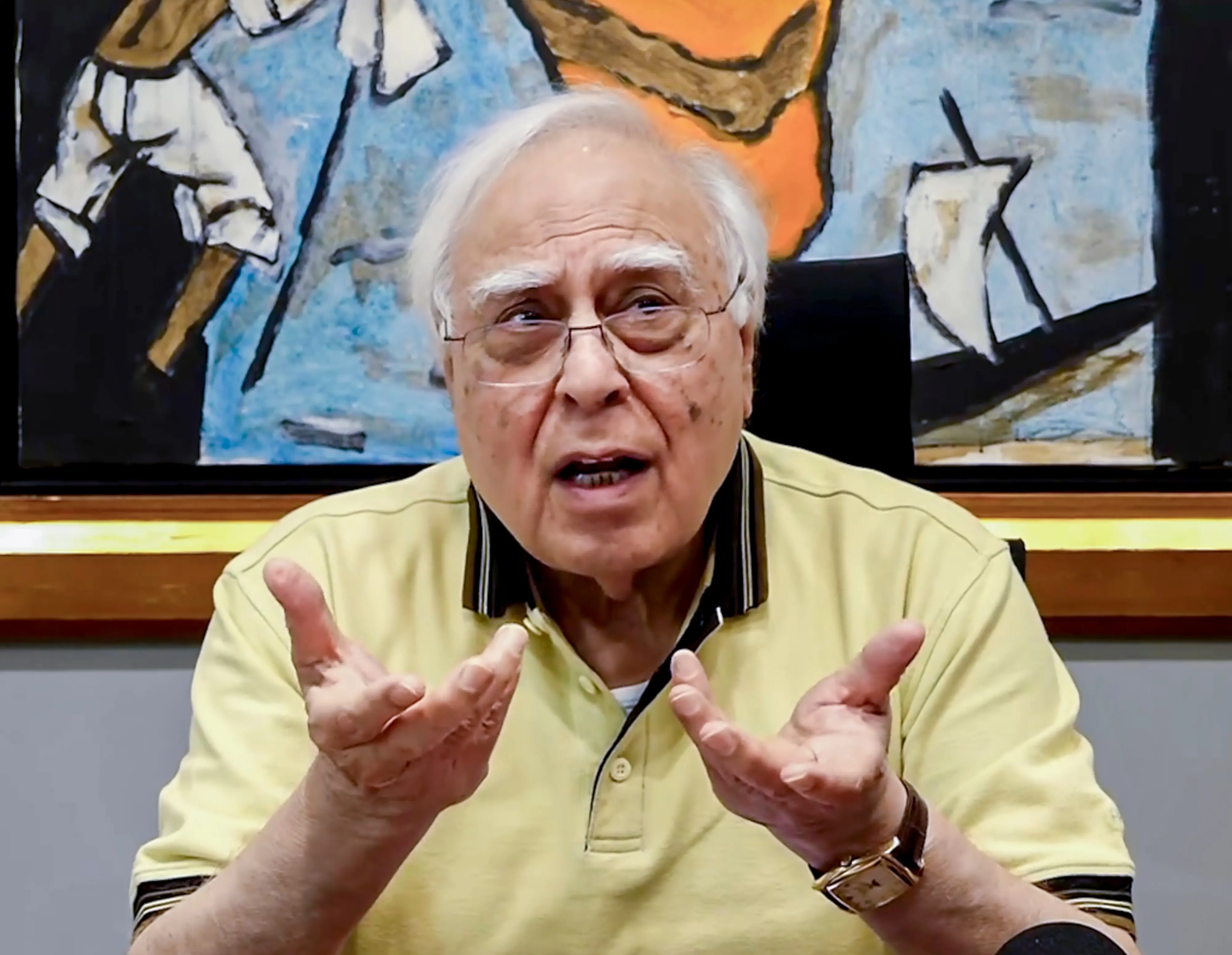
New Delhi: Senior advocate and Rajya Sabha MP Kapil Sibal has expressed frustration with the Supreme Court’s response to concerns over alleged wrongful deletions and additions to electoral rolls during the Special Intensive Revision (SIR).
Speaking at a press conference on Saturday, October 10, Sibal said he was tired of repeatedly approaching the court and had lost trust in the prospect of securing relief. He also criticised the restrictions and detentions imposed in Delhi ahead of the Cockroach Janta Party’s (CJP) planned protest demanding Chief Election Commissioner Gyanesh Kumar’s resignation.
‘I have lost trust in Supreme Court’: Kapil Sibal
Kapil Sibal questioned whether approaching the Supreme Court would bring relief in cases involving alleged electoral irregularities and restrictions on democratic protests.
“We go to the Court, but I don't know if we will get any relief,” Sibal said, adding that he was speaking for himself when he expressed doubts about approaching the judiciary.
“If anybody can save the Constitution in these times, it is the Supreme Court of India. But I am tired of keeping on going to the Supreme Court,” he said.
Sibal argued that concerns over the deletion and inclusion of names in electoral rolls had been raised before the court repeatedly, but he believed adequate relief had not been provided.
“We told the Supreme Court many times that the voters' names are being wrongly deleted and wrongly included, we argued for months,” he said.
Sibal cites voter appeals in West Bengal
Sibal referred to appellate tribunals in West Bengal dealing with challenges to electoral roll revisions. According to his remarks, the tribunals had found that 93% of voters covered by appeals decided so far had been wrongly removed.
He cited the figure to support his argument that concerns about the revision process warranted greater scrutiny and relief.
However, the 93% figure relates to the appeals referenced by Sibal and should not be interpreted as establishing that 93% of all voters affected by the SIR process were wrongly removed. The number of appeals decided, the total number of affected voters and the scope of the tribunal findings are important to understanding the figure.
Sibal also said the Supreme Court had been informed about the alleged irregularities through arguments over several months. He questioned why relief had not followed despite the concerns raised.
Questions over CJP protest restrictions in Delhi
Sibal also criticised the security measures imposed in Delhi ahead of the CJP-led protest scheduled for October 10 at Jantar Mantar. The demonstration was called to demand the resignation of Chief Election Commissioner Gyanesh Kumar over alleged electoral irregularities.
Questioning the scale of the restrictions, Sibal said the protest had been announced days in advance and asked who had been under threat.
He alleged that protesters were detained and taken to locations that were not immediately disclosed to their families. He also questioned the use of Section 163 of the Bharatiya Nagarik Suraksha Sanhita (BNSS) to impose restrictions, arguing that the measures were excessive.
The Delhi Police cited the absence of permission for the planned demonstration and imposed heightened security measures. The competing positions have raised questions about the limits of preventive policing and the right to peaceful assembly.
Supreme Court hearing over restrictions
Sibal had also raised concerns before the Supreme Court during an urgent mention on Friday, October 9, on behalf of CPI(M) general secretary M.A. Baby.
His submissions reportedly referred to restrictions affecting train arrivals, Metro station closures, internet services and hotel bookings ahead of the planned demonstration.
Following the hearing, the number of Metro stations ordered to close was reduced from 57 to 45, while restrictions on train arrivals remained in place, according to the report.
The court’s consideration of the restrictions and related legal challenges forms part of a wider dispute over the authorities’ handling of the protest. The legality of individual measures and the allegations made by petitioners remain subject to judicial scrutiny.
Why Sibal’s remarks matter
Sibal’s comments highlight a dispute over two connected issues: the handling of electoral roll revisions and the judiciary’s role in reviewing allegations of administrative overreach.
The SIR process involves revising electoral rolls, and disputes can arise over the inclusion or deletion of names. Appeals and tribunal decisions may provide evidence about individual cases, but the wider significance of those decisions depends on the number of cases examined, the grounds for restoration and the overall scale of the revision.
His criticism also raises questions about public confidence in judicial remedies. Sibal acknowledged the Supreme Court’s constitutional importance while expressing personal frustration over what he described as a lack of relief. His remarks represent his assessment of the court’s response and should not be treated as a judicial finding that the court failed in its constitutional duties.
The Delhi protest controversy presents a separate but related question: how authorities should balance public order with the right to peaceful assembly. Preventive restrictions may be imposed under applicable law, but their scope and implementation can be challenged before the courts.
The outcome of the pending proceedings will be important in determining the legal position on the specific restrictions and detentions challenged by the petitioners. Until the court reaches conclusions on those issues, allegations of unlawful action must remain distinguished from established findings.