‘My heart yearns for justice, not vengeance’: Kamal Haasan on death sentence in Sathankulam case
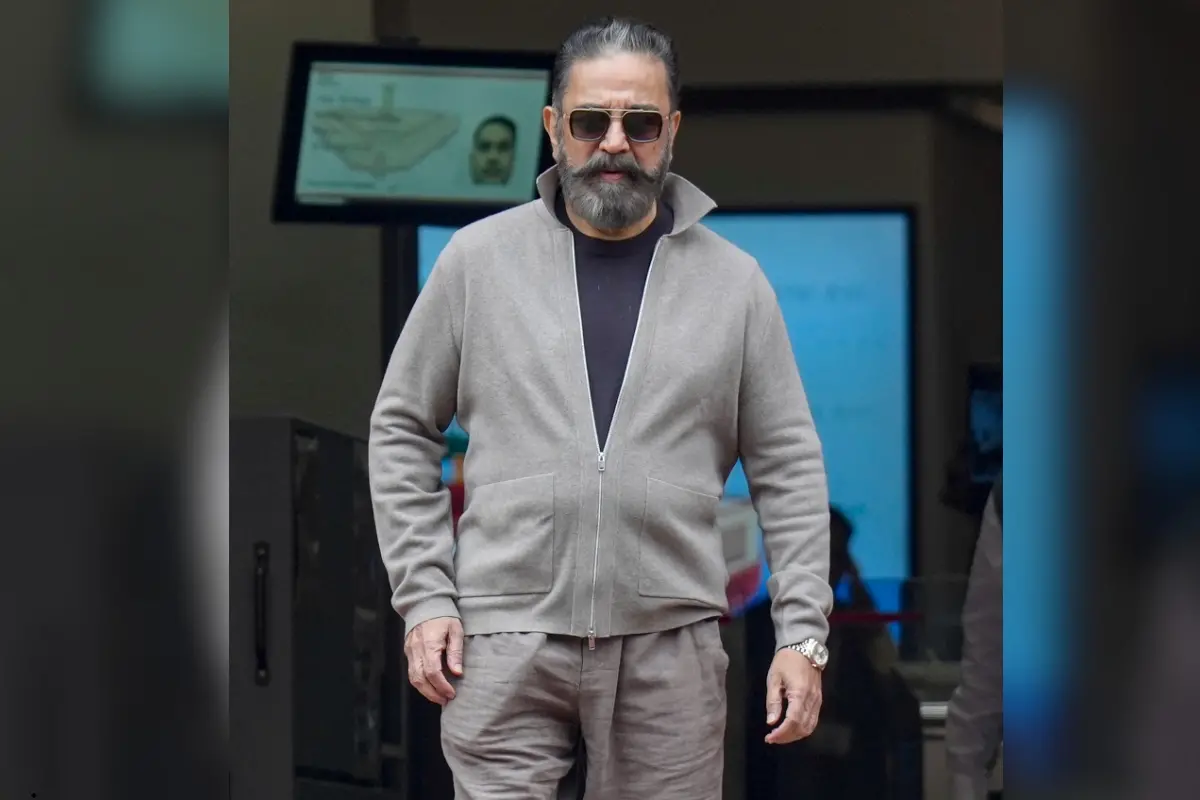
Chennai: Actor-politician Kamal Haasan has responded to the sentencing of nine policemen to death in the Sathankulam custodial death case involving P Jayaraj and his son Bennix.
He described the judgment as a reminder of the brutality faced by the victims and expressed concern over the abuse of power by those tasked with upholding the law.
While acknowledging the verdict, Kamal Haasan reiterated his long-standing stance against the death penalty. He stated that, in his view, individuals convicted of serious crimes should instead face life imprisonment without concessions and be subjected to rigorous punishment through lawful means. His remarks reflect a broader ideological position rather than a challenge to the court’s decision.
Kamal Haasan strongly criticised the custodial violence that led to the deaths of Jayaraj and Bennix, calling it an act that should not be associated with law enforcement authorities. He emphasised that the incident highlighted the need for accountability and stricter safeguards to prevent misuse of authority.
The case dates back to June 2020 in Sathankulam, Thoothukudi district, where Jayaraj and Bennix were arrested by local police during the COVID-19 lockdown period. Allegations of custodial torture followed, leading to their deaths days after judicial remand. The incident triggered widespread protests and public outrage, prompting a Central Bureau of Investigation (CBI) probe and subsequent legal proceedings against multiple police personnel. A special court has now sentenced nine policemen to death after examining the evidence presented.
Call for broader accountability
In his remarks, Kamal Haasan also raised concerns about accountability beyond the convicted policemen. He referred to alleged lapses by officials involved in the chain of events, including those accused of procedural negligence and attempts to suppress facts. He stressed that systemic failures must also be addressed to prevent recurrence of such incidents.
Kamal Haasan highlighted the impact of such cases on families on both sides, noting that the consequences of criminal actions extend beyond the individuals convicted. He pointed out that the families of those sentenced also endure significant emotional and social hardship.
Kamal Haasan’s response underscores both his support for accountability in custodial violence cases and his principled opposition to capital punishment. His statement reflects the broader debate around justice, proportional punishment, and systemic reforms in cases involving abuse of power.