She cleans homes at dawn, seeks votes by noon: BJP’s Kalita Maji in WB elections 2026
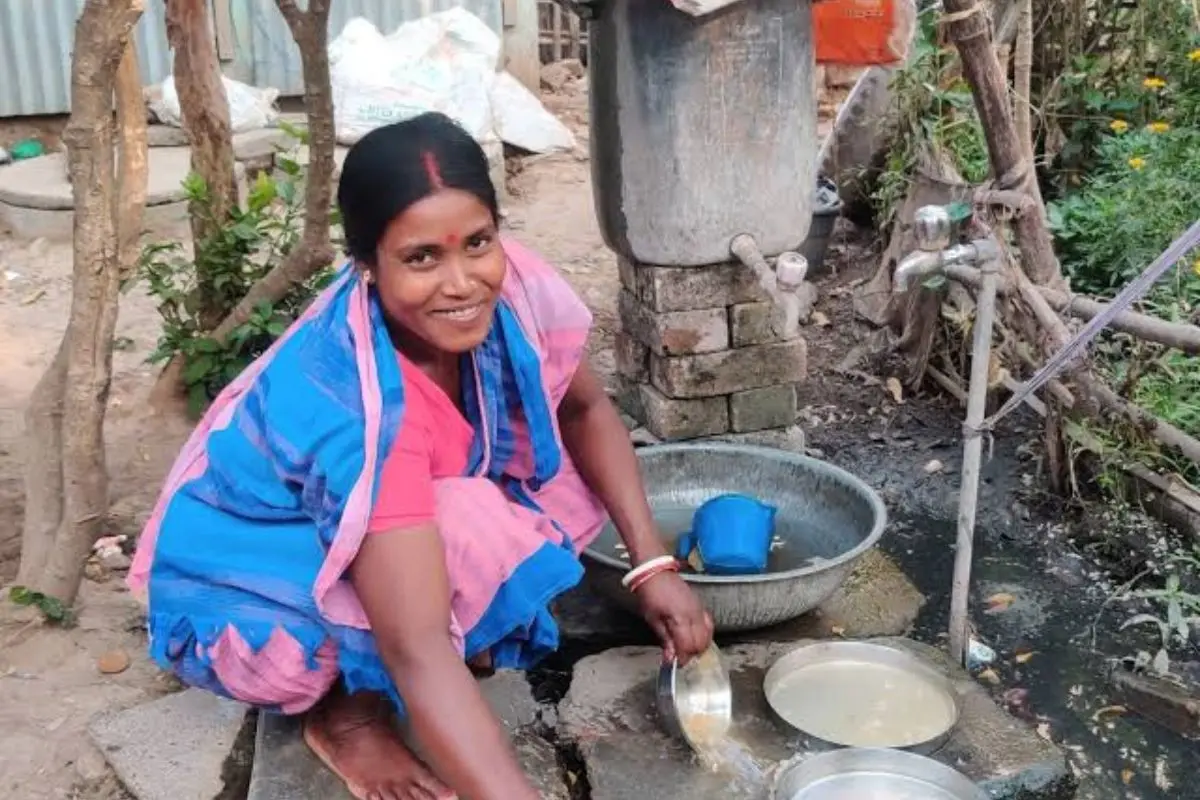
In the voter list, a small but crucial remark shadows Kalita Maji’s candidature, ‘Under adjudication’. Whether her name will ultimately remain on the electoral roll is still uncertain.
Yet, setting aside that ambiguity, the Bharatiya Janata Party’s nominee from the Aushgram Assembly constituency in Purba Bardhaman is steadily emerging as one of the most unusual faces in the electoral fray.
Kalita’s life is rooted in modest means. She earns between ₹3,500 and ₹4,000 a month, working as a domestic help. That remains her primary identity.
However, alongside it now stands another: an Assembly election candidate. After fielding her in 2021, the BJP has once again reposed faith in her, and Kalita has embraced the opportunity with striking confidence, asserting she is “100 per cent sure of victory.”
Her days begin early and remain tightly packed. At dawn, she completes household work in two homes. By midday, she transitions into campaign mode, travelling across villages in Aushgram, knocking on doors, speaking directly to residents, and listening closely to their concerns. It is through these simple, unfiltered conversations that she claims to be building support.
Back home, responsibilities have been redistributed. Her mother-in-law, husband, and other family members have stepped in to manage the household, enabling her to focus entirely on campaigning. “It is only because my family supports me that I can give so much time to the party,” she says.
Kalita’s political journey began in 2014 as a booth-level worker. Over the years, she steadily climbed the organisational ladder—taking on party responsibilities, serving as a town secretary, and later becoming part of the district committee.
Her candidature, she believes, reflects the party’s recognition of her commitment. “It is an acknowledgment of my faith in the party’s ideology and leadership,” she says.
The path, however, has not been without challenges. Kalita recounts facing threats and attacks on multiple occasions, though she insists these never shook her resolve or loyalty to the party.
Her contest also reflects a broader social struggle. Financial constraints remain a constant reality, especially in the face of election expenses.
Party workers, she says, are helping shoulder that burden, allowing her to remain focused on outreach. Even the uncertainty surrounding her own voting rights has not unsettled her. “The party will make arrangements,” she says with confidence.
In Aushgram, she faces Trinamool Congress candidate Shyama Prasanna Lohar as a key rival. Yet, Kalita appears unfazed by the contest. “This fight is easy for us. I will win,” she says, projecting quiet but firm assurance.
Her journey, from a woman in a low-income household to a candidate in a high-stakes Assembly election, blends personal struggle, political persistence, and belief in party ideology.
As the campaign intensifies, the key question remains whether voters in Aushgram will translate her story into electoral support.