Who is Justice Yashwant Varma, and why legal experts are calling for transparency in judiciary?
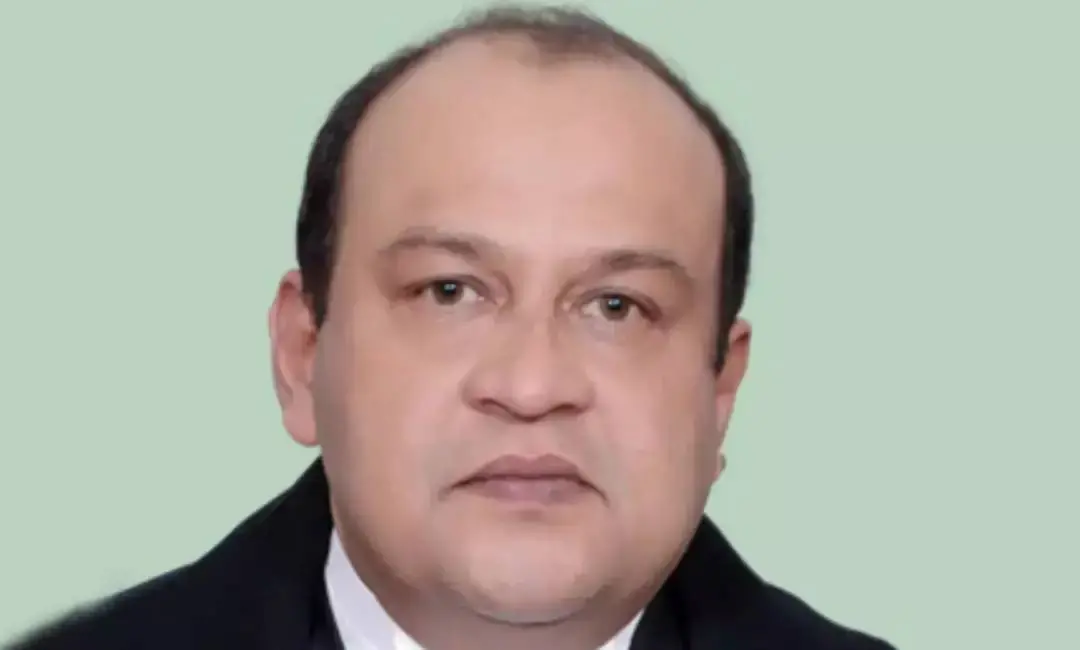
Justice Yashwant Varma, whose transfer from the Delhi High Court back to the Allahabad High Court was recommended by the Supreme Court Collegium, has had a distinguished legal career spanning several decades. However, the decision to shift him follows reports of unaccounted cash being found at his official residence, raising concerns about transparency and judicial accountability.
Born on January 6, 1969 in Allahabad, Justice Varma pursued a BCom (Honours) degree at Hansraj College, Delhi University, before obtaining his law degree from Rewa University in Madhya Pradesh. He began his legal career after enrolling as an advocate on August 8, 1992 and went on to establish a diverse practice at the Allahabad High Court, handling constitutional, corporate, labour, taxation and industrial law matters. He also served as Special Counsel for the Allahabad High Court from 2006 until his elevation to the bench.
He was appointed Additional Judge of the Allahabad High Court on October 13, 2014. He was later sworn in as a Permanent Judge on February 1, 2016 before being transferred to the Delhi High Court on October 11, 2021. Prior to his elevation, he also held the position of Chief Standing Counsel for the Uttar Pradesh government between 2012 and 2013, during which time he was designated as a Senior Advocate.
Justice Varma is the son of former Allahabad High Court judge A N Varma.
Calls for transparency and accountability in judiciary
The controversy surrounding Justice Varma has intensified demands for institutional reforms, with legal experts insisting on stronger mechanisms to uphold the credibility and integrity of the judiciary.
Senior advocate Indira Jaising has urged the collegium to "immediately disclose the exact amount of money recovered" to prevent speculation surrounding the case.
Meanwhile, Senior Advocate and Rajya Sabha MP Kapil Sibal emphasised the gravity of corruption within the judiciary, calling for urgent reforms in the judicial appointment process.
"The issue of corruption within the judiciary is a very serious one. This is not something that has been raised for the first time; it has been ongoing for years. It is time for the Supreme Court to review how appointments are made. The process should be more transparent and carefully conducted," Sibal stated.
He further criticised the current administration, saying, "Corruption is a very serious issue, and despite what PM Modi has said, it has only increased.”