Jharkhand Naxal leader Brijesh Ganjhu killed in Varanasi encounter, Rs 30 lakh bounty
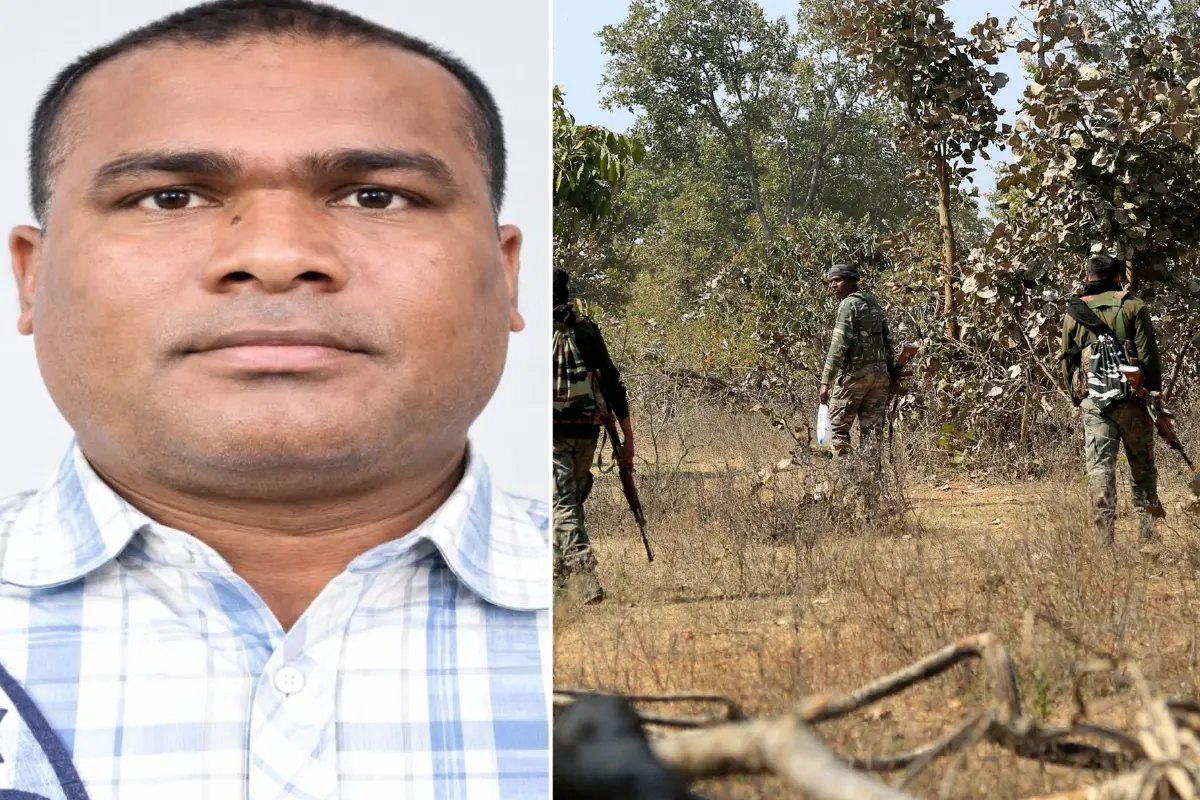
Varanasi: Senior Naxal leader Brijesh Ganjhu alias Gopal Singh Bhokta, chief of the banned Jharkhand-based Tritiya Prastuti Committee (TPC), was killed in an encounter with the Uttar Pradesh Anti-Terrorism Squad (ATS) in Varanasi early Sunday, police said.
He carried a combined reward of Rs 30 lakh and was wanted in several cases, including cases involving murder, extortion and offences under the Unlawful Activities (Prevention) Act (UAPA).
What happened in the Varanasi encounter?
According to UP ATS officials, Ganjhu was travelling on a motorcycle with an associate from Tengra Mor towards Mughalsarai through Ramnagar when police attempted to intercept him following information from an informer.
Police said Ganjhu allegedly got off the motorcycle and opened fire at the team. A gunfight followed, during which he was injured. He was taken to a hospital, where doctors declared him dead.
The encounter took place in the Lanka Maidan area under Ramnagar police station limits in Varanasi.
UP ATS Deputy SP Vipin Rai and Head Constable Nitendra Krishna were also involved in the exchange of fire. Police said bullets struck their bulletproof jackets, but both officers were unharmed.
Who was Brijesh Ganjhu?
Brijesh Ganjhu, also known as Gopal Singh Bhokta, was identified by police as a senior commander and chief of the banned Tritiya Prastuti Committee, or TPC, a Jharkhand-based outfit described by authorities as a splinter group of the Maoist movement.
He was from Lutu Sohavan village in Chatra district's Lawalong area of Jharkhand, according to police records supplied in the case.
Ganjhu was wanted by the National Investigation Agency in several cases. The Jharkhand government had announced a reward of Rs 25 lakh for information leading to his arrest, while the NIA had announced another Rs 5 lakh, taking the combined reward to Rs 30 lakh.
39 criminal cases on police records
Police said Ganjhu was named as an accused in 39 cases registered across several police stations in Jharkhand.
The cases listed by police included allegations relating to: murder and attempt to murder, kidnapping, extortion and criminal intimidation, criminal conspiracy, rioting and unlawful assembly, attacks on public servants, illegal possession or use of arms, explosives-related offences and damage to public property and offences under the UAPA and Criminal Law Amendment Act.
The cases were registered in areas including Simaria, Tandwa, Lawalong, Sadar, Piparwar, Pathalgadda, Mayurhand, Gidhaur, Hunterganj and Vashishthnagar, according to police records.
Some of the cases date back to 1996, with subsequent cases registered over the following decades. The charges listed in those cases are allegations recorded in police cases and should not be treated as convictions unless established by a court.
Why was he wanted by the NIA?
Ganjhu was also wanted by the NIA in cases connected with the banned organisation and alleged criminal activities. Police said the NIA's reward of Rs 5 lakh formed part of the total Rs 30 lakh bounty announced for information leading to his arrest.
His alleged activities included extortion and collection of funds associated with the TPC, according to police accounts. Reports also connect him with cases involving alleged terror funding and UAPA offences. These remain allegations contained in investigative and police records.
How did the operation unfold?
Police said the UP ATS had been tracking Ganjhu's movements and received information about his presence in Varanasi.
After the informer alert, the team reportedly set up an interception operation in the Ramnagar area. When officers attempted to stop the motorcycle, police alleged that Ganjhu opened fire.
The police then returned fire. Ganjhu sustained gunshot injuries and was taken to hospital, where he was declared dead.
The reported exchange also resulted in bullets hitting the protective equipment worn by two ATS personnel, without causing injuries.
What is the TPC?
The Tritiya Prastuti Committee (TPC) is a banned armed organisation based in Jharkhand. Police describe it as a splinter group associated with the broader Maoist movement.
The organisation has been linked by authorities to armed violence, extortion and other criminal activities in parts of Jharkhand. Ganjhu was identified by police as one of its senior commanders.
What happens next?
Police said senior officials were reaching the encounter site and that further legal formalities were underway.
As with any encounter resulting in a death, the circumstances described by police form the official account available at this stage. Further investigation, documentation and any applicable judicial or statutory review would determine how the incident is formally assessed.
The significance of the operation stems from Ganjhu's status as a senior TPC commander, his alleged involvement in a large number of criminal cases and the combined Rs 30 lakh reward announced by the Jharkhand government and NIA.
The encounter also illustrates the interstate nature of the investigation. Although Ganjhu was primarily wanted in connection with cases in Jharkhand, UP ATS tracked him after information about his presence in Varanasi and carried out the interception there.
The police record against him spans several decades and includes both ordinary criminal-law provisions and allegations under special laws such as the UAPA. However, the existence of an FIR or charge does not itself establish guilt; those allegations would require judicial determination.