Coalition politics and the Waqf Bill: TDP, JD(U) walk a tightrope
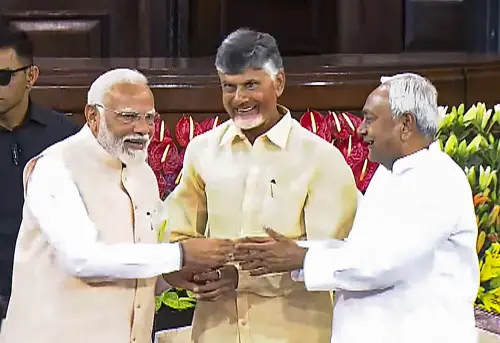
The votes of the Telugu Desam Party (TDP) and Janata Dal (United) (JD(U)) will be crucial for the BJP-led National Democratic Alliance (NDA) as it pushes to pass the Waqf (Amendment) Bill in Parliament on Wednesday. With the opposition INDIA bloc firmly against the proposed legislation, the BJP is relying on its allies to ensure a smooth passage. However, both TDP and JD(U) face a political dilemma—backing the bill could alienate their traditional Muslim voter base, while opposing it might strain their ties with the ruling coalition.
Bihar Chief Minister Nitish Kumar is treading cautiously, aware of the potential backlash ahead of the upcoming state assembly elections. JD(U) fears that if it supports the bill, the INDIA bloc, particularly RJD and Congress, could capitalize on the discontent within Bihar’s Muslim community, who have traditionally backed Nitish Kumar. While Kumar has praised his alliance with the BJP in recent months, he remains apprehensive about the long-term implications of endorsing a bill that many see as targeting Muslim institutions.
For TDP, the equation is slightly different. Andhra Pradesh Chief Minister N. Chandrababu Naidu has assured concerned groups that Waqf Board lands will be safeguarded in the state, signaling an attempt to maintain his party’s appeal among Muslim voters. His recent participation in an Iftar dinner further shows his efforts to retain the support of the minority community while staying firmly within the NDA fold. However, any deviation from the BJP’s stance on the bill could complicate his relationship with the ruling party at the center.
Political observers believe that both parties are caught in a balancing act—supporting the bill could secure their standing within the NDA, ensuring smoother governance and future political transitions, but it could also erode a key segment of their electorate. BJP leaders, meanwhile, are reportedly engaging in behind-the-scenes negotiations to ensure their allies fall in line when the vote takes place.
A senior BJP strategist remarked, “TDP and JD(U) know that a stable alliance with us is beneficial for their political ambitions. While they may hesitate publicly, we are confident they will back the bill when it matters.”