J&K assembly polls: NC's Abdul Majeed Bhat triumphs in Anantnag West by over 10,000 votes
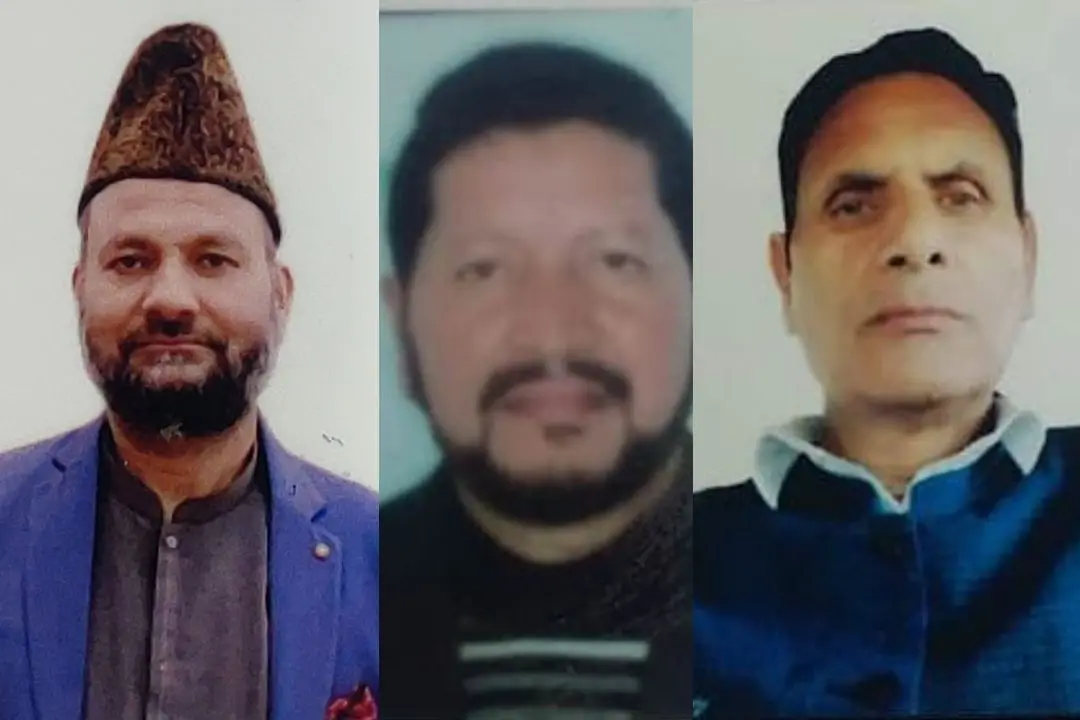
Abdul Majeed Bhat of the Jammu & Kashmir National Conference won the Anantnag West seat on Tuesday, defeating the Jammu & Kashmir Peoples Democratic Party's Abdul Gaffar Sofi by more than 10,435 votes, according to the Election Commission. Bhat secured 25,135 votes, while Sofi received 14,700 votes.
Electorate and Key Candidates in Anantnag West
Anantnag West featured a significant electorate of approximately 126,006 voters and witnessed fierce competition among candidates from multiple parties. The voting percentage stood at 48.73%. The primary contenders in this constituency included Abdul Majeed Bhat from the National Conference, Abdul Gaffar Sofi from the PDP, Bilal Ahmad Deva from the Democratic Progressive Azad Party (DPAP), and Mohd Rafiq Wani from the BJP.
Historical Context of the Contest
This constituency was notable not only for its size but also because none of the candidates had previously represented it, making the contest particularly unpredictable. Both Abdul Majeed Bhat and Abdul Gaffar Sofi were prominent leaders in the region who had faced off in the Hom Shali Bugh assembly segment in the past. In 2008, Majeed Bhat was the National Conference candidate but lost to Sofi by nearly 1,800 votes. However, in 2014, Bhat turned the tables and defeated Sofi by 1,269 votes.
Party Performance in Previous Elections
In the 2014 assembly elections, the PDP emerged as the single-largest party in the erstwhile state of Jammu and Kashmir, securing 28 out of 87 seats. The BJP followed closely as the second-largest party with 25 seats, while the National Conference and Congress managed only 15 and 12 seats, respectively.
Election Results
As per the latest Election Commission data, JKNC won 39 seats and led in 3, while Congress won 6 seats in Jammu and Kashmir. The BJP secured victory in 27 seats and led in 2. The Assembly elections in Jammu and Kashmir, held on September 18, September 25, and October 1, witnessed a 63.88% voter turnout, marking the first elections since the abrogation of Article 370. Major parties, including the Jammu and Kashmir National Conference and Congress as part of the INDIA alliance, contested the elections jointly, while the PDP and BJP fought independently.
Background of Jammu and Kashmir Assembly Elections
As the region had recently held assembly elections in phases on September 18, September 25, and October 1, this election marked the first since the abrogation of Article 370. The Election Commission of India reported a noteworthy voter turnout of 63.88% in these elections. In this election cycle, the Jammu and Kashmir National Conference and Congress contested jointly as partners in the INDIA alliance, while the People's Democratic Party (PDP) and Bharatiya Janata Party (BJP) opted to fight independently.