IRCTC ‘E-Pantry’: Which 25 trains now offer online meals?
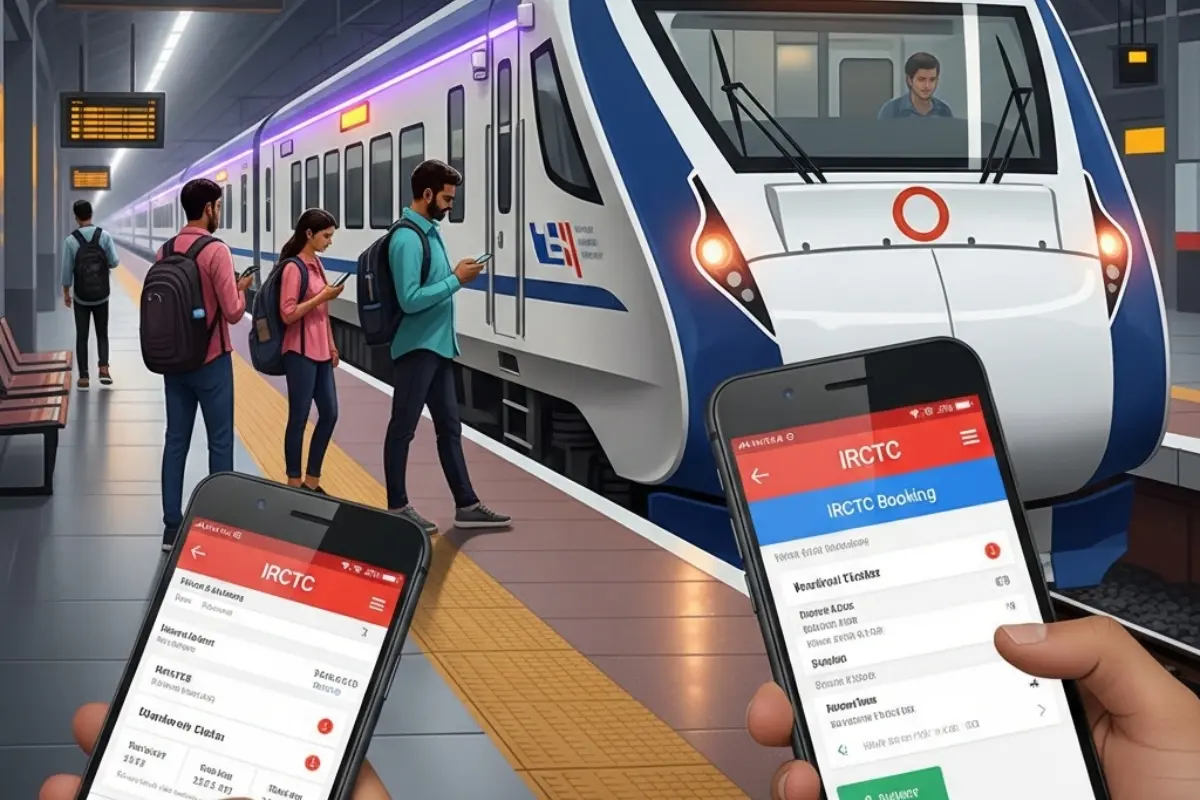
New Delhi: The Indian Railway Catering and Tourism Corporation (IRCTC) has introduced its E-Pantry service, enabling passengers to pre-book meals online on 25 Mail and Express trains across Indian Railways.
The rollout follows a pilot on the Vivek Express (Train Nos. 22503/04). The service is now available on major trains, including Swatantra Senani Express, Swarnajayanti Express, Karnataka Sampark Kranti Express, Mangladweep Express, Kalinga Utkal Express, Pushpak Express, Paschim Express, Netravati Express, Grand Trunk Express, Poorva Express, Lichchivi Express, Azad Hind Express, Malwa Express, Ahmedabad–Barauni Express and Purushottam Express.
How IRCTC E-Pantry online meal booking works
The E-Pantry system is integrated with the IRCTC ticketing platform. Passengers with confirmed, RAC, or partially confirmed tickets can pre-order standard meals and Rail Neer either while booking tickets or later through the ‘Booked Ticket History’ section.
After placing an order, passengers receive a confirmation along with a Meal Verification Code (MVC) via SMS or email. On the day of travel, the MVC must be shared with the vendor for the seat delivery of the pre-booked meal.
Also read | Amrit Bharat Scheme: Seven Kerala railway stations upgraded, open to passengers
Key features of the IRCTC E-Pantry service
The digital catering system offers:
- Advance online meal booking
- Cashless payment options
- Meal Verification Code-based delivery
- Refund facility for non-delivery
- Digital tracking for accountability
Also read | Advanced Amrit Bharat 3.0 train project delayed in design stage
IRCTC said the initiative aims to improve convenience and hygiene, particularly on trains where catering is not included in the ticket fare. The digital verification mechanism is intended to reduce service gaps and enhance transparency in onboard catering.
Officials indicated that the E-Pantry facility may be expanded to more trains based on passenger response and operational feasibility, as part of Indian Railways’ broader effort to modernise passenger services.