Can India cash in on yoga? Global billion-dollar industry holds untapped potential at home
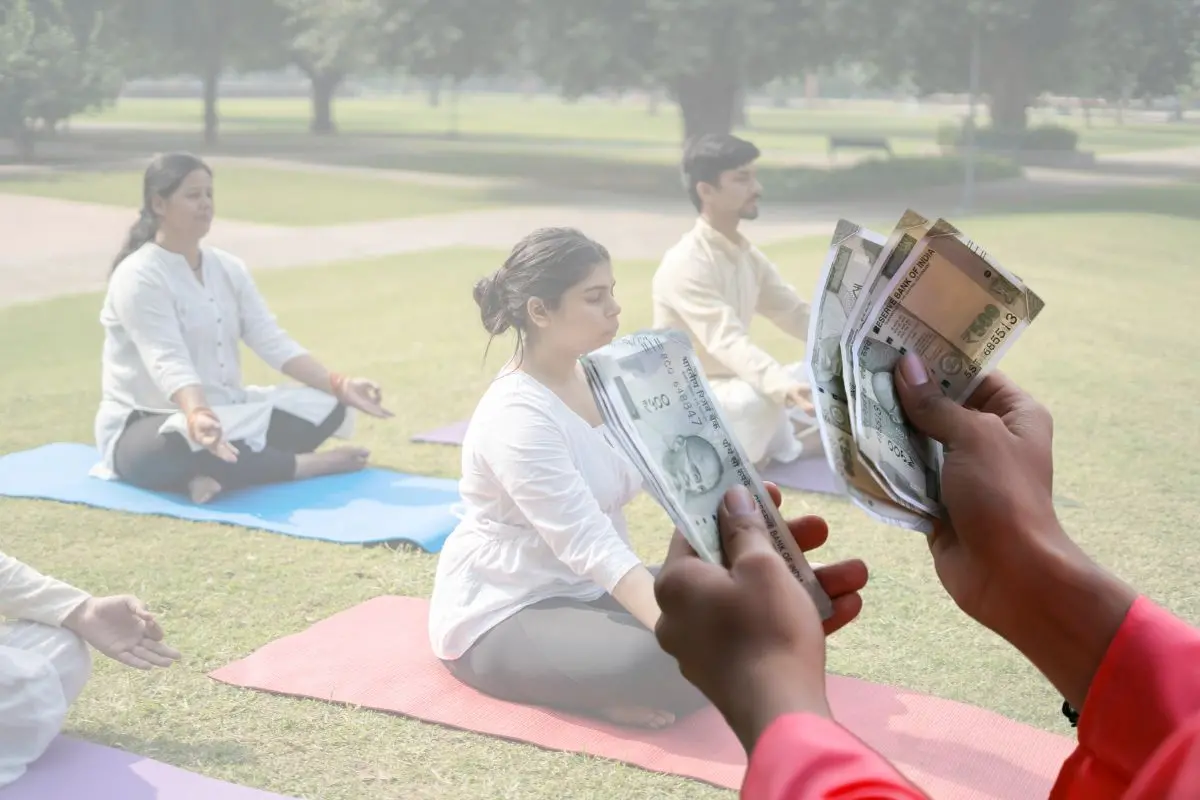
India is observing the 11th International Day of Yoga (IDY) on June 21 with events across the country. Introduced by Prime Minister Narendra Modi in 2015, the annual event aims to promote yoga’s physical, mental and spiritual benefits. But as the world celebrates the ancient Indian practice, a key question arises: while yoga’s roots lie in India, why does its global business bloom elsewhere?
What has the West done differently?
Yoga in the West has transformed from a wellness trend into a booming industry. From boutique studios in small towns to large yoga chains and fashion-forward apparel, the practice has evolved into a lifestyle — and a lucrative one. The global yoga industry is projected to be worth $215 billion by 2025. In the United States alone, yoga enthusiasts spend an average of Rs 52 lakh (USD 62,640) over their lifetime on classes, retreats, apparel and accessories.
Take the example of CorePower Yoga, the largest yoga studio chain in the US. With over 200 locations, 728,000 classes, and 9.6 million students in 2024, its growth has been nothing short of impressive. Led by CEO Niki Leondakis, CorePower blends mindfulness with high-intensity fitness, offering a modern take on traditional yoga. Its classes incorporate music, heated studios, and strength training—tapping into popular fitness trends while preserving yoga’s meditative core.
The brand’s success lies not just in its innovative class formats but in its community-focused approach. For many, especially post-pandemic, yoga offers more than fitness — it’s a source of mental clarity and resilience. CorePower has captured this emotional connection and turned it into a loyal customer base.
Lululemon: the yoga brand that outgrew yoga
Another global giant in the yoga business is Lululemon Athletica. What began in 1998 in Vancouver as a maker of yoga leggings has become a global sportswear brand competing with Nike and Adidas. Today, Lululemon operates over 700 stores worldwide and reported revenues of $8.1 billion in 2022 — a 30% jump from the previous year.
At the heart of Lululemon’s success is brand storytelling and community-driven marketing. Nikki Neuburger, its Chief Brand Officer and one of Forbes’ most influential CMOs of 2024, has steered the brand beyond yoga to encompass running, tennis, and even golf. Campaigns like “Live Like You Are Alive” focus on joy and mindful movement, resonating with younger, wellness-conscious audiences.
What Lululemon understood early was that yoga practitioners wanted more than mats and leggings — they wanted identity. Its high-quality yet stylish apparel became symbolic of a modern, health-conscious lifestyle. That lifestyle branding made Lululemon’s leggings popular even among non-yogis, blurring the line between activewear and everyday fashion.
Where does India stand in the global yoga economy?
Despite being the birthplace of yoga and the face of its spiritual legacy, India has yet to build a brand comparable to Lululemon or CorePower. While the government’s promotion of yoga through IDY has gained international visibility, the commercial aspect remains largely unexplored.
In India, yoga continues to be viewed as a pursuit for the retired or the health-conscious elite. Its branding remains traditional and often fails to attract younger, urban audiences who now seek wellness as a lifestyle. There is limited investment in yoga-based startups or innovation in merchandise design. Most Indian yoga studios are small-scale, lacking the global ambition or digital presence of their Western counterparts.
The untapped potential: lessons and opportunities
The gap is clear — while the West turned yoga into a lifestyle business, India focused on cultural preservation. But this need not be a binary choice. With the yoga industry booming globally, there’s room for India to enter the market with authenticity and innovation.
One promising path lies in merchandise. Yoga wear and accessories form a major chunk of the business. While Lululemon succeeded with synthetic leggings, India can differentiate by using organic, breathable fabrics like khadi. Light, airy and eco-friendly, khadi-based yoga clothing could appeal to the environmentally conscious global consumer. From mats to bolsters and jute bags, Indian-crafted yoga gear could bring both aesthetic and cultural value.
There’s also a growing demand for mental wellness and digital yoga platforms. With India’s strength in IT, companies could develop apps, virtual classes, and meditation tools tailored to global needs, mixing ancient techniques with modern formats.
Can India build the next Lululemon?
India doesn’t lack talent, tradition or market opportunity. What it lacks is a consolidated brand vision that aligns heritage with consumer demand. A yoga-inspired lifestyle brand — homegrown, sustainable, tech-savvy, and authentically Indian — could redefine how the world experiences yoga.
As the Modi government continues to project yoga as India’s gift to the world, the next logical step is to transform this cultural asset into economic strength. However, critics worry that excessive commercialisation may dilute yoga’s original purpose. They argue that while innovation is welcome, the essence of yoga — as a path to self-awareness and inner balance — must not be lost amid corporate branding and profit-driven models.
By balancing authenticity with enterprise, India has the opportunity to become not just the spiritual home of yoga, but also its ethical global headquarters.